Texas Built a New Rural Hospital. It Couldn’t Afford a Place to Deliver Babies
Olney, Texas, celebrates a $33 million hospital on November 7, but its new building has no maternity service after a costly redesign.
Get the week’s jobs, development, housing and growth stories from across the Sun Belt in one email.
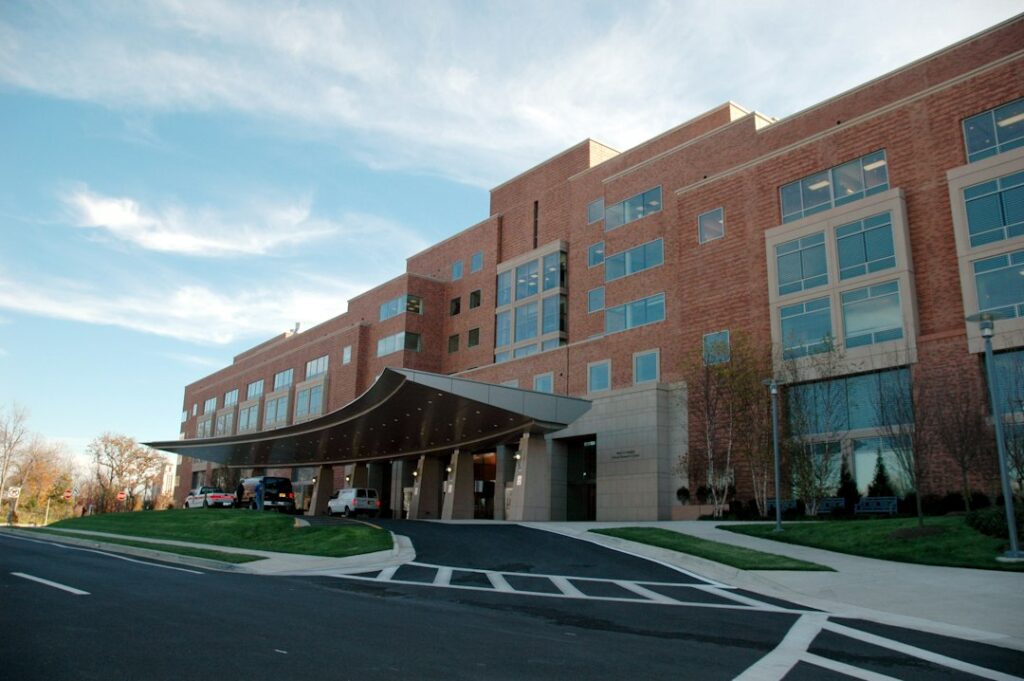
Olney, Texas, is celebrating a new hospital Saturday, November 7, but the $33 million facility will open without one of the services generations of local families once counted on: a place to deliver their babies.
The public ribbon-cutting for Olney Hamilton Hospital is scheduled for 10 a.m. The new 40,000-square-foot building replaces a facility with roots stretching back more than a century, offering modern space for emergency care, imaging, inpatient and outpatient treatment and surgery. The ceremony marks construction’s completion; the transition to patient operations is expected later.
For this town roughly 100 miles west of Fort Worth, the celebration follows a difficult decision. As construction estimates climbed and anticipated property-tax revenue weakened, hospital leaders cut a second operating room from the new building. That helped preserve the replacement project, but it also meant the hospital could no longer offer labor and delivery care.
How a new building came with fewer services
The hospital district originally expected new tax revenue from nearby wind farms to help pay for its replacement project. Voters approved a $27 million bond package in 2023. But the economics shifted before construction was complete.
Construction costs rose, and a Texas appeals court ruling changed how wind farms could be valued for property-tax purposes. The district faced a shortfall in the revenue it had counted on to pay back the bonds. An investigation by The Texas Tribune documented the financial pressure and the hospital board’s decision to remove the second operating room, a change projected to save $7 million.
The loss was consequential. Federal hospital requirements for a new facility offering maternity services call for operating-room capacity sufficient to handle an obstetric emergency while another surgery is underway. The revised Olney design could not meet the applicable two-operating-room requirement, even though the old hospital had delivered babies with one.
Olney Hamilton stopped delivering babies in June 2025, well before this weekend’s ribbon-cutting. The building was designed to allow a second operating room to be added if the board found a way to restore labor and delivery, The Texas Tribune reported in November 2025.
What longer drives mean for families
The loss matters in ways that are difficult to capture in a construction budget. Pregnant patients who once could deliver close to home now travel to hospitals in surrounding communities. Depending on their starting point and destination, those journeys can take half an hour to nearly an hour.
Rural maternity care requires staff and equipment to be available around the clock even when only a few babies are born in a month. Reimbursements may not cover those fixed costs. The financial burden is particularly difficult for small hospitals caring for patients covered by Medicaid or without adequate insurance.
Olney is part of a wider Texas pattern. A large share of the state’s rural hospitals no longer provide labor and delivery services. When a maternity unit closes, the effects extend beyond the delivery itself, complicating prenatal care, emergency access and decisions about where young families want to live.
Taxes rose even as maternity care ended
The financial changes were painful for local residents, too. The hospital district raised its property-tax rate in 2025, from 19 cents to 45 cents per $100 of taxable value, as it confronted the financing gap. The increased tax burden and the loss of maternity care became two sides of the same controversy: residents were being asked to pay more while a familiar service disappeared.
Hospital leaders had argued that abandoning the replacement building could place the entire institution’s future at risk. Their decision preserved a broad range of medical care in Olney, but it left families confronting a particularly visible limit to what the new investment could provide.
The new $33 million facility will replace Olney Hamilton’s existing hospital building.
A national rural-health dilemma
The contradiction extends beyond North Texas. Rural hospitals across the country face aging facilities, expensive equipment, staffing shortages and low patient volumes. A new building can improve safety and preserve emergency access, but it does not automatically make every medical specialty financially sustainable.
The unanswered question in Olney is whether the hospital can eventually restore deliveries. The new building leaves room for another operating room, but construction money alone would not solve the continuing cost of obstetric staff, anesthesia coverage, equipment and insurance.
Community Voice
A snapshot of reader views, not a scientific survey.
Explore Community Voice →About the Desk

Across the Sun Belt

Texas Cities See New Leverage on Housing, Transit and Local Control

North Texas Is Opening a Third Commercial Airport. Voters Rejected the Original Plan

A $950 Million Solar Factory Plan Could Turn a Texas Campus Into a Domestic Supply Hub

U.S. Approves $8.2 Billion Offshore LNG Port Near Texas; Investment Decision Expected in 2027

Texas Gas Prices Ease, but October Was Still a Costly Month for Drivers