An Hour to the High, and a Different Kind of Afternoon
A drive from North Atlanta leads to quiet photographs, surprising sculptures, colorful furniture and an unexpected conversation at the High Museum of Art.
Major local stories and useful updates, once a week.
The drive into Atlanta is not always the strongest argument for spending an afternoon there.
From our corner of North Atlanta, it takes about an hour to reach the High Museum of Art. Along the way, the city introduces itself through widening highways, overpasses and lanes that seem to require a decision just as you were hoping to stop making decisions. I have never found this approach particularly beautiful.
Then you reach Peachtree Street in Midtown, and the afternoon begins to improve.
Around the High, there is room to walk, architecture worth looking up at and people heading somewhere on foot. Having grown up in a much more urban environment, far from Georgia, I sometimes miss that feeling in the suburbs. A small injection of city life can do quite a lot.
We began downstairs.
“Photography as a Way of Life” brings together Minor White, Aaron Siskind and Harry Callahan, three photographers whose work helped expand the possibilities of the medium in the middle of the twentieth century. They shared an interest in abstraction and personal expression, finding subjects in things that might otherwise pass unnoticed.
It was a good place to arrive with some concentration still available. Much of the work is black and white, and these photographs reward a quieter kind of attention than a quick walk past the frame.
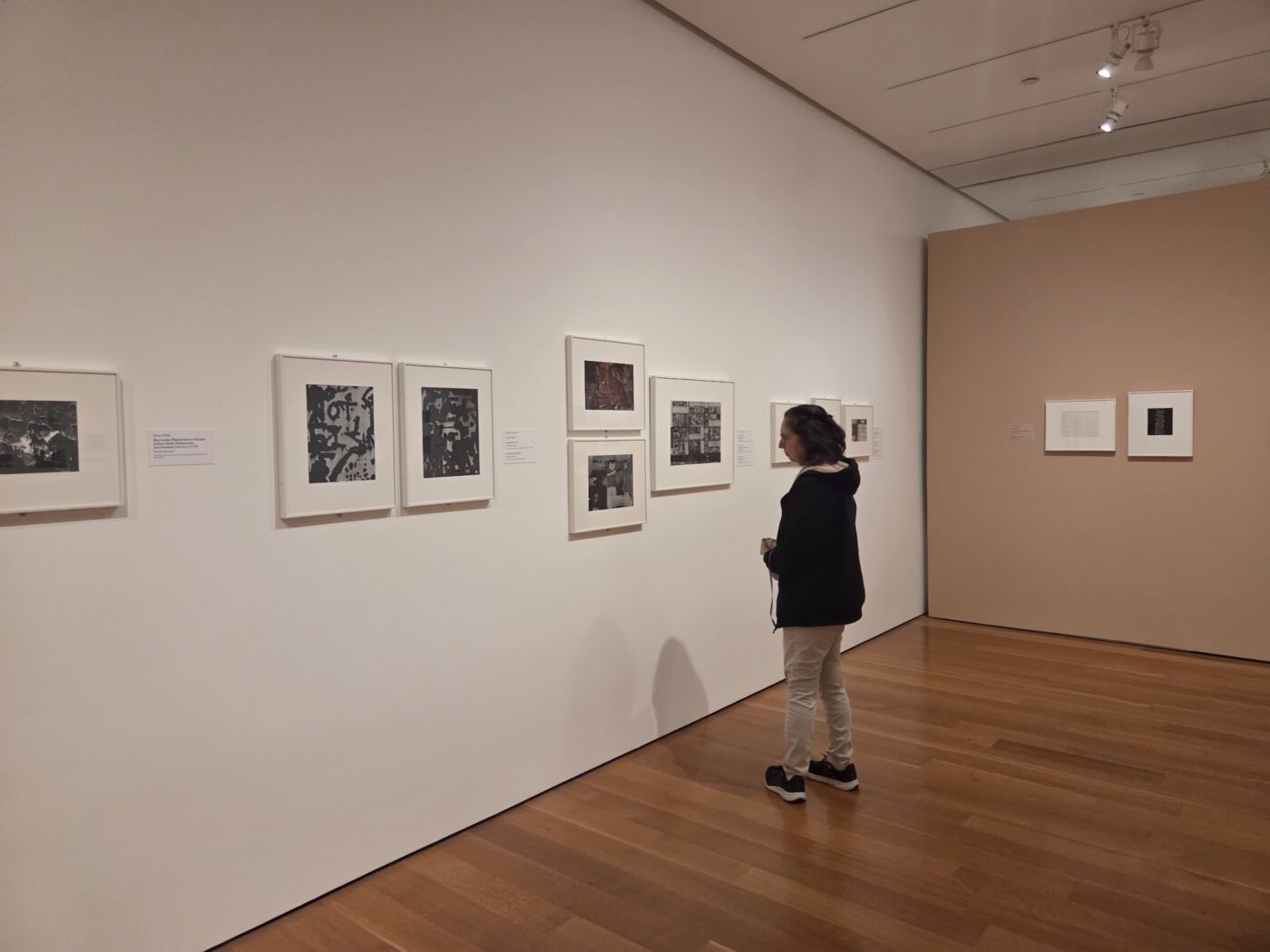
In Siskind’s Lady in Kitchen, a woman stands in a narrow domestic space crowded with the objects of daily life. The shelves, dishes and surfaces matter alongside the person. They give the photograph its density, the sense of a life occupying every available corner. There is nothing grand about the setting, but there is a great deal to look at.
Elsewhere, reproductions of Callahan’s small color slides sit on a light table with a magnifying glass. Looking through it changes the scale of the encounter. A tiny arrangement of color becomes something to explore. It is a particularly fitting way to experience an exhibition about attention: you have to move closer.
Nearby, “Paper Trees” offered another reason to slow down. Prints, drawings and sculptures explore the difficulty of giving a tree its particular character, from the structure of its branches to the texture of its trunk. For those of us surrounded by trees at home, there is something useful in seeing them treated with such sustained curiosity. Familiarity can make a thing almost disappear. Here, someone has spent a considerable amount of time looking.
Still, after the close looking downstairs, I felt a distinct relief when we moved up into the sculpture galleries.
There was more space around us. My eyes could travel farther. Instead of leaning toward a photograph, we could walk around an object and watch it change.
The sculptures were by Martin Puryear, whose exhibition “Nexus” spans decades of work. His forms can suggest tools, shelters, vessels or unfamiliar creatures without settling comfortably into any one of those categories. Wood, in particular, becomes capable of surprising things in his hands.
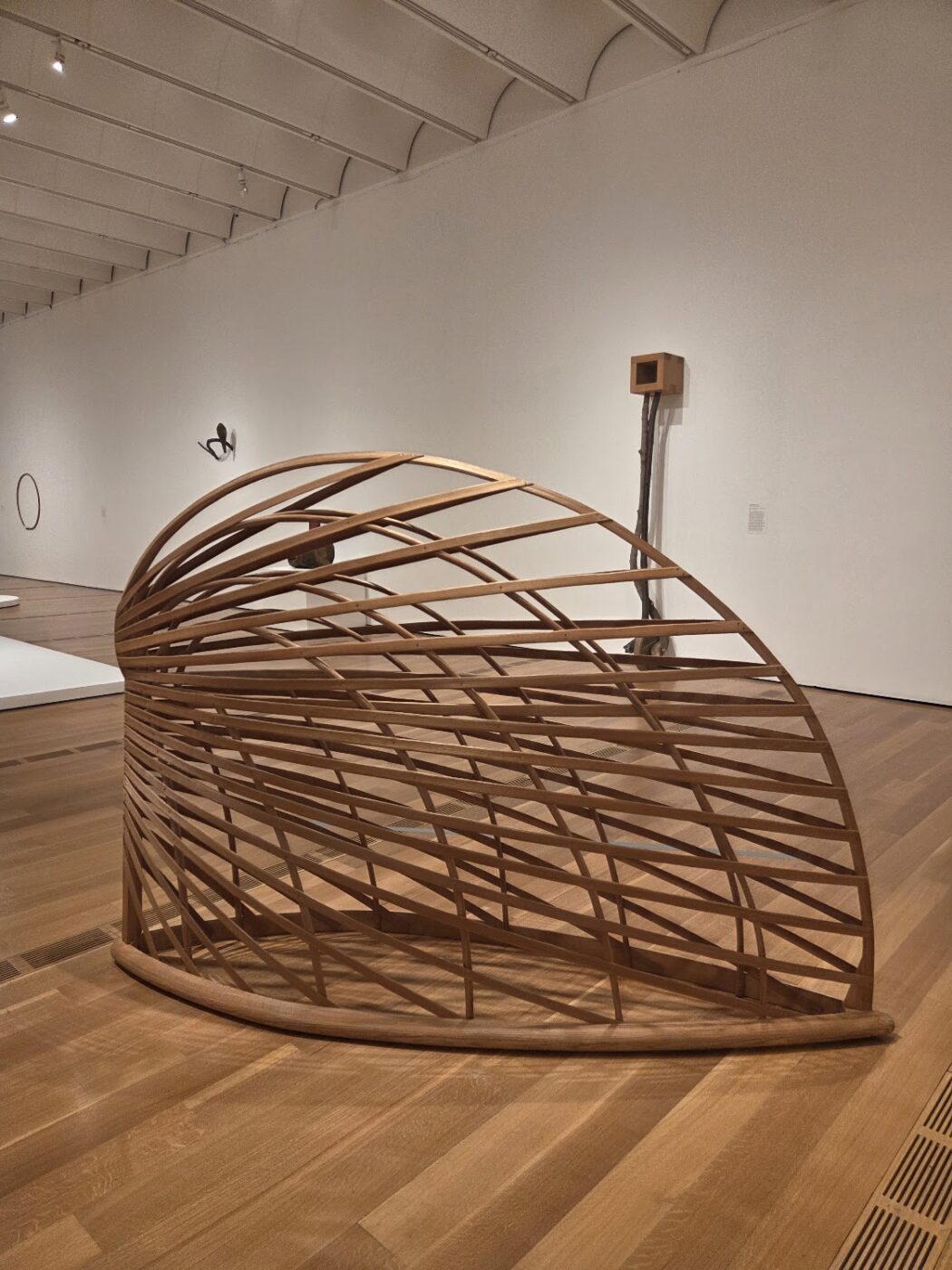
In Bower, curved wooden strips form an open, rounded enclosure. The gaps are as noticeable as the structure itself: you can see through it, follow its ribs and look at the room beyond. It has the suggestion of shelter without shutting the world out.
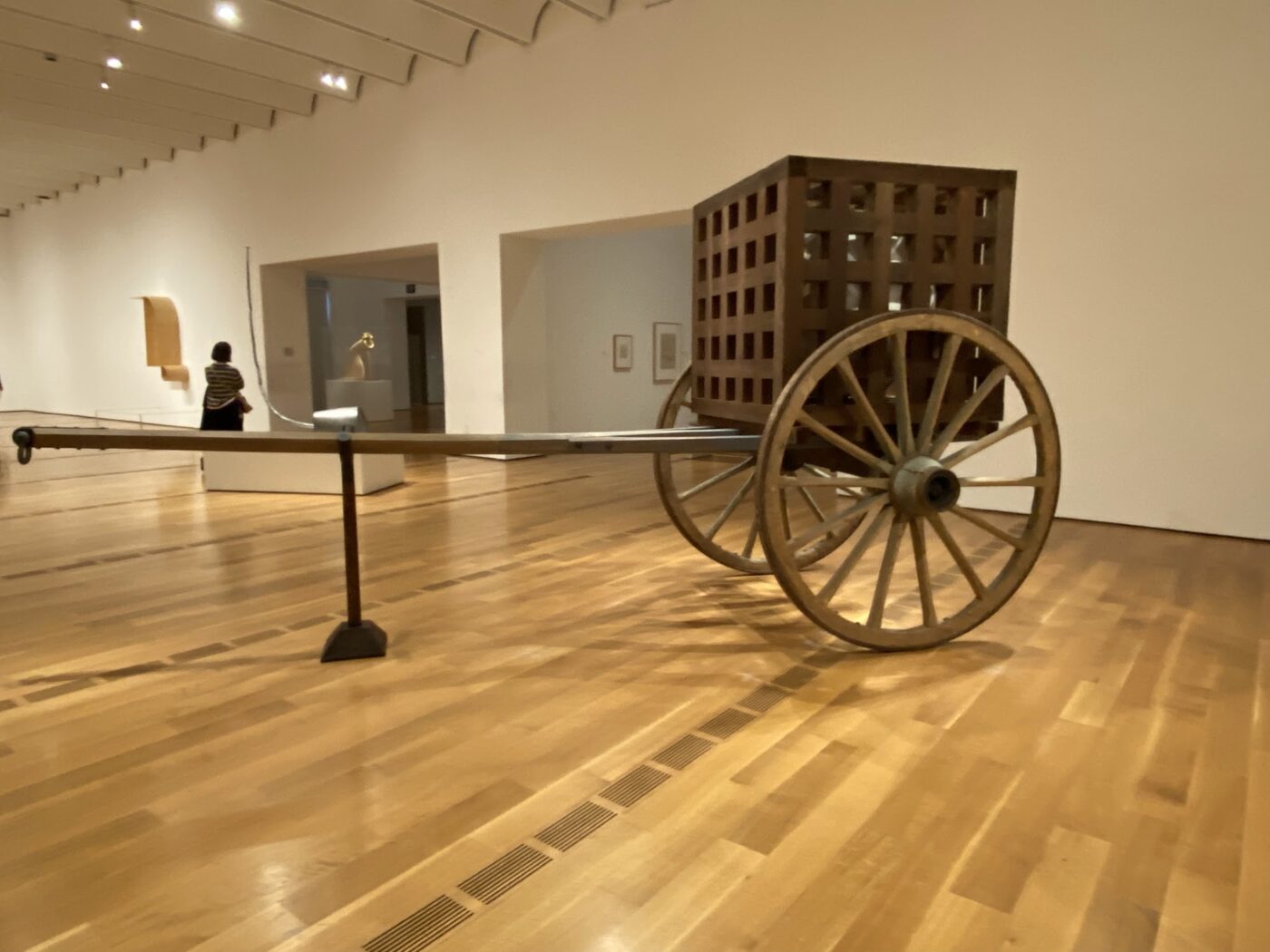
Then there is The Load, a wooden cart carrying a large, latticed box with an enormous eyelike sphere inside. Its wheels and long shafts suggest something made to be pulled, but the cargo makes that familiar arrangement strange. An object designed for carrying becomes an object concerned with looking. Stand before it, and the usual museum relationship becomes rather entertaining: you examine the sculpture while something inside appears equipped to examine you.
It was near this cart that I sat on a comfortable bench and met a woman who had come to Atlanta with her husband for a weekend of contra dancing.
They were visiting from the Chicago area, she told me. Dancing took them to gatherings in different states, and in February they planned to attend one in Andalusia, Spain.
Until that conversation, I had given very little thought to people organizing their travels around weekends of communal dancing. She spoke about it with the easy enthusiasm of someone describing a well-established pleasure. Atlanta had given them a good weekend, and they were fitting in the museum before their flight home.
We talked for a few minutes. Then she got up to rejoin her husband.
The encounter stayed with me. I had driven into the city to see what was on display, and a rest on a bench had introduced me to an entirely different way of spending a life’s free afternoons.
As we continued, the rooms grew more colorful, and so did my experience of the people around us. There were carefully chosen clothes, perfume, visitors looking together and others absorbed in their own discoveries. The people moving through the galleries became part of the pleasure of being there.
This was perhaps where I felt most at home.
A wall of black speakers was playing. Nadine Robinson’s Coronation Theme: Organon combines thirty loudspeaker cabinets in an arrangement loosely based on the façade of Atlanta’s Ebenezer Baptist Church. Its sounds include music, sermons, prayers and protest, drawing on the history of the 1963 civil rights demonstrations in Birmingham. The work gives sound a physical presence in the gallery, with a history considerably heavier than the increasingly buoyant mood of our afternoon.
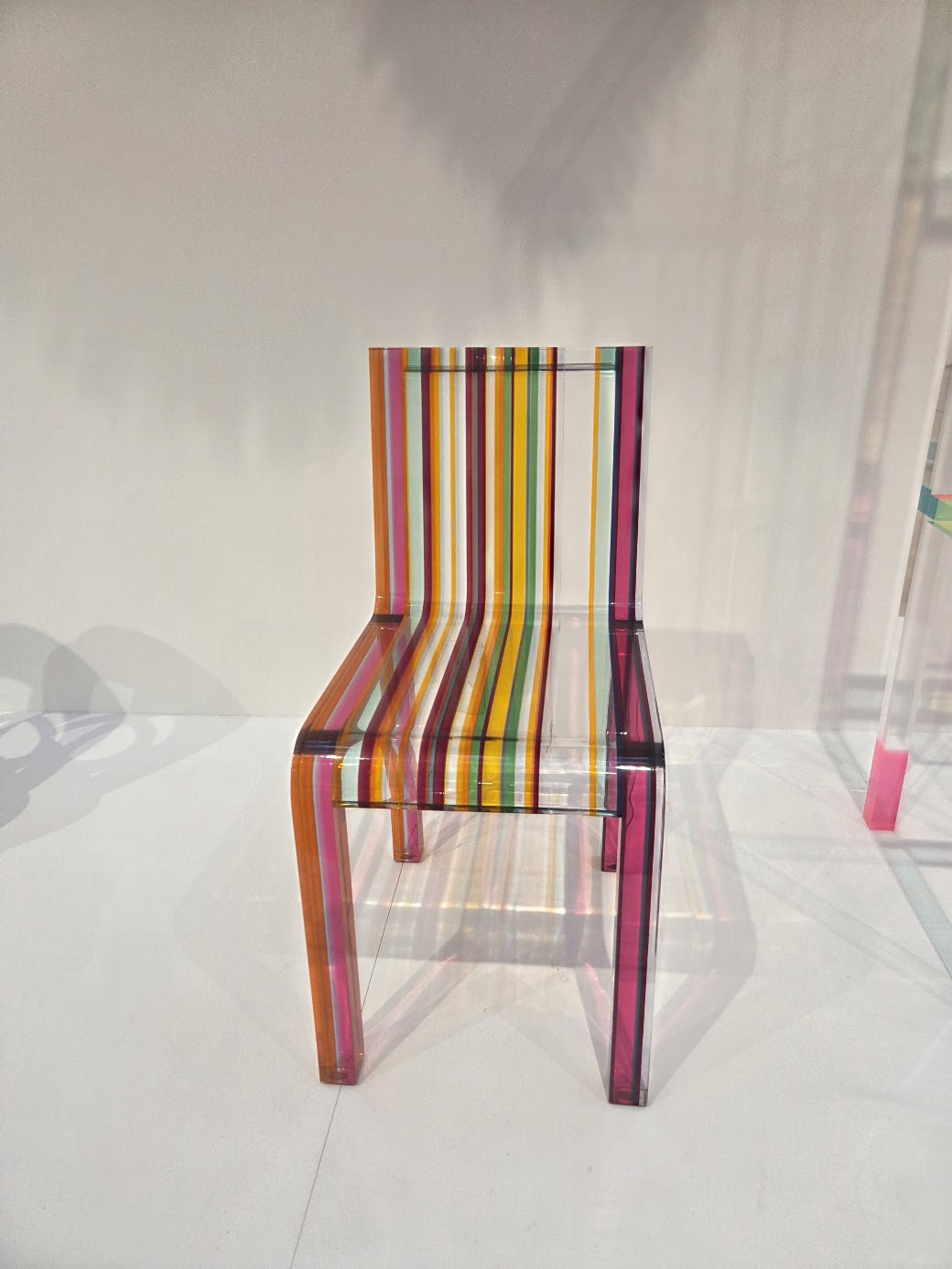
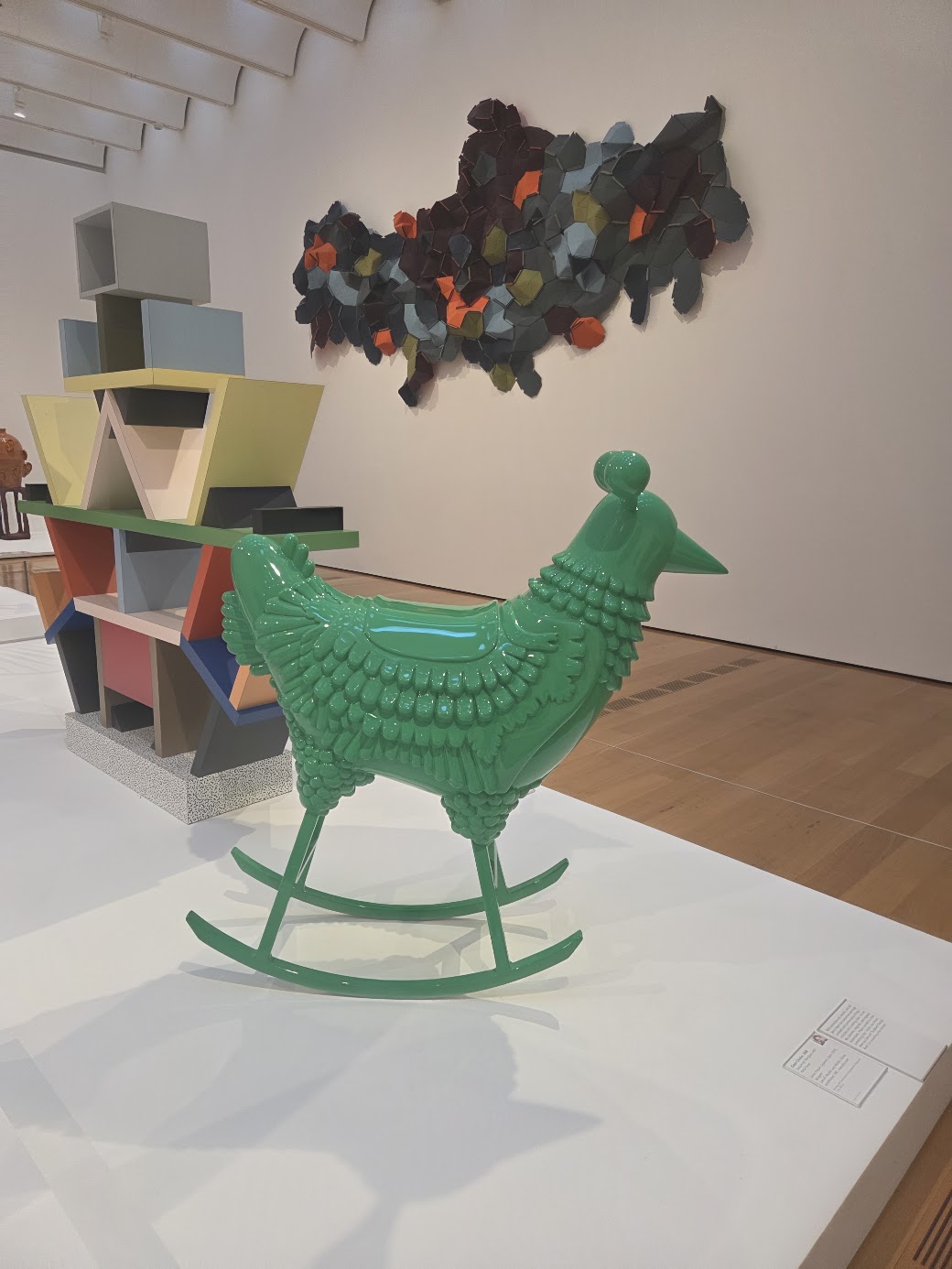
Nearby, Patrick Norguet’s Rainbow Chair is built from forty-four translucent strips of colored acrylic. Its familiar outline makes the colors all the more striking: a recognizable household object, remade so that looking at it becomes the main event.
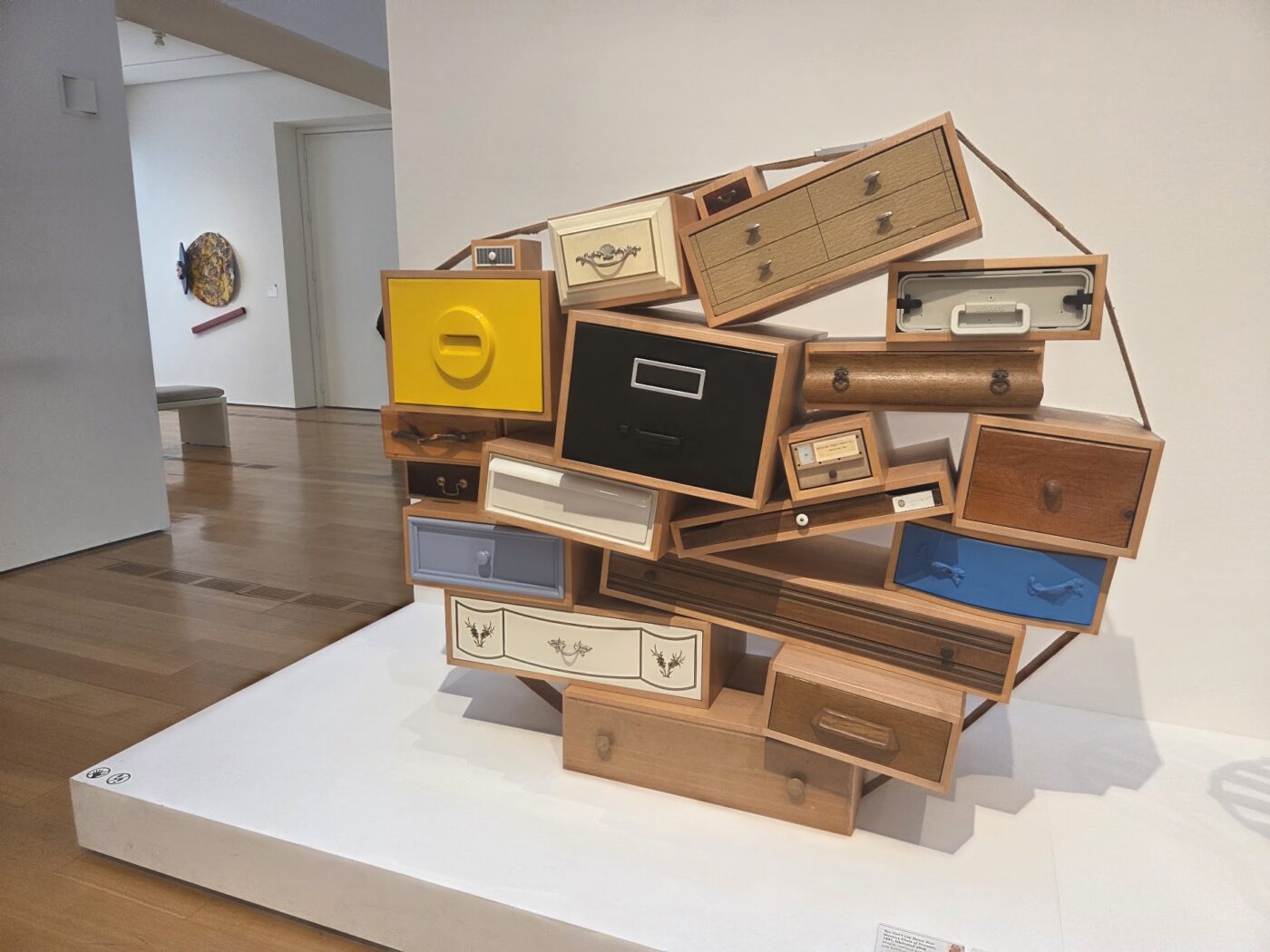
Tejo Remy’s You Can’t Lay Down Your Memory Chest of Drawers takes another route. Mismatched drawers jut out at different angles, gathered into a bundle that looks precarious but deliberate. For this version, made in 2008, the High invited submissions of old drawers, which Remy assembled at the museum. Pieces of ordinary furniture, carrying associations with different homes and owners, became something new together.
And then there was the green chicken.
Jaime Hayon’s Green Chicken combines a chicken with a rocking chair, rendered in bright green lacquered fiberglass. Its curved rockers give the bird an air of readiness, as though it might set off in an entirely impractical manner. After so much careful looking, it was a pleasure to encounter something that offered such immediate amusement.
By this point, I had lost precise track of our route. There were more paintings, another corridor, another view across the building. We tried to fit in some African art. When we reached “I SPY! Walter Wick’s Hidden Wonders,” with its miniature worlds and photographic puzzles, our time had run out. The museum was closing.
Two hours had passed almost without our noticing.
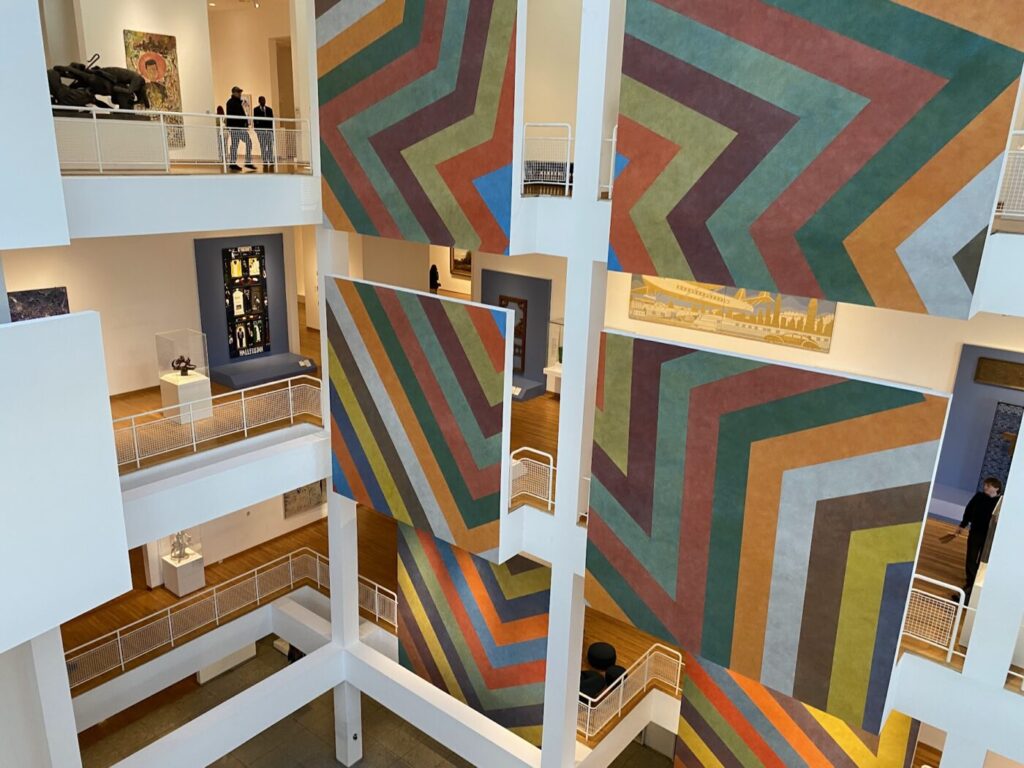
We followed the curving ramp downward, looking across the open interior. On the way out, the scale of the museum became especially apparent: all those levels and galleries, including the ones we had barely approached. We had spent an afternoon there and still had plenty of reasons to return.
Outside, Midtown continued around us. We stopped for tea and chocolate, then walked toward the car as scooters passed and people arrived for their evening plans.
There was another hour of driving ahead. But now we had things to talk about: a cart carrying an eye, a chair made of colored strips, a green chicken and a woman willing to cross an ocean for a weekend of dancing.
Community Voice
A snapshot of reader views, not a scientific survey.
Explore Community Voice →About the Author

In North Atlanta
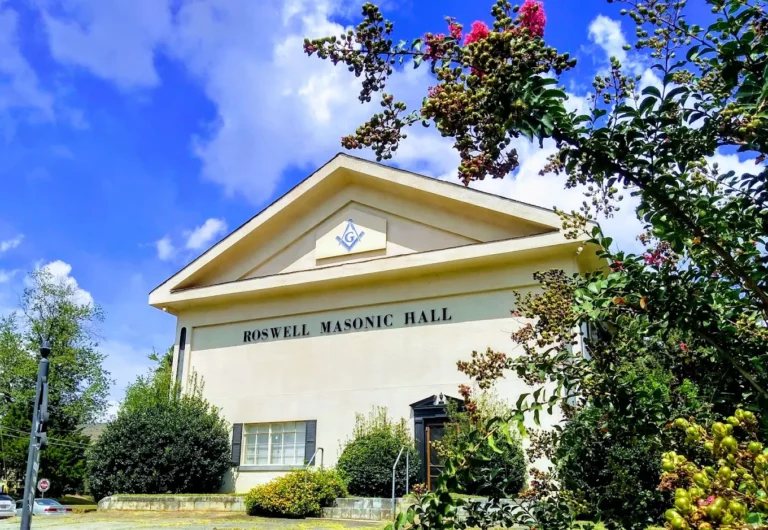
Roswell Opens Talks on Music Venue at Historic Masonic Lodge

Usher Saxophonist Mike Burton Plans Two Intimate Alpharetta Shows

South Forsyth Dance School Joins Prabhu Deva’s Atlanta Production

Atlanta Native Lexi Minetree Takes Over as Elle Woods in New Prime Video Series

Lambert Graduate Named One of Nation’s 20 Presidential Scholars in the Arts
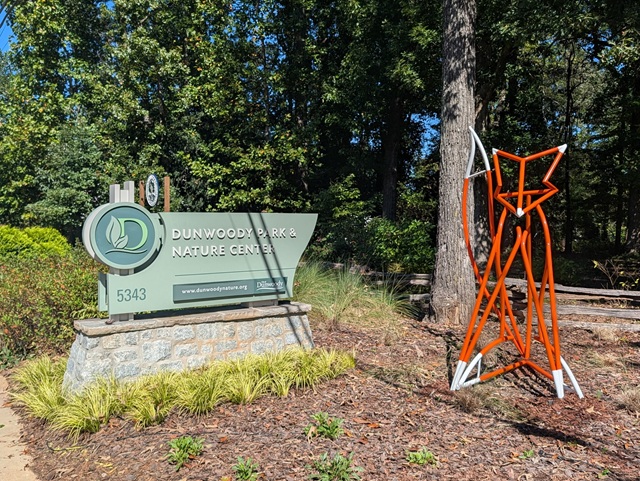
Woodland Sculptures Coming to Dunwoody Nature Center
IN NORTH ATLANTA