Raleigh Added Nearly 17,000 Homes. Inflation-Adjusted Rents Fell 15%.
Raleigh expanded its housing stock by 7.7% from 2021 to 2024. A new Pew analysis links its zoning changes to improved affordability for renters.
Get the week’s jobs, development, housing and growth stories from across the Sun Belt in one email.
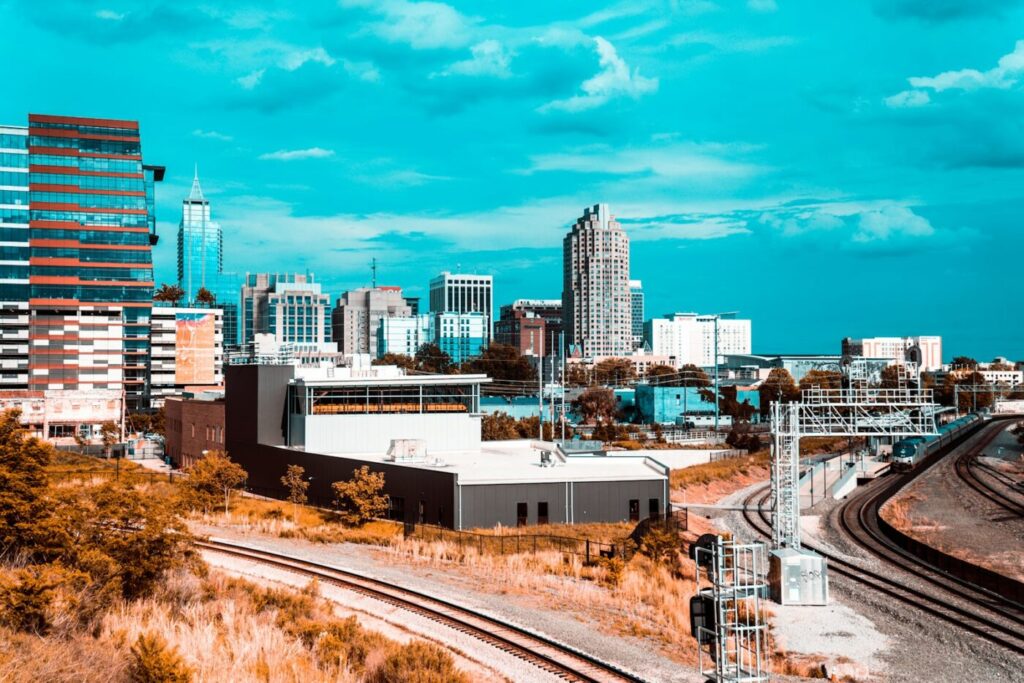
Raleigh added nearly 17,000 homes in four years, and its inflation-adjusted rents fell 15% between 2022 and 2025, according to a new analysis by The Pew Charitable Trusts.
The city’s housing expansion followed changes that opened more neighborhoods to townhouses, duplexes and apartments. Pew’s Nov. 16 analysis credits those reforms with helping ease housing costs as Raleigh continued to grow.
The city added 16,884 homes between 2021 and 2024, increasing its housing stock by 7.7%. Its population grew by about 31,000 people from 2022 to 2025.
For renters, the 15% figure measures the change after accounting for inflation. Pew found that a typical apartment required a household income equal to 65% of the area median in 2025, down from 79% in 2022. Older, less expensive apartment buildings had the largest rent decreases from 2023 to 2024.
Raleigh began broadening its neighborhood housing options in 2021. The changes allowed two-family homes in most residential zoning districts and expanded where townhouses could be built. Lot size, yards and building height became the main controls on development in most districts.
A second round, adopted in May 2022, allowed smaller lots for tiny houses, two-unit tiny homes and more housing near planned high-frequency transit. Most homes built under these changes are market-rate; specified transit-area development options carry affordability requirements.
The city also removed minimum vehicle-parking requirements in 2022, giving builders more flexibility over how much land to devote to parking.
The latest figures for the broader Raleigh-Durham apartment market show the building boom slowing. In the third quarter of 2026, average asking rent was $1,585 a month, down 0.4% from the previous quarter but up 0.9% over the year, according to Northmarq’s November market report.
Nearly 4,400 apartments had opened across that market through the third quarter, 54% fewer than during the same period last year. Vacancy fell to 7.4%, while about 9,400 apartments remained under construction.
Community Voice
A snapshot of reader views, not a scientific survey.
Explore Community Voice →About the Desk

Across the Sun Belt
Sun Belt Home Sellers Are Offering More Help to Close the Deal
Tesla’s $10.1 Billion Solar Factory Plan Could Bring Nearly 10,000 Jobs to Texas
Sun Belt Home Prices Are Softening, but Mortgage Rates Are Taking Back the Savings
Texas Cities Can No Longer Shut Out Manufactured Homes. Will It Make Housing Cheaper?
America’s Homeowners Have Never Been Richer. Some Recent Sun Belt Buyers Are Underwater