Audi’s Georgia factory could grow to $7 billion, with 7,500 jobs
A possible second phase could add $3 billion and 3,000 jobs to Audi’s planned Peach County factory. Final approvals and the full public incentive cost remain unresolved.
Major local stories and useful updates, once a week.
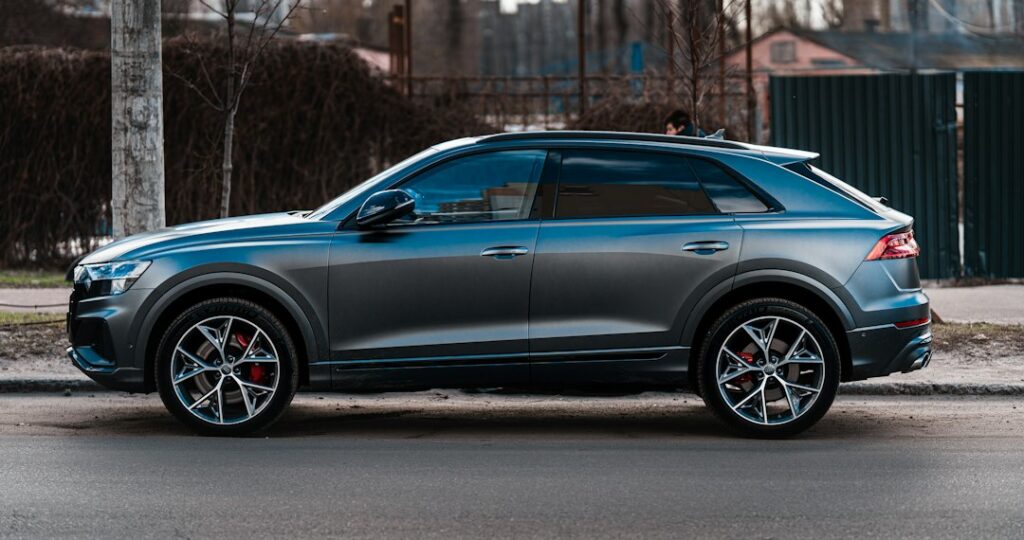
Audi’s planned factory in Middle Georgia could eventually grow well beyond the $4 billion project announced last month, with a possible expansion adding another $3 billion and 3,000 jobs.
The larger investment remains an option. The Atlanta Journal-Constitution reported Nov. 2 that agreements offered to the German automaker include a potential second phase, which would bring the combined investment to $7 billion and employment to 7,500 if both phases are completed.
For Georgia, the proposal carries two substantial numbers: thousands of promised jobs and a public incentive package that could exceed $1 billion for the initial factory alone. Final approvals remain outstanding, and the full cost of the agreement has not been settled publicly.
Audi has announced plans to invest approximately $4 billion and create 4,500 jobs at the Middle Georgia Megasite in Peach County, near Fort Valley. The roughly 1,500-acre property lies about five miles west of Interstate 75, in a region served by Macon and Warner Robins.
The factory would build premium SUVs for North American buyers, with capacity for as many as 200,000 vehicles annually. Georgia’s timetable calls for grading in 2027, factory construction in 2028 and full production in 2031. Audi describes the production start more broadly as the early 2030s.
The AJC obtained the proposed agreements from the Mid-Georgia Gateway Joint Development Authority, which represents Peach, Houston and Macon-Bibb counties. Its reporting identified at least $958.4 million in incentives and public improvements associated with the first phase. Additional state tax credits could push the total considerably higher.
That figure covers several kinds of support, rather than a single payment to Audi: property tax reductions, road and utility work, site preparation, grants and workforce training.
The largest identified component is approximately $458.6 million in property tax savings over 20 years. Georgia also proposed a dedicated training center costing $73.5 million, along with funding for training services and its initial operation, the AJC reported.
In return, the first phase carries a commitment to jobs paying an average of more than $63,000 a year. At full employment, the projected annual payroll would be roughly $283 million. An average wage, however, does not establish what an individual production, maintenance or office position would pay.
Local governments would also receive payments from Audi under an arrangement replacing part of the property taxes otherwise due. The proposed first-phase payments total about $295 million over 20 years, with the largest share going to Peach County.
The agreements contain repayment provisions if Audi falls short of specified investment or employment thresholds. The AJC reported that the company must meet 80% of its investment and job commitments to retain the full value of its incentives.
There are still steps between the announcement and a completed deal. The copies obtained by the AJC were unsigned. The development authority told the newspaper that local parties had signed and that the terms were unchanged, but finalization remained subject to approval by Georgia and Audi of America. State economic development officials also said Audi was completing its corporate approval process.
Audi’s reasons for pursuing a U.S. factory extend beyond the Georgia incentive package. In an Oct. 26 statement, the company said its American business was not profitable and that domestic production would help it compete while reducing trade and currency risks.
For prospective workers, the immediate announcement is a construction and training timetable, with factory employment expected to develop over several years. Georgia Quick Start plans to work with Audi on customized instruction and a dedicated training facility, with technical college campuses helping prepare workers while that facility is built.
The additional 3,000 jobs depend on a later decision. Under the terms described by the AJC, Audi would have until the end of 2033 to exercise the expansion option. After that, the terms would have to be renegotiated.
Community Voice
A snapshot of reader views, not a scientific survey.
Explore Community Voice →About the Author

In North Atlanta
North Atlanta Is Hiring: The Local Jobs Open Right Now

The Suburban Economy Is Changing — and Nurses and Truck Drivers Are Winning
Sugar Hill Is Hiring for Mapping and Creative Media Roles

Volkswagen Recalls More Than 208,000 SUVs Over Steering Failure Risk

Siemens starts staffing Pendergrass factory projected to employ about 1,700
Suwanee Factory Promised 300 Jobs. The Hiring Is Now Taking Shape
IN NORTH ATLANTA