Halloween Falls on Saturday. Then the Clocks Turn Back Sunday
Halloween arrives on a Saturday, providing a full weekend for festivities. Sunday morning clocks fall back one hour as daylight saving time ends, changing evening light and travel conditions.
Major local stories and useful updates, once a week.
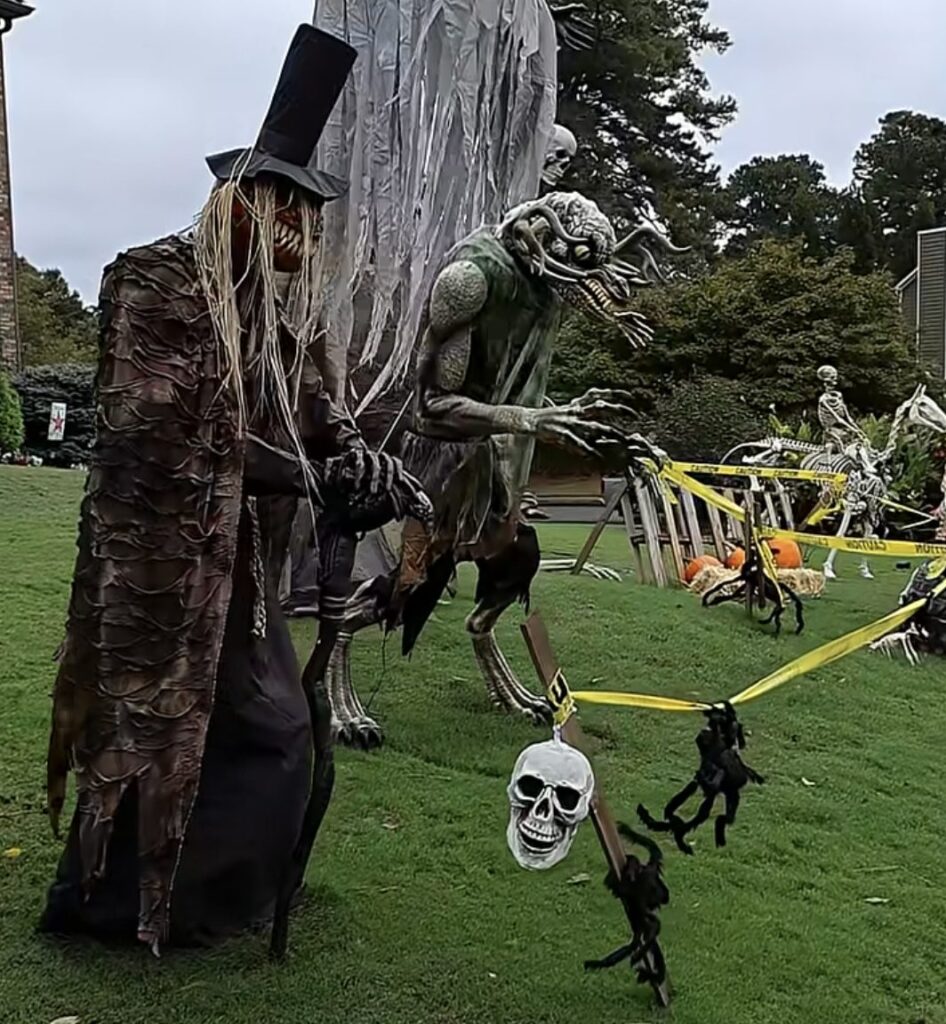
Halloween arrives on a Saturday this year, giving families a full weekend for costumes and parties. The following morning brings another change: daylight saving time ends at 2 a.m. Sunday, Nov. 1, across most of the country.
Clocks move backward one hour at that point, returning local time to 1 a.m. Many phones update automatically, but clocks in vehicles, on kitchen appliances and elsewhere may need attention. Arizona, except for the Navajo Nation, and Hawaii generally do not observe daylight saving time, so they will not make the switch.
A busy night for families and drivers
A Saturday Halloween can put neighborhood trick-or-treating, weekend entertainment and late-night driving on the same roads. The risk is not limited to busy streets: children crossing between parked cars and drivers turning through residential intersections may have little time to see one another.
The National Highway Traffic Safety Administration warns about alcohol-impaired driving on Halloween nights. The most useful precautions are familiar: keep children’s costumes visible, carry a flashlight, cross at corners, put phones away when walking and arrange a sober driver before attending a party.
Texas public-safety officials also encourage families to choose costumes that do not obstruct vision, use reflective materials and walk together where sidewalks or street lighting are limited.
What Sunday morning changes
The return to standard time gives most Americans one additional hour on the clock overnight. It does not make Sunday permanently longer, and it will not change the time of sunrise and sunset themselves. Instead, both appear about an hour earlier by the clock beginning Sunday.
That matters for people commuting after work. Evening trips that took place in daylight last week may now happen near or after sunset. Drivers should allow extra attention for pedestrians, bicyclists and people moving along poorly lit roads.
For Halloween night itself, the safest approach is to avoid treating the extra hour as permission to drive tired or after drinking. Families heading home from celebrations should expect a lively Saturday evening and plan routes that keep children off busy roadways where possible.
Community Voice
A snapshot of reader views, not a scientific survey.
Explore Community Voice →About the Author

In North Atlanta
When Do You Have to Stop for a School Bus in Georgia? The Rule North Atlanta Drivers Should Know
How Long It Actually Takes to Commute From North Atlanta Suburbs (Realistic Times)
Freemanville Road Bridge Reopens, Ending Five-Month Milton Detour
Jones Bridge Road Widening Delayed Until Spring 2027
Overnight Lane Closures Begin on Peachtree Parkway in Peachtree Corners
Old Milton Parkway Widening Will Reshape Avalon Corridor Through 2029
IN NORTH ATLANTA