A Week of Celebrations: Lunar New Year, Ramadan and Mardi Gras Across North Fulton & South Forsyth
Get major local stories and development updates.
Lunar New Year, Ramadan, and Mardi Gras converge within the same week in 2026, placing three major cultural and religious observances on the North Fulton and South Forsyth calendar at once. In communities like Johns Creek, Alpharetta, Duluth, Suwanee, Roswell, Milton, and South Forsyth/Cumming, these are not abstract global holidays — they appear locally through library programs, city festivals, church traditions, mosque announcements, youth activities, themed restaurant menus, and subtle shifts in evening routines. Here is what each celebration means, when it begins this year, and where residents may see it observed across North Atlanta.
When Each Celebration Begins
Here is your section with a Mardi Gras addition, keeping the same tone and structure:
Lunar New Year begins on Tuesday, February 17, 2026. In many East Asian and diaspora communities, the season is often described as the Spring Festival period, traditionally extending for about 15 days and ending with the Lantern Festival.
Ramadan in 2026 is expected to begin at sunset on Tuesday, February 17, with the first full day of fasting on Wednesday, February 18, but local start dates can vary by a day because many communities confirm the month by moon sighting (or by a locally adopted calendrical method).
In North Georgia, that “start-date uncertainty” is not theoretical: some mosques post that they will confirm the beginning of Ramadan after the Maghrib (sunset) prayer on February 17.
Daily fasting times (North Fulton / South Forsyth): healthy adult Muslims typically fast from pre-dawn to sunset, with a pre-dawn meal (suhoor) before the fast and an evening meal (iftar) to break it. Using the Ramadan timetable for Alpharetta as a practical local reference, fasting begins around 6:09 a.m. and ends around 6:24 p.m. on February 18 (about 12 hours 15 minutes). By March 19, the timetable shows fasting ending around 7:48 p.m. (about 13 hours 14 minutes on the clock).
One detail that will affect residents’ schedules this year: Daylight Saving Time begins on Sunday, March 8, 2026, and you’ll see the “clock time” for iftar shift one hour later mid-Ramadan (even though the underlying day length changes gradually).
Mardi Gras, also known as Fat Tuesday, falls on Tuesday, February 17, 2026 — the same day Lunar New Year begins and the evening Ramadan is expected to start. Traditionally observed in Christian communities as the final day before the Lenten season begins on Ash Wednesday, Mardi Gras is associated with festive gatherings, parades, and foods such as king cake. While North Fulton and South Forsyth do not host large-scale parades like New Orleans, local churches, bakeries, and restaurants sometimes mark the day with themed events or seasonal menus.
Eid al-Fitr—the holiday that marks the end of Ramadan—is listed for the U.S. as Friday, March 20, 2026 (tentative), again subject to moon-sighting conventions.
What Lunar New Year Means
Lunar New Year is a “new year” celebration tied to a lunisolar calendar tradition. It is most closely associated with Chinese communities worldwide, and it is also widely celebrated in places including Korea and Vietnam (with different names and some distinct customs).
The holiday is commonly framed as a springtime renewal: a family-centered season marked by home preparation, visiting relatives, and community celebrations.
For 2026, the zodiac animal most commonly promoted in public-facing materials is the Horse—you will see “Year of the Horse” on local flyers, children’s programs, and festival signage. Some local event materials also reference the cycle as the Red Horse, reflecting additional traditional calendrical layers beyond the 12-animal zodiac.
Several traditions are likely to be mentioned (and sometimes demonstrated) at community events in North Atlanta:
- Red envelopes (often called “hongbao” in Mandarin contexts) are traditionally given within families and among close relations; they’re frequently explained at children’s programs as a symbol of good wishes.
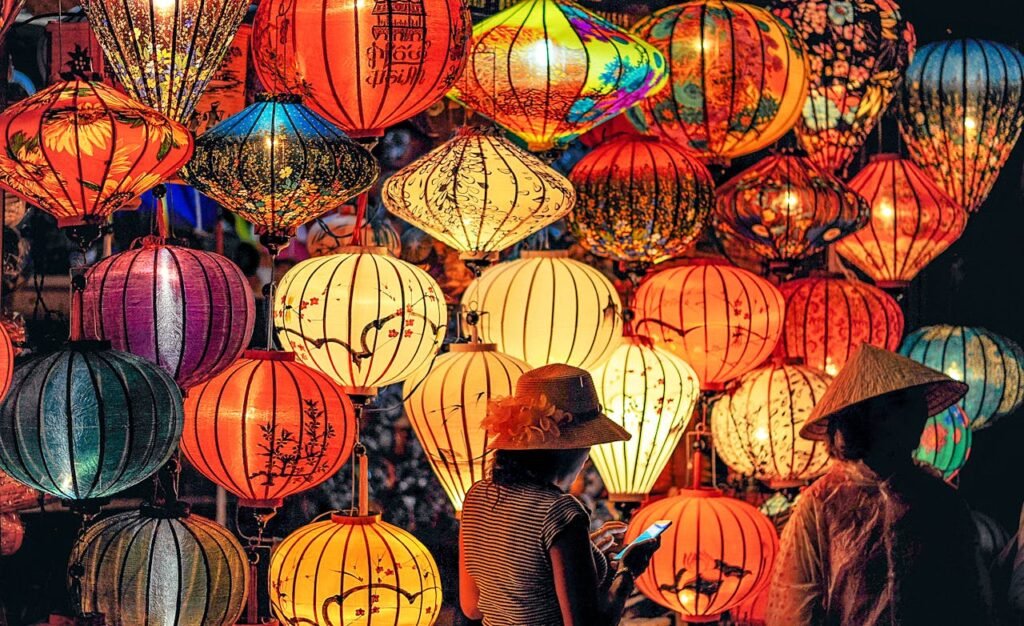
- Lanterns and the Lantern Festival often appear as “end-of-season” imagery or craft themes, because lanterns are associated with the final days of the holiday period.
- Lion/dragon dances are widely recognized public performance elements (especially at festivals), and local libraries sometimes show videos when live performances aren’t on the schedule.
Local Lunar New Year Events in Johns Creek, Duluth, Suwanee & Alpharetta
What follows is a roundup of public-facing, family-friendly Lunar New Year programs that appear on official city, library, and community-organization calendars in the North Fulton / South Forsyth orbit. Event details can change, so it’s still wise to confirm shortly before you go.
| Date | Event | Location | Cost | Notes |
|---|---|---|---|---|
| Sat, Feb 7, 2026 12–4 p.m. |
Community Lunar New Year Festival |
Yi Hwang Academy of Language Excellence (YHALE) 4450 River Green Pkwy, Duluth |
Free | Outdoor festival hosted by YHALE; family-friendly cultural programming. |
| Fri, Feb 13, 2026 1–2:30 p.m. |
Kids Craft Program (Ages 6–11) |
Duluth Branch Library Gwinnett County Public Library |
Free | Educational craft session tied to Lunar New Year themes. |
| Tue, Feb 17, 2026 4–5 p.m. |
Lunar New Year Story + Crafts |
Ocee Branch Library Johns Creek (Fulton County Library System) |
Free | Storytime and hands-on craft program for children. |
| Thu, Feb 19, 2026 4–5 p.m. |
“Year of the Horse” Learning + Craft |
Suwanee Branch Library Gwinnett County Public Library |
Free | Educational session focused on 2026 zodiac theme. |
| Feb 16–28, 2026 Closing Reception: Feb 28, 5:30–6:30 p.m. |
Student Art Exhibition (Lunar New Year Theme) |
The Art Center Johns Creek |
Typically Free (Confirm) | Youth art exhibit inspired by Lunar New Year imagery and themes. |
| Sat, Feb 21, 2026 11 a.m.–3 p.m. |
Citywide Lunar New Year Festival |
Atlanta Athletic Club (Fields) Johns Creek |
Free | Performances, food vendors, cultural demonstrations; hosted by the City of Johns Creek. |
| Sun, Feb 15, 2026 (Time TBA) |
Lunar New Year Celebration |
Sharon Forks Library South Forsyth / Cumming |
Free | Cultural performances and children’s crafts; confirm time and registration with library. |
What Ramadan Means
Ramadan is the ninth month of the Islamic lunar calendar and is widely observed by Muslims as a month of daily fasting from dawn to dusk, increased prayer, reflection, and charity. Observing the fast is commonly described as one of the central pillars of Muslim practice.
Two key “terms you’ll hear” around town:
- Suhoor: the pre-dawn meal Muslims eat before fasting begins.
- Iftar: the evening meal after sundown that breaks the fast; many traditions begin by breaking the fast with dates and water.
Many communities also include Taraweeh, a special set of nightly Ramadan prayers held at mosques after the evening prayer.
Because the Islamic calendar is lunar, Ramadan’s dates shift earlier each year on the Gregorian calendar, and local communities may differ on the exact start/end by a day based on how they confirm the new month. In practical local terms, this means: if you’re planning to attend an iftar or interfaith dinner, it is normal (and respectful) to check the hosting mosque’s announcement for final confirmation.
Local Ramadan Observances & Community Iftars
Across North Fulton and South Forsyth, Ramadan unfolds through a network of mosques and Islamic centers that serve families in Johns Creek, Roswell, Alpharetta, Duluth, Suwanee, Milton, and South Forsyth/Cumming. During the month, these centers become evening gathering places—organizing prayer, coordinating food drives, and often hosting community iftars after sunset.
In Roswell, families gather at Roswell Community Masjid not only for nightly prayers but also for pre-Ramadan events designed to help households prepare for the month ahead. In Alpharetta and the surrounding North Fulton area, Masjid Hamzah and the Islamic Center of North Fulton are familiar names for many local families, with youth programming and children’s activities woven into the rhythm of the month.
Duluth and Suwanee are also home to active Muslim communities, centered around the Islamic Center of Duluth and the Gwinnett Islamic Circle, where announcements about prayer times, volunteer efforts, and shared meals circulate as Ramadan approaches. Farther north in South Forsyth/Cumming, Masjid Al-Rahman typically combines worship with structured community giving—food drives and sponsored iftar meals are common features of the season.
Because Ramadan follows the lunar calendar, there can be slight differences in when communities officially begin. It’s common for local mosques to confirm the start date after evening prayer. For neighbors planning to attend an iftar, waiting for that confirmation is both normal and appreciated. Eid al-Fitr, marking the end of the month, is currently expected around March 20, 2026, with final timing announced locally as the month concludes.
What Mardi Gras Means
Mardi Gras — French for “Fat Tuesday” — is the final day before the Christian season of Lent begins on Ash Wednesday. It is tied to the Western Christian liturgical calendar rather than a lunar or lunisolar system, and its date shifts each year based on the timing of Easter.
Traditionally observed in Catholic and some Protestant communities, Mardi Gras developed as a day of celebration before the reflective season of Lent. The holiday is most famously associated with New Orleans and the Gulf Coast, but it is also observed in various forms across the United States and in parts of Europe and Latin America.
The day is commonly framed as a festive send-off before Lent: a time for gathering, music, special foods, and community events. In public-facing materials, you will often see the colors purple, green, and gold — traditionally representing justice, faith, and power — along with masks, beads, and imagery connected to parades and carnival traditions.
Several customs are likely to be referenced or explained locally:
King cake is the most recognizable seasonal food associated with Mardi Gras. The ring-shaped pastry, often decorated in purple, green, and gold sugar, may contain a small figurine inside; by tradition, whoever finds it is expected to host the next gathering.
Parades and “krewes” (organized carnival groups) are central to celebrations in cities like New Orleans. While North Fulton and South Forsyth do not host large-scale Mardi Gras parades, themed gatherings, church events, and restaurant specials sometimes bring elements of the tradition into local life.
Ash Wednesday follows immediately after Mardi Gras and marks the beginning of Lent, a 40-day season of reflection leading up to Easter. In practical terms, this means Mardi Gras functions as both a cultural celebration and a calendar marker within Christian communities.
Local Mardi Gras Observances in North Fulton & South Forsyth
In Johns Creek, Alpharetta, Roswell, Milton, Duluth, Suwanee, and South Forsyth/Cumming, Mardi Gras typically appears in smaller-scale forms rather than citywide festivals. Churches may host pancake suppers or Shrove Tuesday gatherings. Bakeries and restaurants sometimes feature king cake or Cajun-inspired menu items during the week leading up to Fat Tuesday.
Because Mardi Gras is tied to the Christian liturgical calendar, its observance is generally consistent nationwide. However, specific local events, themed menus, or church gatherings may vary by congregation or business, so confirming details in advance is still advisable.
How Neighbors Can Participate or Support
What you’ll see around town
In North Fulton and South Forsyth, Lunar New Year tends to show up as city festivals, library crafts, student and youth programming, and cultural performances—often centered on “Year of the Horse” storytelling, dance, martial arts demonstrations, and family activities. Ramadan tends to be more visible through community announcements, evening traffic patterns around sundown, nonprofit volunteering, and mosque-hosted gatherings after fasting hours.
Where to experience it
For Lunar New Year: the city festival at the Atlanta Athletic Club fields and kid-focused library events are designed for broad public participation. For Ramadan: community life is largely anchored at local mosques (Roswell, Alpharetta, Duluth, Suwanee, South Forsyth/Cumming), and many centers explicitly direct visitors to their Ramadan information pages, calendars, or announcements.
How to participate respectfully
For Lunar New Year events, “respect” usually looks like showing up ready to learn, letting children engage with crafts/questions, and treating traditions as living practices rather than costumes or jokes. Library programs often explicitly frame their events as educational—teaching the zodiac story, showing dance videos, and creating crafts together.
For Ramadan events (especially if you attend an iftar or visit a mosque), the simplest etiquette is also the most appreciated:
Dress modestly and be prepared to remove shoes when entering the prayer hall area; many mosques ask visitors to keep carpets clean by removing shoes before stepping onto the prayer space.
If you’re unsure about head coverings or seating areas, ask at the entrance—mosques vary, and most would rather explain than have visitors guess.
Ask before photographing people (especially during prayer).
Even if you never attend an event, “support” can be as basic as understanding what a fasting neighbor is doing: Ramadan fasting is from pre-dawn to sunset, and iftar is the “breaking the fast” meal after sundown.
What children learn in schools
This year’s calendar is a clear example of why these topics come up in classrooms: Lunar New Year falls on February 17, 2026, and Ramadan begins around the same time. Locally, education happens both formally and informally—through library story hours, school cultural events like the YHALE festival, and youth programs at religious centers.
How local businesses observe
In Gwinnett—especially around Duluth and Suwanee—tourism and community organizations explicitly point to a dense ecosystem of Korean-owned businesses, markets, and food destinations, which helps explain why Lunar New Year cultural programming is easy to find nearby. During Ramadan, local mosques often coordinate community services such as food drives and organized iftar support—community-facing work that residents can support through volunteering or donations when opportunities are posted.
Why These Celebrations Matter in North Atlanta
This is not abstract “international culture” for North Fulton and South Forsyth—it is local, neighborhood-scale community life, and the data helps show why.
First, several core cities in this coverage ring have high Asian population shares. The U.S. Census Bureau QuickFacts tables list Asian alone as approximately 29.5% in Johns Creek, 22.1% in Duluth, and 24.7% in Suwanee. That scale of presence makes it more likely that a suburban community will support public-facing Lunar New Year programming at libraries, schools, and city festivals.
Second, county-level religion data indicates an established Muslim community footprint in the counties that anchor this coverage ring. The Association of Religion Data Archives county membership reports for 2020 include a “Muslim Estimate” of 3,398 adherents in Forsyth County and 1,398 in Fulton County (noting that county-level measures are broader than “north Fulton” alone, but still useful context).
Third, local schools reflect this diversity. Fulton County Schools’ published “Facts at a Glance” for 2025–26 lists student demographics including 14% Asian and 16% Hispanic (among other groups), and Forsyth County Schools describes its student population as 35% Asian, alongside other listed demographics. In practice, that means more classmates celebrating Lunar New Year, and more students fasting during Ramadan—making it more likely that teachers, counselors, and libraries will proactively provide age-appropriate explanations and inclusive programming.
About the Author


Good Friend Mortgage
Good Friend Mortgage has spent 21 years turning hopes into homes. With unmatched service, expert guidance, and a dedication to your future, we make...
Notice an update, correction, or detail we should include? Tell the editor. Seen something new around you? Send us a local tip.

Most Popular
 Siemens’ Alpharetta Rail Operation Is Hiring From $20 an Hour to $95,000 a YearBusiness & Development
 Barnes & Noble Is Opening Bookstores Again — and the Sun Belt Is Helping Drive the ComebackBusiness & Development