 Exclusive sponsor
Home Prices Rose Faster Than Paychecks Across North Fulton and Gwinnett. Now the Gap Is Reshaping the Suburbs
Home prices across North Fulton and Gwinnett have climbed faster than wages, creating tougher affordability challenges. Many buyers are seeking homes farther north or in adjacent counties to find more reasonable options. This dynamic is reshaping the suburban housing market.
Major local stories and useful updates, once a week.
In much of metro Atlanta’s northern suburbs, the past five years have transformed the housing market from competitive to deeply challenging for many middle-class buyers.
Home values in communities like Johns Creek, Alpharetta, Milton, Suwanee, and Duluth surged during and after the pandemic-era housing boom, while wage growth, though meaningful in some sectors, has struggled to keep pace with the cost of ownership.
The result is increasingly visible across North Fulton and Gwinnett County: younger professionals delaying homeownership, families pushing farther north for affordability, and even high-income households feeling pressure from rising insurance, taxes, and mortgage costs.
Housing data illustrates how dramatic the shift has been.
The average home value in Johns Creek now sits above $700,000 according to Zillow data, while Alpharetta homes continue hovering in the high-$700,000 range depending on neighborhood and property type.
Gwinnett County remains less expensive overall, but prices there also climbed sharply during the past several years. Zillow now places the county’s average home value above $400,000, with median listing prices approaching the mid-$400,000 range.
Meanwhile, household incomes in North Fulton remain among the highest in Georgia. Data Commons estimates median household income around $160,000 in Johns Creek, roughly $148,000 in Alpharetta, and more than $170,000 in Milton.
Those are strong incomes by almost any national standard. But the housing market changed faster than many suburban households expected.
A family earning $150,000 annually in 2020 could realistically compete for a large portion of the North Fulton housing market when mortgage rates were near historic lows. In 2026, that same family faces home prices that are dramatically higher while borrowing costs remain elevated compared with the ultra-low-rate pandemic years.
The monthly payment difference has become enormous.
A $450,000 mortgage at roughly 3% interest in 2020 carried a vastly different monthly burden than a $700,000 mortgage at current rates above 6%. Even households with stable incomes often find themselves allocating far larger portions of their paychecks toward housing than they would have only a few years ago.
The pressure extends beyond buyers.
Property taxes have climbed alongside home values in many suburban areas. Insurance premiums have risen sharply. Home repair costs remain elevated because of labor and material pricing. And families moving into North Fulton from other parts of Georgia increasingly encounter sticker shock when comparing suburban housing inventory.
The affordability squeeze is also changing migration patterns inside the region.
Some buyers who once targeted Alpharetta or Johns Creek are now looking farther into South Forsyth, western Gwinnett, or Cherokee County in search of newer homes at lower prices. Communities along the GA-400 corridor south of Exit 13 remain highly desirable, but buyers are becoming more price-sensitive and strategic than they were during the peak frenzy years of 2021 and 2022.
At the same time, the region’s economic strength continues attracting residents.
North Fulton’s technology, healthcare, and professional services sectors remain powerful job generators. Lifestyle districts like Avalon, Halcyon, and downtown Alpharetta continue drawing both businesses and higher-income households. School systems in North Fulton and parts of Gwinnett remain major demand drivers for housing.
That combination — strong demand paired with limited affordability — may define the next phase of suburban Atlanta growth more than outright price surges.
Some recent housing indicators suggest the market is cooling slightly compared with peak pandemic conditions. Redfin and Zillow data show modest year-over-year softening in portions of the market, longer selling timelines, and higher inventory levels in some suburbs.
But even where prices flatten, affordability has not fully returned.
National housing analysts note that home prices since 2020 have significantly outpaced wage growth across most U.S. counties. ATTOM Data estimates national home prices rose roughly 54% since 2020 while wages increased closer to 29%.
North Atlanta’s suburbs illustrate that imbalance in real time.
For longtime homeowners, rising property values created substantial wealth gains. For younger buyers, renters hoping to transition into ownership, and new families relocating into the area, the suburban dream now requires far higher incomes than it did only a few years ago.
And increasingly, that gap is becoming one of the defining economic stories of suburban Georgia.
Here are a few more stories worth your time.
Community Voice
A snapshot of reader views, not a scientific survey.
Explore Community Voice →About the Author


In North Atlanta

The Quiet Tax War Between Sugar Hill, Suwanee, Buford and Cumming

More homes are for sale in Forsyth County, and buyers are taking their time
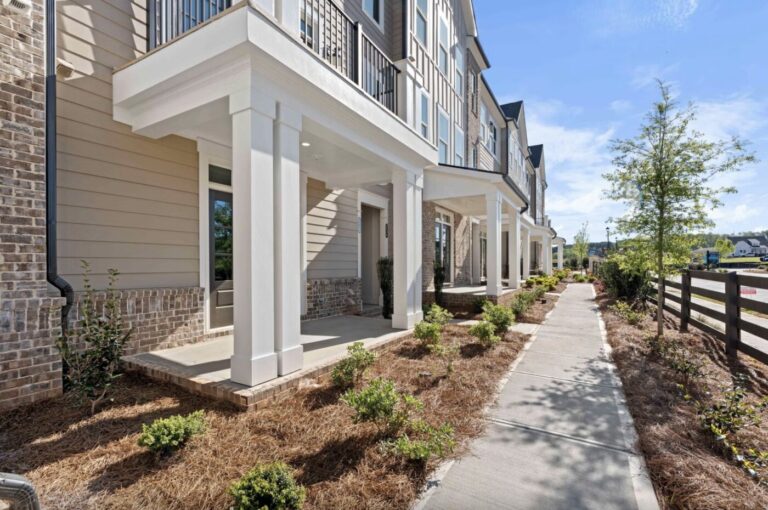
North Atlanta Housing Snapshot: What Buyers Can Find From the $300,000s to $1 Million

What North Atlanta Should Know Today
Renting or Buying? North Atlanta’s Suburbs Tell a Different Housing Story
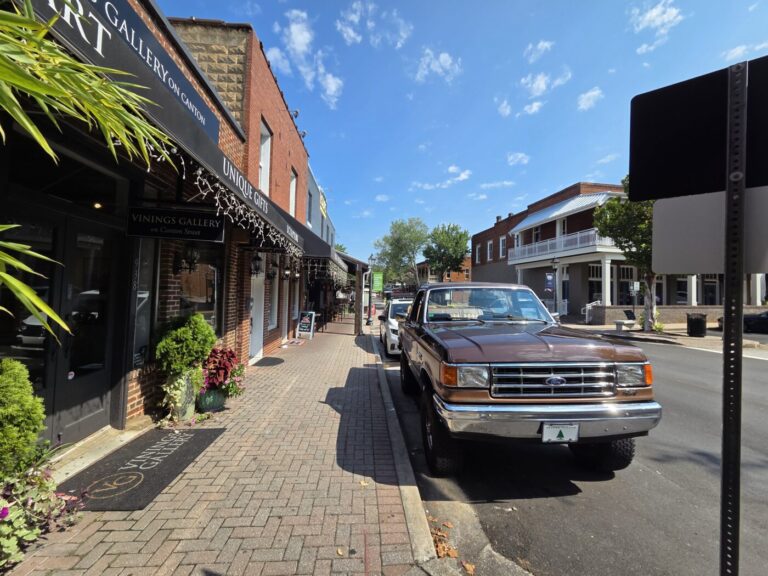
North Fulton Is Getting Older. Can the Next Generation Still Afford to Live Here?
IN NORTH ATLANTA