 Exclusive sponsor
10 Places We Used to See Everywhere (and Somehow Don’t Anymore)
Major local stories and useful updates, once a week.
There was a time when running errands felt a little more like wandering through a familiar landscape. You didn’t need to plan much. You just knew where things were—the video store by the grocery, the photo shop next to the dry cleaner, the small bookstore tucked into a strip plaza. Many of those places weren’t remarkable on their own, but together they formed the rhythm of everyday life.
Walk through Alpharetta, Roswell, or Johns Creek today, and the streets feel different. Not worse, not better—just rearranged. The names have changed, the habits have shifted, and a quiet layer of everyday places has faded out of view.
Here are ten kinds of places that once felt permanent—and now feel almost impossible to find.
1. Video Rental Stores

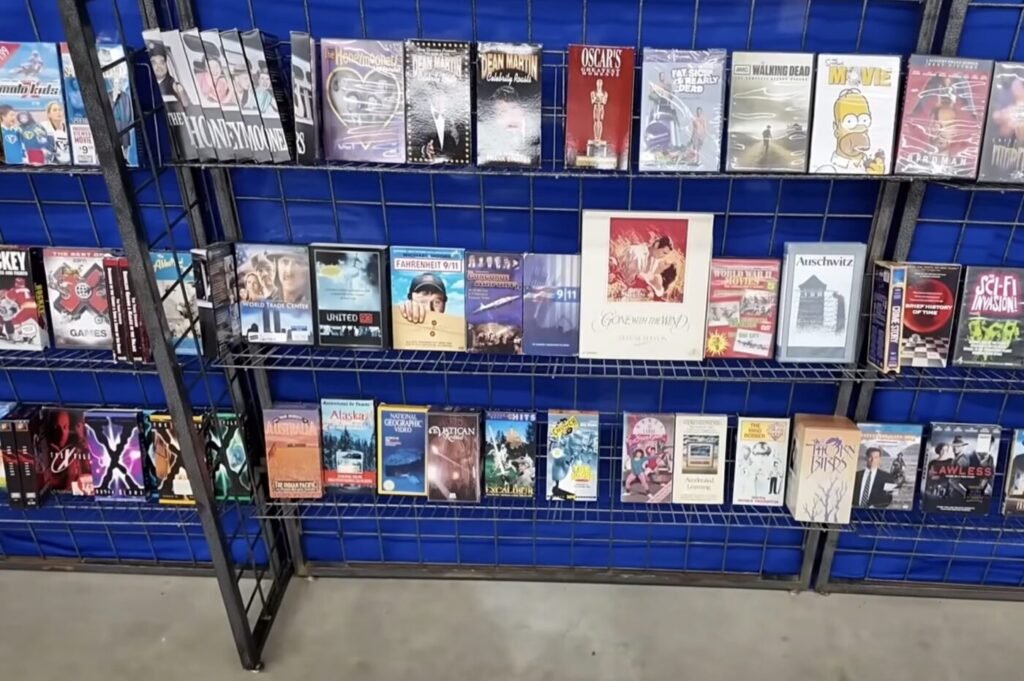
On a Friday night, the trip to the video store was part of the evening itself. Families walked the aisles slowly, reading the backs of cases, debating choices, sometimes settling for something unexpected when the new releases were gone.
Chains like Blockbuster once had locations across North Fulton, and smaller independent shops filled in the gaps. Today, streaming has erased the ritual entirely. There’s no aisle to wander, no last copy to grab, no late fee to worry about. Something quieter replaced it—but also something less social.
The closest modern version shows up in a different setting. At Video Warehouse, about 40–45 minutes from Johns Creek, rows of physical movies still line the walls, and the act of browsing remains part of the experience. It’s one of the few places in the metro area where the old rhythm—walking in without a plan and leaving with something unexpected—still exists almost unchanged.
2. One-Hour Photo Labs
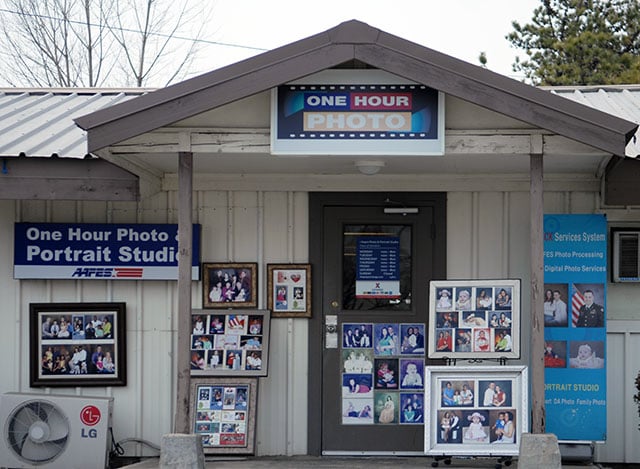
Before phones carried cameras, film had to be dropped off and picked up later. Shops like Kodak Express promised quick turnaround, but even an hour felt like anticipation.
The experience was tactile: envelopes, negatives, glossy prints. You didn’t know exactly what you had captured until you opened the packet. Now, photos exist instantly—and often disappear just as quickly.
That slower process hasn’t disappeared entirely—it’s just become more specialized. At Dunwoody Photo, about a 20–25 minute drive from Johns Creek, film development and print services are still part of the offering, alongside more modern photo needs. Even closer, stores like CVS Pharmacy continue to provide photo printing kiosks where people turn digital images into physical prints—different from the old film envelope, but still carrying a trace of that earlier ritual.
3. Mall Arcades

Before gaming moved into living rooms and onto phones, arcades were gathering places. In malls like North Point or Gwinnett Place, they glowed with noise and light—rows of machines, tokens clinking, the steady rhythm of buttons and joysticks.
You didn’t play alone. You watched, waited, competed. That shared energy is harder to find now, even though gaming itself has only grown.
A few places still carry that feeling forward, even if in a different form. Spots like Main Event Entertainment and Dave & Buster’s bring together modern arcade games, groups of friends, and the same kind of casual competition that once filled mall arcades. It’s louder, larger, and more polished than before, but for a moment—standing in front of a machine, waiting your turn—you can still recognize the rhythm of those earlier spaces.
4. Independent Bookstores in Strip Centers
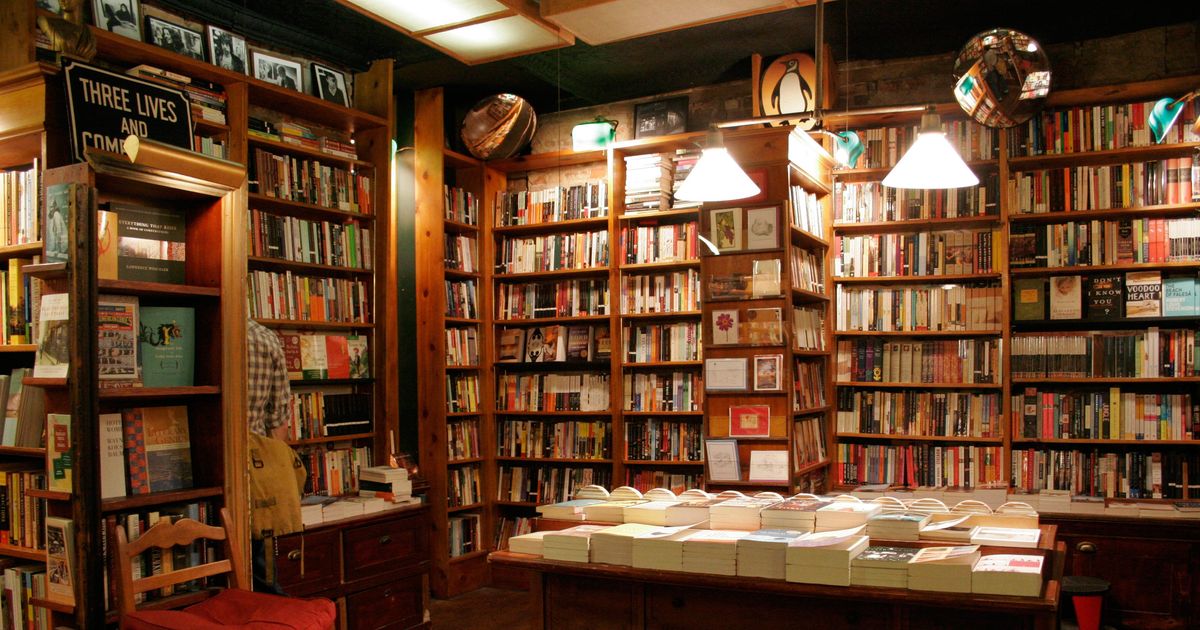
Before online ordering reshaped the industry, small bookstores were part of everyday shopping centers. Not chains—just local shops with uneven shelves, handwritten recommendations, and a quiet place to browse.
The rise of Amazon and big-box retailers changed the economics.
A few local spots still keep that experience alive. Read It Again Bookstore remains a quiet, familiar stop for used books and unexpected finds. In Alpharetta, The Crazy Book Lady has built a loyal following with a more curated, community-driven feel. And in nearby Roswell, Bookmiser continues the tradition of browsing dense shelves where you’re just as likely to discover something as to look for it. But the casual, unplanned bookstore visit has become rarer.
5. Music Stores (CD and Cassette Shops)
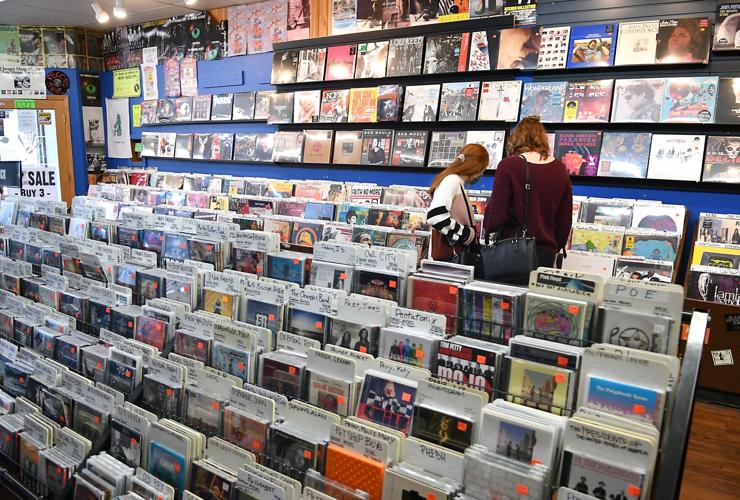
There was a moment when music required a physical place. Stores filled with CDs and cassettes let you listen before you bought, often through shared headphones at listening stations.
Chains like Sam Goody once anchored malls across the region. Today, the experience hasn’t disappeared entirely—it’s just shifted. Stores like Barnes & Noble still carry vinyl records and a curated selection of CDs, often displayed near the front as part of a quieter return to physical media. It’s not the same as the old listening stations, but there’s a similar feeling in flipping through records, recognizing an album cover, and choosing something you can hold.
Music is now everywhere—and yet, in a few corners, it has found its way back into a physical space again.
6. Dedicated Travel Agencies

Planning a trip used to involve sitting across from someone who knew the routes, the hotels, the small details. Offices were lined with brochures—rows of destinations you could flip through physically.
Today, most travel planning happens alone, online. It’s faster, more flexible, but missing that sense of being guided through the possibilities.
A few agencies still hold onto that older model, especially for more complex or curated trips. In Alpharetta, Brownell Travel operates more like a consultancy, helping plan detailed itineraries rather than simple bookings. Cruise Planners and other small, often home-based advisors continue to work quietly in the background, handling cruises, family trips, and international travel. The storefront may be less visible than it once was, but the role—the person who helps shape the journey before it begins—hasn’t entirely disappeared.
7. Electronics Stores Focused on Components

Before big-box electronics retailers dominated, stores like RadioShack catered to hobbyists and tinkerers. You could walk in and find a specific cable, resistor, or part—and someone who knew how to use it.
Those spaces supported curiosity in a hands-on way. Today, much of that world has moved online, or disappeared entirely.
A few places still keep that hands-on spirit alive, even if they look different on the surface. Micro Center in Marietta—about a 35–40 minute drive from Johns Creek and Alpharetta—remains one of the closest places for North Atlanta residents to browse components, build PCs, and talk to knowledgeable staff in person. Closer to home, HobbyTown offers a more accessible entry point, especially for families and younger hobbyists, with kits, parts, and projects that bring curiosity back into a physical space—even if the categories have shifted.
8. Office Supply Copy Centers as Community Hubs

Copy centers were more than just machines. They were where students printed papers, small businesses made flyers, and neighbors sent faxes. There was often a quiet line of people waiting, each with something to finish.
While stores like Office Depot still exist, the centrality of the copy center has faded as everything moved to personal printers and digital files.
A few places still quietly fill that role across North Atlanta. The UPS Store locations—such as those along Medlock Bridge Road and McGinnis Ferry—handle everyday printing, scanning, and document needs, often for people who don’t have a setup at home. In Alpharetta, FedEx Office Print & Ship Center (including the North Point area) still offers full-service printing, from simple copies to business materials. The setting is quieter now, more transactional, but if you step inside at the right time—someone waiting on a print job, another reviewing a document at the counter—you can still catch a glimpse of how those spaces once functioned as small, shared hubs of everyday work.
9. Kids’ Play Areas Inside Fast Food Restaurants

There was a stretch when fast food wasn’t just about the meal. Places like McDonald’s built indoor play areas that became destinations in themselves—birthday parties, after-school stops, long afternoons of climbing through plastic tunnels.
Many of those spaces have been removed or scaled back, replaced with quieter, more streamlined interiors.
A few still remain, though they’re less common than they once were. The McDonald’s location has kept a PlayPlace-style setup, and similar indoor play areas can still be found at select locations along Peachtree Parkway in Suwanee. Beyond fast food, places like Catch Air Johns Creek carry forward the same idea in a different form—indoor spaces where kids can climb, explore, and spend an afternoon that feels a little like those earlier routines.
10. Local Newsstands and Magazine Shops
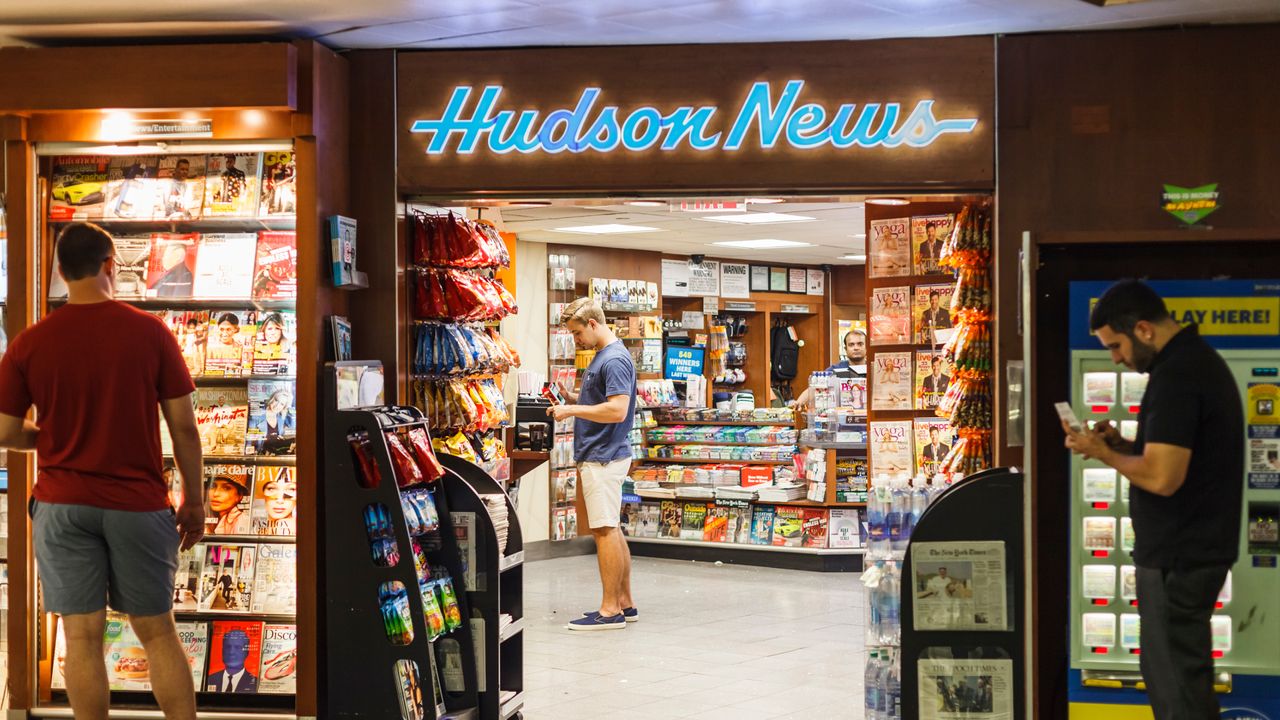
Before everything was available online, newsstands offered a curated world of information. Newspapers from different cities, rows of magazines covering every niche imaginable.
You could browse without a plan, discovering something unexpected. Today, the experience has been replaced by scrolling—efficient, but far less tangible.
That feeling hasn’t disappeared entirely—it’s just been folded into other spaces. Inside Barnes & Noble, the magazine section still spreads across long shelves, inviting the same kind of slow browsing. Grocery stores like Publix, including locations along Medlock Bridge Road and McGinnis Ferry, keep smaller racks near the checkout where people still pause, flip through, and sometimes leave with something they hadn’t planned to buy.
Tell Us What You Miss Most
What’s one place you remember from the 80s or 90s that’s no longer around—but still feels part of your routine somehow?
We’re putting together a reader-submitted piece with short local memories from across Johns Creek, Alpharetta, Roswell, Duluth, and nearby communities. It could be a video store, a bookstore, a small shop, or just a place you used to stop without thinking.
Send us a few lines—just a moment, a detail, or a feeling—and we may include it in an upcoming feature.
Email: info@northatlantastar.com
Read Also:
Community Voice
A snapshot of reader views, not a scientific survey.
Explore Community Voice →About the Author


In North Atlanta
Avalon Santa Photo Reservations Open Monday, Oct. 12
Wire & Wood Brings 40 Performances and Major Street Closures to Alpharetta
Custom Closet Companies Serving Alpharetta, Cumming and Suwanee
Marksman Hiring Event Offers Security Jobs Paying $17 to $20.50 Across Four Communities

Johns Creek, Roswell and Milton Restaurants Make OpenTable’s Diners’ Choice List
8 of the Best Mexican Restaurants in North Atlanta
IN NORTH ATLANTA