The Outer Banks 2026: A Refined Coastal Escape for North Atlanta Travelers

Get major local stories and development updates.
The moment the highway gives way to long, flat stretches of marshland and open sky, something begins to shift. The time the Atlantic finally appears—wide, quiet, and uninterrupted—it feels like a different world altogether.
For many families in Johns Creek, Alpharetta, and across South Forsyth, the Outer Banks has long been a summer tradition. But 2026 marks a noticeable evolution. What was once a simple beach getaway is becoming something more layered: a place where natural beauty meets a growing sense of design, food culture, and thoughtful travel.
The Journey: More Than Just a Drive
The trip itself has become part of the experience. From North Atlanta suburbs, the drive typically runs about 10 to 11 hours, stretching roughly 585 to 600 miles depending on where you start. Most routes follow I-85 through the Carolinas before cutting east toward the coast, a familiar rhythm of highway, rest stops, and quiet towns.
But seasoned travelers have learned that timing matters just as much as distance. The final approach—especially across the Wright Memorial Bridge—can turn into a bottleneck during peak summer weekends. Many now arrive late Friday or early Saturday, or take quieter inland routes through Roanoke Island to ease the transition onto the islands .
For those flying, Norfolk has become the preferred gateway, with frequent connections from Atlanta and a relatively easy final drive to the coast .
A New Layer of Coastal Luxury
The biggest shift in 2026 is happening on the hospitality side. The Sanderling Resort in Duck—long known as the area’s only full-service resort—has undergone a complete transformation. The redesign leans into a softer, more refined coastal aesthetic, with layered textures, open spaces, and views that stretch from the Atlantic to the Currituck Sound .
Alongside the renovation comes a new residential-style offering—multi-bedroom homes that combine private beach living with resort amenities. It’s a format that fits perfectly with multi-family trips, something increasingly common for travelers from this area.
A Culinary Scene That’s Catching Up Fast
Dining in the Outer Banks is no longer just about casual seafood and quick bites between beach trips. There’s a clear shift toward something more deliberate.
The most talked-about arrival is Theodosia, led by chef Vivian Howard, known for her deep connection to North Carolina’s coastal food traditions. The menu draws directly from the surrounding landscape—shrimp, oysters, seasonal fish—reinterpreted with a level of care that feels closer to a destination restaurant than a beachside stop .
At the same time, longtime favorites still anchor the experience. Waterfront dinners in Duck, relaxed evenings in Kitty Hawk, and wine-and-cheese stops at places like TRiO continue to offer that balance between casual and curated that defines the region.
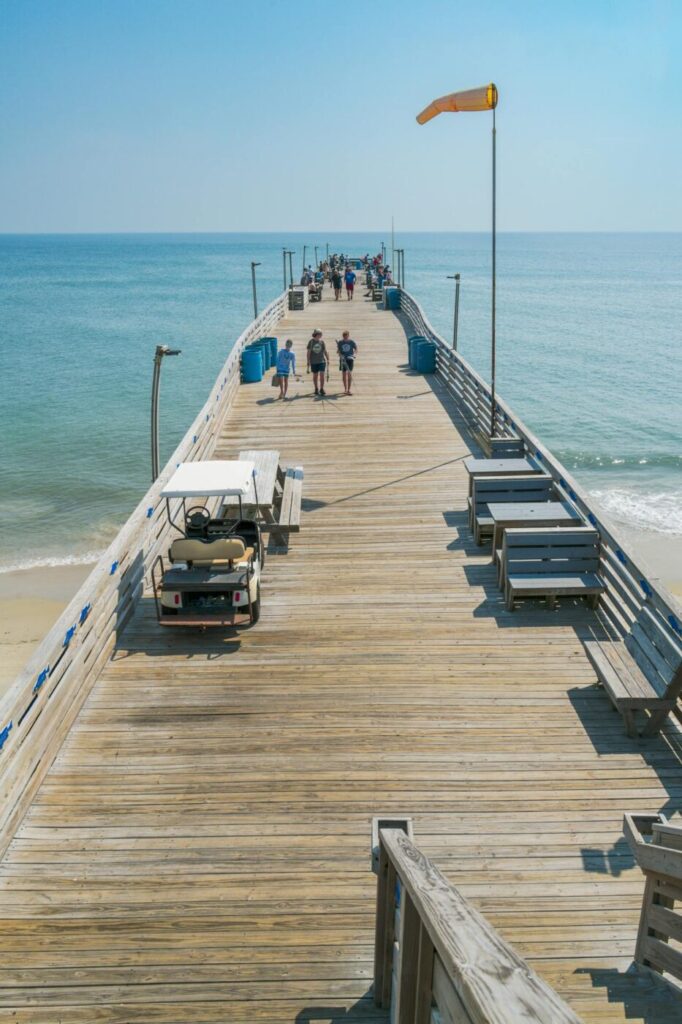
Even the coffee culture has matured. Shops across the islands now focus on small-batch roasting and community spaces, creating slow, quiet mornings that feel far removed from the pace back home.
Spring vs. Summer: Two Different Experiences
One of the more overlooked aspects of the Outer Banks is how different it feels depending on when you go.
Spring brings a quieter version of the islands. Temperatures settle comfortably into the 60s and 70s, and events like the OBX Taste of the Beach and kite festivals at Jockey’s Ridge create a more relaxed, almost local atmosphere .
Summer, of course, is the classic version most people know. Long days in the water, full rental homes, and that familiar rhythm of beach mornings and sunset dinners. But even here, 2026 comes with a few practical considerations—like ongoing beach nourishment projects in Nags Head, which temporarily shift sections of shoreline but ultimately improve long-term conditions .
What Still Makes It Special
Despite the updates, the Outer Banks hasn’t lost what made it compelling in the first place.
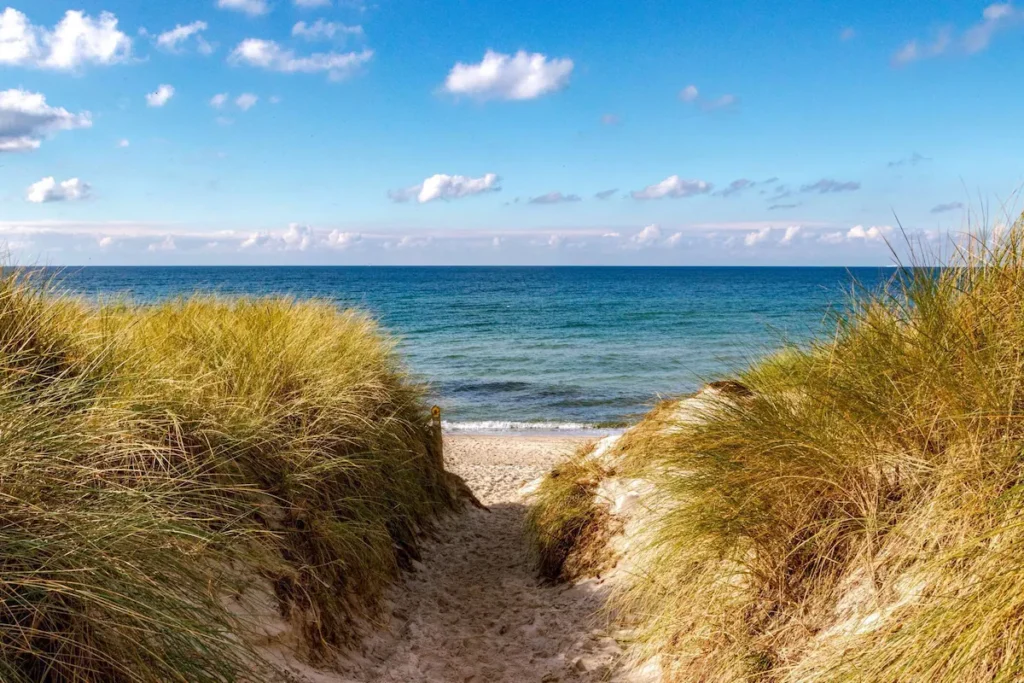
There’s still the feeling of openness that’s hard to find elsewhere. The kind that comes from standing on the dunes at Jockey’s Ridge, where the land feels almost suspended between sky and ocean. Or driving far enough north in Corolla to see wild horses moving quietly along the shoreline, untouched by everything happening around them .
The lighthouses remain part of that identity too—tall, steady markers of a coastline shaped by time. Even with some restoration work limiting access in 2026, they continue to define the landscape in a way that feels both historic and grounding .
Planning Ahead Matters More Than Ever
One practical shift for 2026 is timing. Demand has grown, and booking windows have moved earlier. Popular summer weeks—especially around July—often fill months in advance, particularly for larger homes with pools and multi-family layouts .
There’s also more flexibility now, with “Any Day Stay” options becoming common. That small change allows travelers to avoid the traditional Saturday rush and build trips that feel less constrained by check-in schedules .
Where to Stay in the Outer Banks
Choosing where to stay in the Outer Banks is less about finding a single “best” hotel and more about matching your trip to the right stretch of coastline. Each town carries a different feel, and for many North Atlanta families, that choice quietly defines the entire week.
Duck has become one of the most sought-after areas for travelers who want something calm and slightly elevated. The village is walkable, with a long wooden boardwalk along the sound, and it leans toward boutique stays and well-designed vacation homes. The centerpiece here is the Sanderling Resort, which has been fully redesigned for 2026 and offers a rare full-service experience on the Outer Banks—spa, dining, and private residences all in one setting. Nearby, smaller properties like Barrier Island Station Duck give families a more low-key condo-style option with easy beach access.
Southern Shores sits just below Duck and feels even more residential. There are very few hotels here, but that’s part of the appeal. Rental homes dominate, and companies like Outer Banks Blue Realty and Twiddy & Company Realtors manage many of the larger, well-maintained properties in this area.
Further south, Kitty Hawk, Kill Devil Hills, and Nags Head form the central hub of the Outer Banks. This is where things feel more active and practical—grocery stores, restaurants, and attractions are all close by. It’s also where you’ll find a wider mix of accommodations. Hotels like Hilton Garden Inn Outer Banks/Kitty Hawk and Ramada Plaza by Wyndham Nags Head Oceanfront offer familiar, straightforward stays right on the beach, while condo-style options like Owens’ Motel provide something more classic and affordable.
Corolla, at the northern end, is where many North Atlanta families go all-in on the traditional beach week. Large oceanfront homes are the norm here, often built for multi-family stays with private pools and expansive decks. Rental companies such as Seaside Vacations and Outer Banks Beach Club offer access to some of these larger properties, along with resort-style amenities in certain communities.
If the goal is something quieter and more removed, Hatteras Island shifts the tone entirely. Towns like Avon and Buxton feel less developed, with longer stretches of open beach and fewer crowds. Stays like Cape Hatteras KOA Resort or The Inn on Pamlico Sound offer a more relaxed, almost retreat-like experience, where the focus is on the water, the sky, and not much else.
For most travelers coming from Johns Creek, Alpharetta, or South Forsyth, the decision tends to settle into a simple trade-off. Duck offers polish and calm. The central beaches offer convenience and energy. Corolla offers space and privacy. Hatteras offers distance and quiet.
Find Your Stay Along the Outer Banks Coast
A Different Kind of Beach Trip
What’s emerging in the Outer Banks isn’t a reinvention, but a refinement.
It still offers the simplicity people come for—the long beaches, the quiet mornings, the sense of distance from everyday life. But layered on top is something more thoughtful: better food, better spaces, and a growing sense that the experience can be shaped rather than just followed.
For many in North Atlanta, that balance is exactly what makes it worth returning to year after year.
Read Also:
About the Author


In North Atlanta
North Atlanta Weekend Guide: Festivals, Dogs, Live Music and the First Feel of Fall

Dervish Plans 200-Seat Turkish Restaurant in Johns Creek

Dumpling Master Opens at Peachtree Corners Town Center

ANDRITZ Is Hiring Engineers and Project Leaders in Alpharetta

Fall Is the Right Time to Repair Many North Atlanta Lawns

South Forsyth Roads and Development Take Center Stage at Forsyth County Meeting
IN NORTH ATLANTA