 Exclusive sponsor
Tax Allocation Districts, Explained: The Financing Tool Behind Major Projects in North Atlanta
Major local stories and useful updates, once a week.
A large redevelopment gets announced. Roads are improved. New sidewalks, parks, and infrastructure begin to take shape. Behind many of these projects is a mechanism most residents rarely hear about until it’s already in motion: the tax allocation district.
As cities across North Fulton and South Forsyth continue to grow, these districts are becoming an increasingly important part of how major projects are funded—and how local areas are reshaped.
What Is a Tax Allocation District?
A tax allocation district, often referred to as a TAD, is a financing tool used by cities to support redevelopment.
The concept is straightforward. When a TAD is created, property tax revenue within a defined area is essentially “frozen” at its current level. As new development occurs and property values rise, the additional tax revenue generated above that baseline is redirected—not to general city budgets—but into improvements within the district itself.
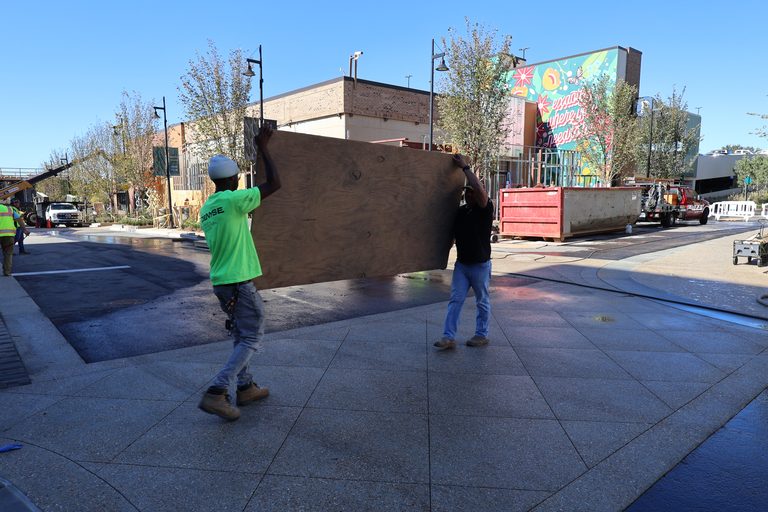
In most cases, those funds go toward the kind of foundational work that makes redevelopment possible: upgrading roads, adding sidewalks and public spaces, improving utilities and infrastructure, and preparing sites so they can support new construction.
In practice, it gives cities a way to invest in areas that might otherwise struggle to attract large-scale private development, helping close the gap between what exists and what could realistically be built.
Why Cities Use TADs
Local governments use TADs to make projects possible that might otherwise stall. They are typically applied in places that need a push—aging commercial corridors, underused properties like older malls, areas where infrastructure hasn’t kept up, or large sites with clear redevelopment potential but significant upfront costs.
Rather than raising taxes across the city, the approach focuses on reinvesting future growth within a defined area to help that growth happen in the first place. For developers, it lowers the burden of early infrastructure costs. For cities, it creates a pathway to a stronger tax base over time once the district has been built out.
Where TADs Are Already in Use Nearby
In North Atlanta, TAD-style thinking is already shaping major projects. Alpharetta has approved a tax allocation district covering the North Point area, positioning the city to support large-scale redevelopment of the mall and surrounding properties. That district is designed to help fund infrastructure improvements tied to future mixed-use development.
In nearby Sandy Springs, city leaders are actively exploring the creation of similar districts, with residents potentially voting on whether to grant the city authority to establish them. The focus there is on revitalizing underused areas and improving infrastructure in targeted parts of the city.
While not every project is publicly labeled as a TAD, the broader approach—using future tax growth to fund present-day improvements—is becoming more common across metro Atlanta.
Where New Districts Could Appear
As redevelopment accelerates, additional TADs or similar financing structures are likely to appear in places where large-scale transformation is possible. That often means aging retail centers along the GA-400 corridor, sizable undeveloped or underused parcels in South Forsyth, and older office or commercial corridors across North Fulton that are no longer performing the way they once did.
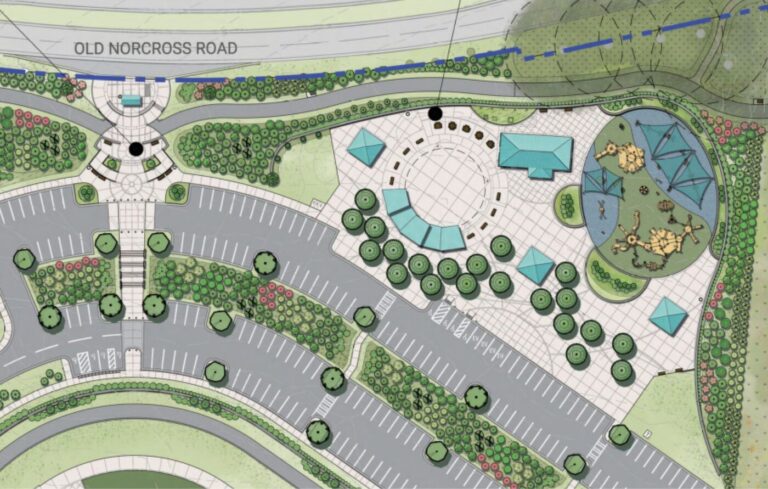
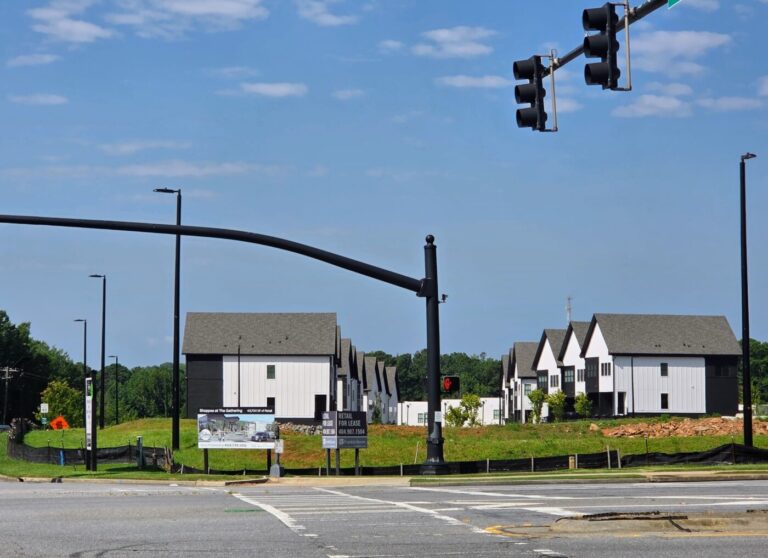
Projects like the North Point redevelopment and The Gathering at South Forsyth reflect the scale of investment now being considered. Behind the scenes, financing tools such as TADs are often part of what makes those kinds of projects financially realistic.
What Residents Should Know
For residents, tax allocation districts can feel abstract—but they have real effects.
A few key points:
TADs do not typically raise property tax rates. Instead, they redirect future increases in tax revenue within a specific area.
They can accelerate development. Infrastructure improvements happen earlier, making projects more feasible and often speeding up timelines.
They concentrate investment. Funds generated in the district are used within that district, rather than spread across the city.
At the same time, there are trade-offs. Because future tax growth is tied up within the district for a period of time, that revenue is not immediately available for broader city or school system needs.
What Residents Can—and Can’t—Do
Residents usually do not vote on the creation of individual TADs in cities that already have rDecisions about redevelopment powers are typically made by city councils, often with additional approvals required from county governments and school boards.
That does not mean residents are completely on the sidelines. There are still points where the public can engage, whether by attending work sessions and public meetings, reviewing redevelopment plans and zoning applications, or offering comments during the approval process. In some cases, such as the current discussion in Sandy Springs, voters may also be asked to decide whether a city should have the authority to create these districts in the first place.
What residents generally cannot do is directly control how funds are allocated once a district is approved. At that stage, decisions move into the hands of city and county leadership, where the structure and priorities of the district are set.
A Tool Shaping the Next Phase of Growth
As North Atlanta continues to evolve, tax allocation districts are becoming part of the underlying structure of development.
They are rarely the headline of a project, but they often make the headline possible.
Whether tied to a redeveloped mall, a new mixed-use district, or infrastructure upgrades along major corridors, TADs are one of the key tools cities are using to guide growth—quietly influencing how and where the region builds next.
Read Also:
Community Voice
A snapshot of reader views, not a scientific survey.
Explore Community Voice →About the Author


In North Atlanta

Who Owns the Land? The Largest Commercial Property Holders in North Fulton
Johns Creek vs. Alpharetta: Two Very Different Visions of “Downtown”
A Development Was Approved Near Your Home. What Happens Next?
Why Alpharetta Keeps Winning National Rankings — And What It Means Locally

Where to Buy Engagement Rings in North Atlanta

Where North Atlanta Teens Hang Out
IN NORTH ATLANTA