 Exclusive sponsor
Who Owns the Land? The Largest Commercial Property Holders in North Fulton

Major local stories and useful updates, once a week.
Why Ownership Matters More Than Announcements
In North Fulton, the pace and direction of future development are shaped less by press releases and more by one simple factor: who controls the land.
Across Alpharetta, Johns Creek, Roswell, and Milton, the shift since 2020 has been clear. The era of large, untouched greenfield projects is fading. In its place, redevelopment has taken center stage. Aging regional malls are searching for new urban identities. Office campuses built around parking lots are being repositioned as mixed-use districts with housing, retail, and walkable environments.
For residents and business owners, the key questions are not just what will be built — but when, and under what conditions.
If a large property is owned by a long-term institutional investor, change typically unfolds through a structured, multi-year entitlement process. If ownership is held by a group seeking repositioning or a faster capital exit, redevelopment can move more aggressively — through partial sales, strategic partnerships, or anchor reconfiguration.
How Ownership Is Verified
Determining control of major commercial sites begins with public tax parcel records and property profile databases maintained by county authorities.
These records typically include:
- Parcel identification numbers
- Owner name and mailing address
- Assessed and appraised values (land and improvements)
- Land area and acreage
- Land use classification
- Zoning classification
- Property type
The challenge is that ownership is often fragmented across multiple LLCs. These entities may not carry the recognizable brand name of the real investment manager or institutional backer.
To unify ownership structures, corporate registration records from the Georgia Secretary of State are used. These records list registered agents, officers, and formation details. It is important to note that a registered agent is not necessarily the owner; it is simply the legal contact for the entity.
Finally, ownership types are categorized based on company disclosures and investment profiles:
- Public REIT (Real Estate Investment Trust)
- Institutional asset manager
- Insurance capital
- Private developer
- Joint venture partnerships
The Core Landholders Shaping North Fulton
Rather than attempting a fragmented “Top 20” ranking of every parcel and LLC, the following are major players who control large, contiguous commercial sites — the kind that can redefine entire corridors.
These mega-sites are where transformation happens.
Rubenstein Partners
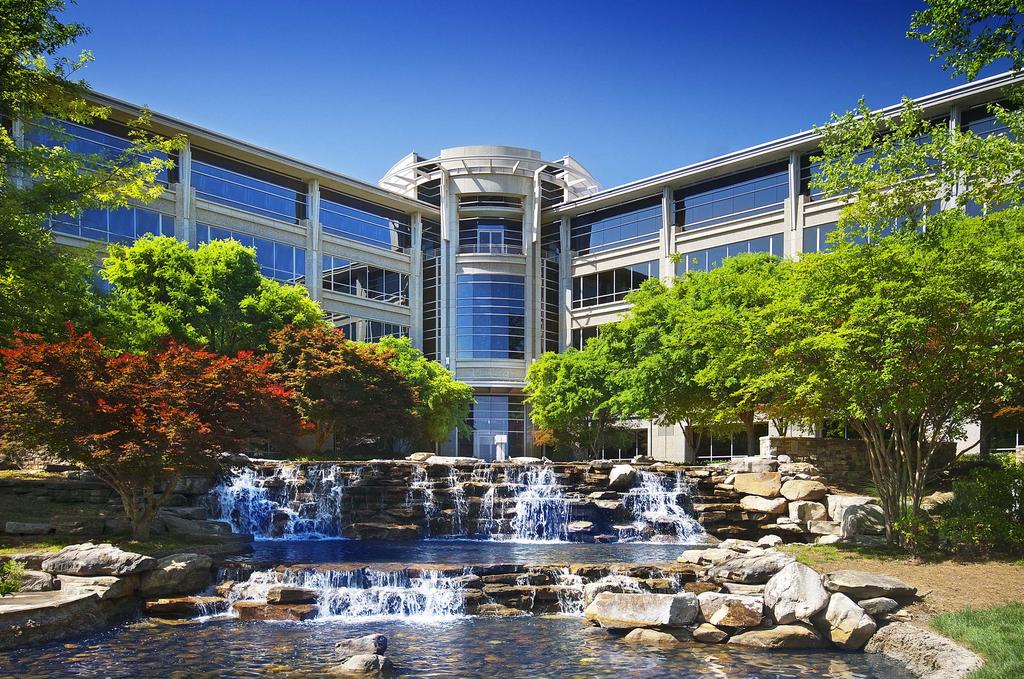
Ownership Type: Private value-add real estate investment manager
Key Site: Sanctuary Park (approximately 152 acres)
Sanctuary Park represents one of the largest office campuses in the region. After earlier acquisitions, three buildings totaling roughly 460,000 square feet were sold in early 2021 to another institutional buyer, signaling partial capital recycling within a much larger campus strategy.
The firm also expanded its presence along the Windward corridor through additional acquisitions, reinforcing long-term influence over a major employment node.
New York Life Insurance Company

Ownership Type: Institutional insurance capital
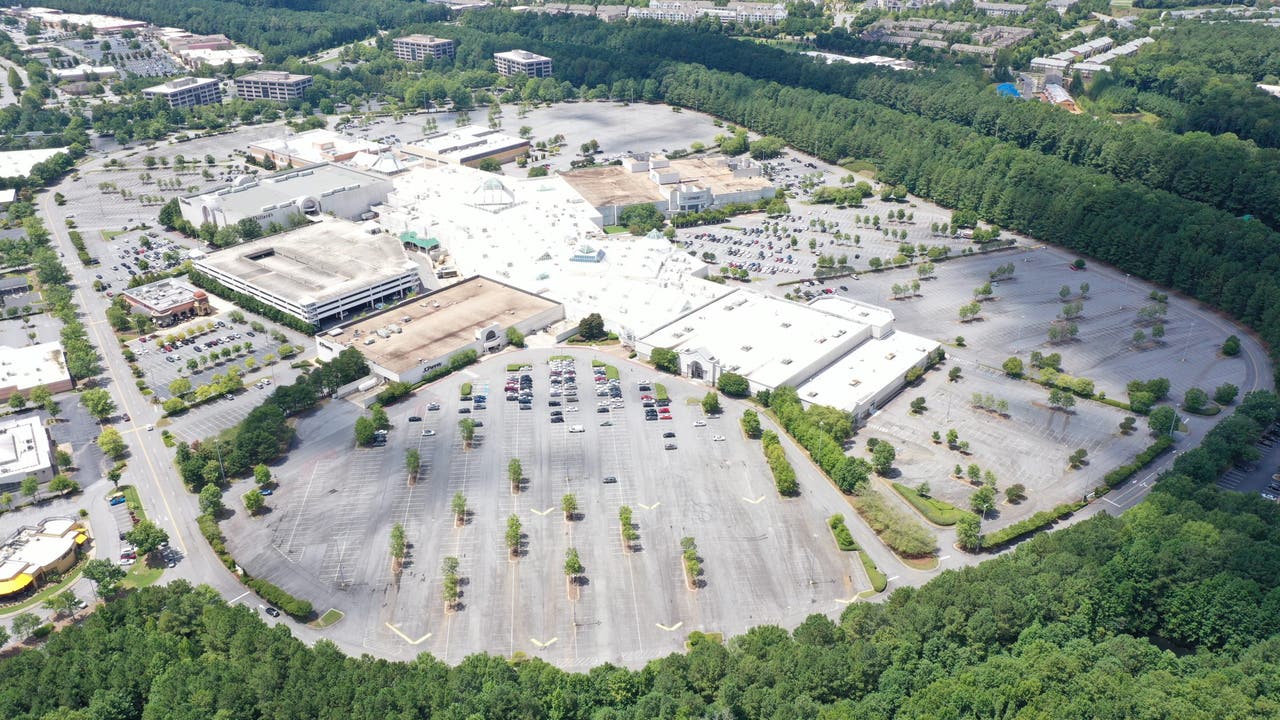
Key Site: North Point Mall (approximately 100 acres)
The North Point property is one of the most consequential redevelopment opportunities in North Fulton. In 2021, the asset was transferred back to the lender through a deed-in-lieu arrangement. Management shifted to redevelopment specialists, and by 2026 a new team was selected to advance pre-development and entitlement efforts.
The site’s scale — roughly 100 acres — gives ownership enormous leverage over surrounding retail, traffic patterns, and long-term land values in the corridor.
PGIM Real Estate

Ownership Type: Institutional asset manager
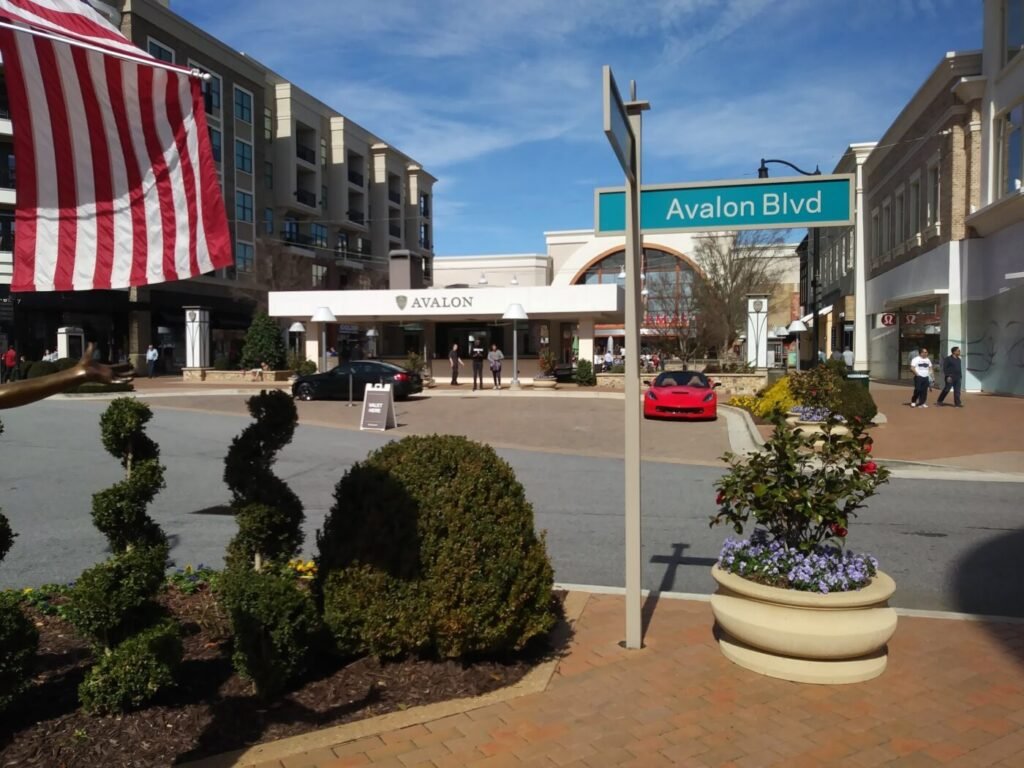
Key Site: Avalon (approximately 86 acres)
Avalon represents an established mixed-use model combining retail, residential, office, and hospitality. Institutional ownership of core components signals long-term capital commitment and emphasis on experiential retail and integrated place-making.
Rather than speculative repositioning, this model reflects stabilized, curated control of a branded destination.
Southwest Value Partners
Ownership Type: Private redevelopment investor
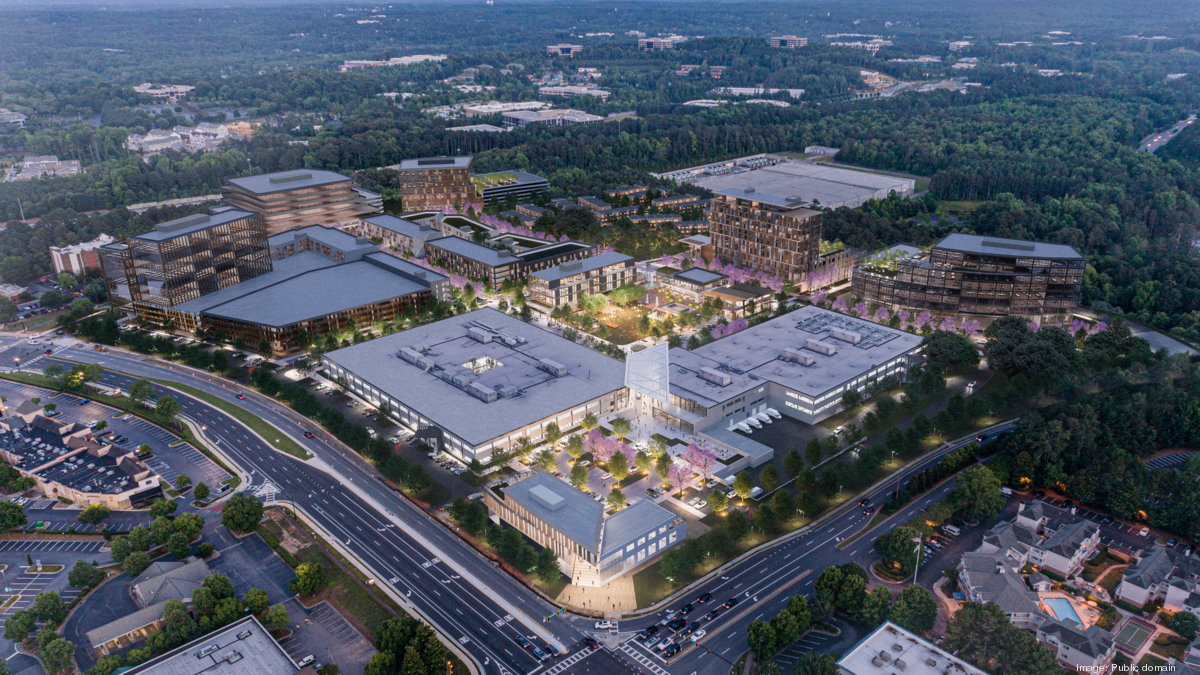
Key Site: Continuum Alpharetta (approximately 52 acres)
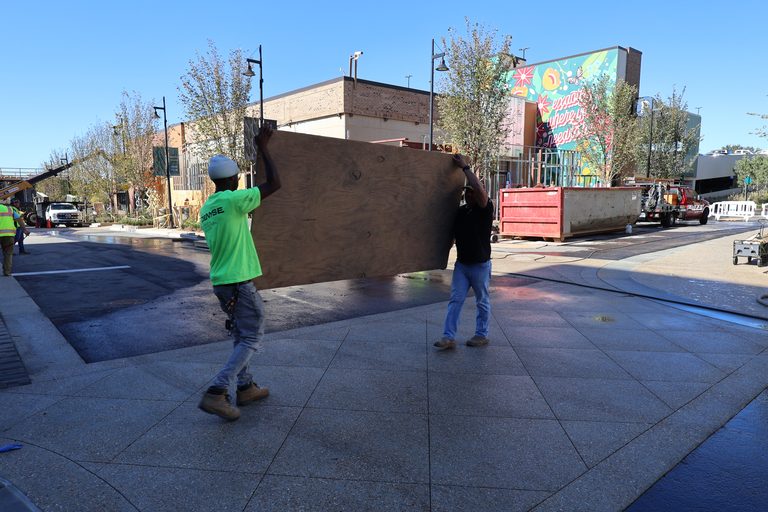
This former office campus has been approved for mixed-use transformation. The shift from a vehicle-oriented office park to a network of streets, retail, restaurants, and residential components illustrates how ownership can redefine land use without expanding geographic footprint.
Portman Holdings
Ownership Type: Developer-owner
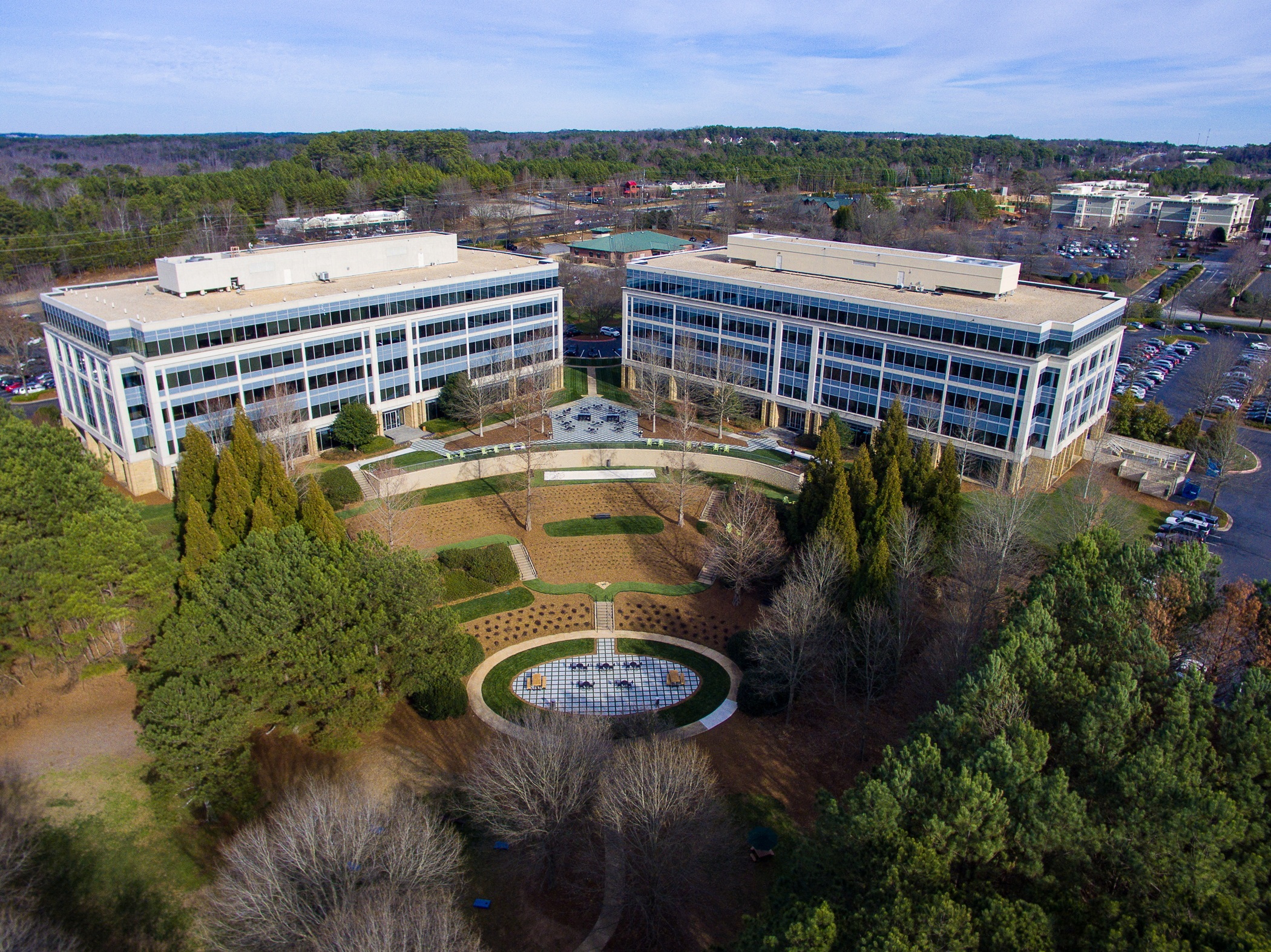
Key Site: Brookside Office Park (approximately 20 acres)
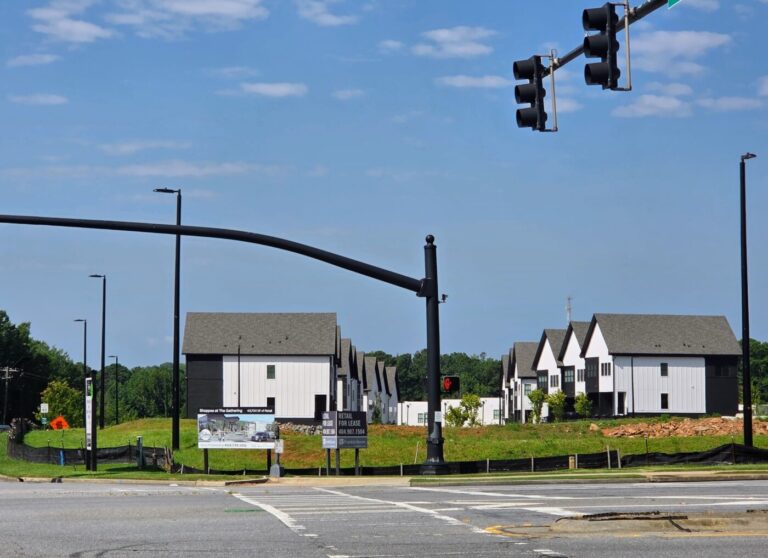
Acquired in 2025, the site is being repositioned toward a mixed-use vision that includes residential units, townhomes, and retail space. Planned construction beginning in 2026 reflects how mid-sized parcels near major corridors can pivot from single-use office to integrated neighborhoods.
Toro Development Company
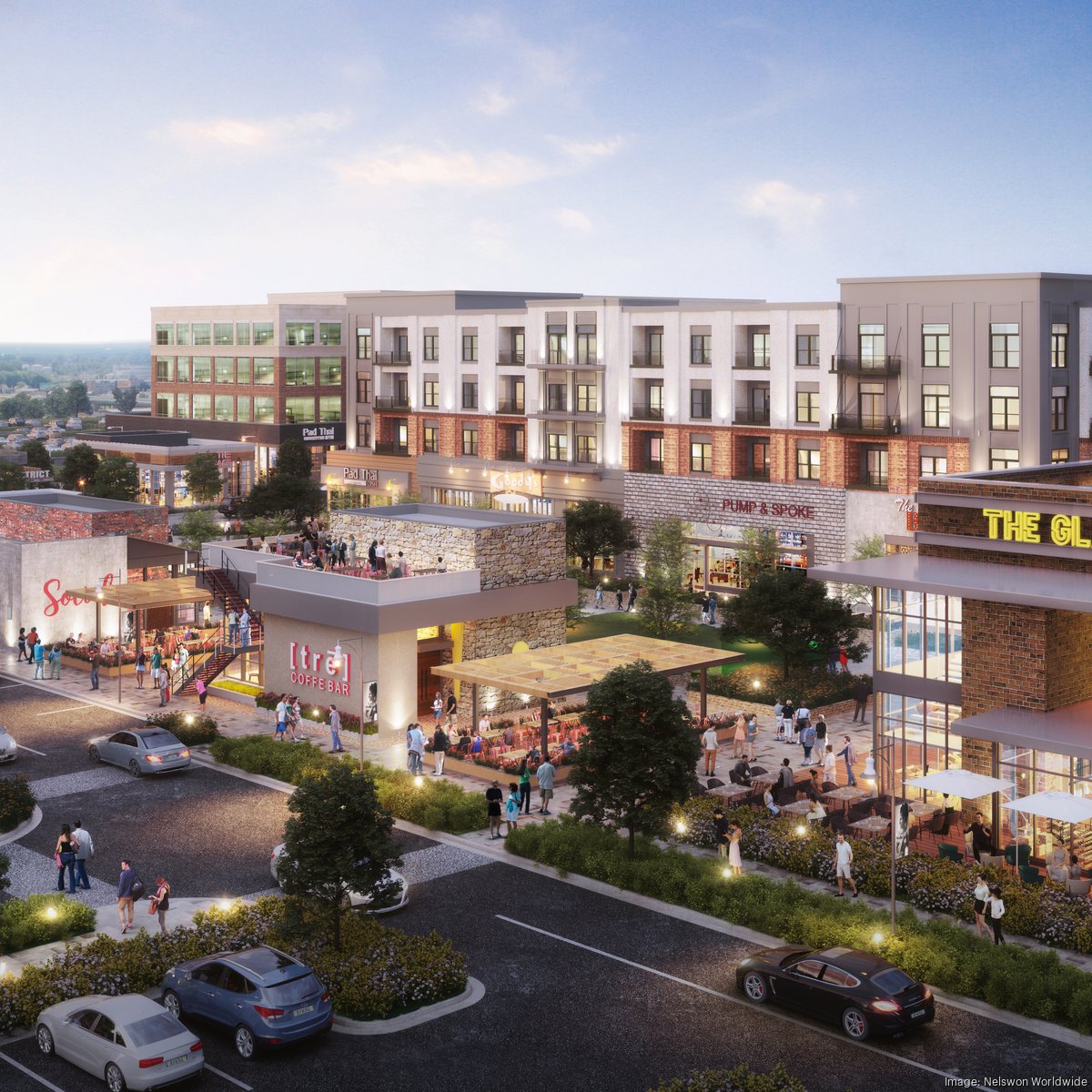
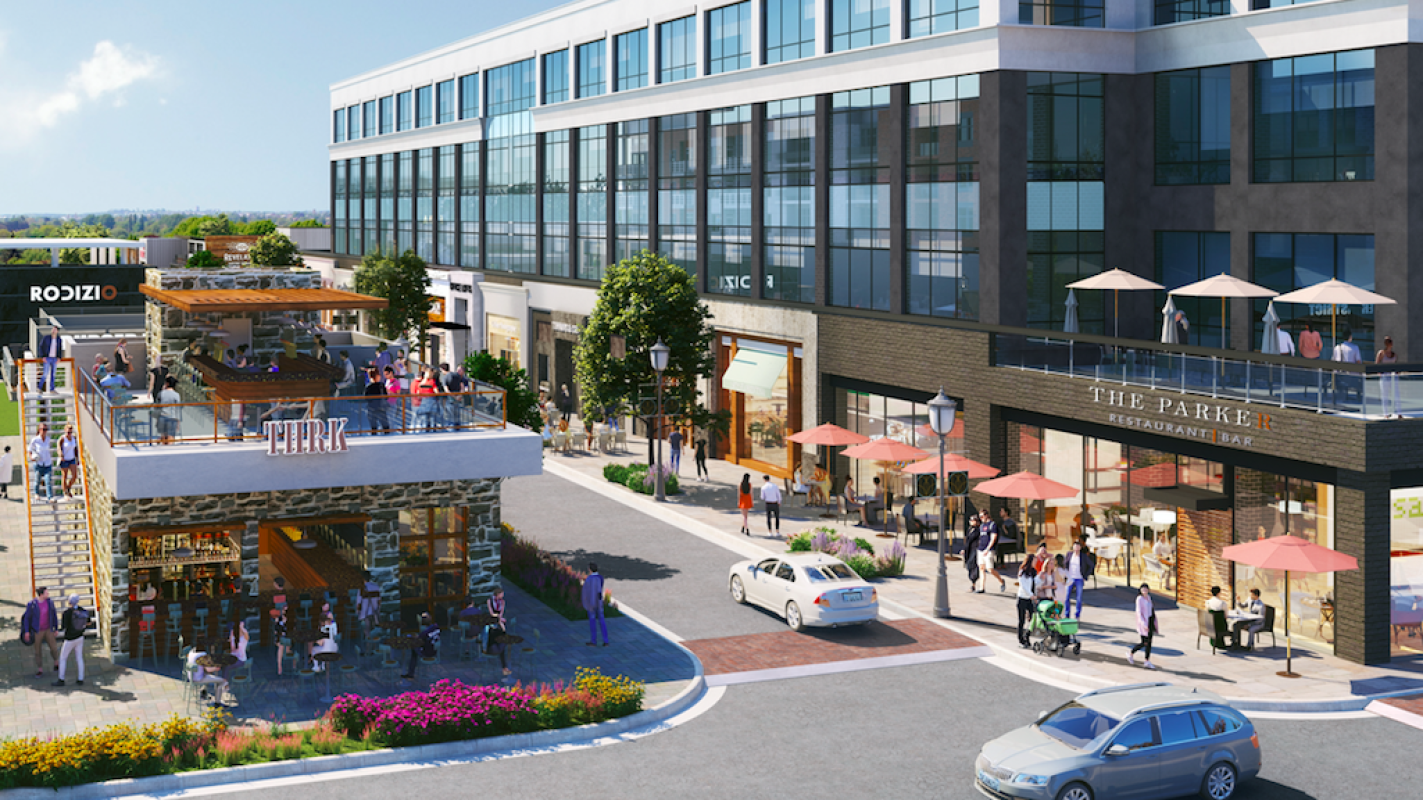

Ownership Type: Private developer
Key Site: Medley (approximately 43 acres, Johns Creek)
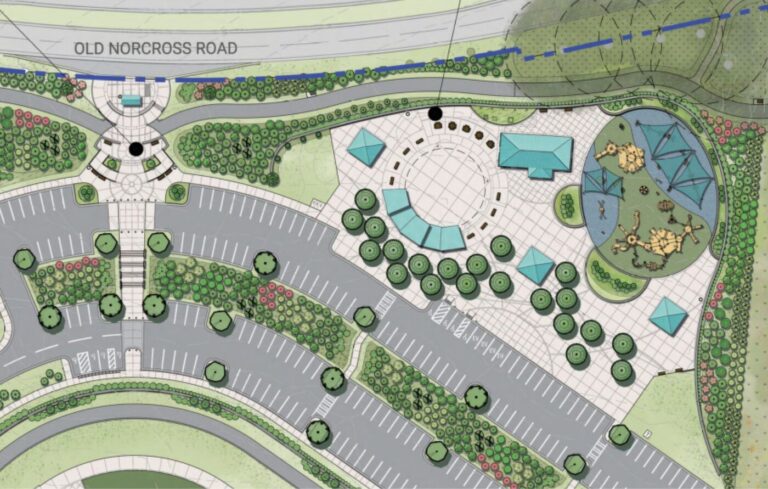
Part of a broader Town Center vision, this large tract demonstrates how a single acquisition can anchor a city’s emerging commercial core. Construction activity and phased development timelines illustrate concentrated ownership influence over retail gravity in Johns Creek.
Corridor-Level Control: Where Land Power Concentrates
Land control in North Fulton is not evenly distributed.
It concentrates along commercial spines:
- North Point corridor
- Windward Parkway
- Westside Parkway
- Emerging Town Center areas
In these corridors, a small number of ownership groups control large, contiguous sites. As a result, a handful of strategic decisions can reshape entire districts — even without sweeping municipal policy changes.
This dynamic creates asymmetric negotiation realities for cities:
- Institutional owners engage in multi-year entitlement processes with infrastructure considerations.
- Smaller private owners typically focus on yield and incremental improvements.
Both coexist along the same roads, but their influence is not equal.
REIT vs. Institutional Capital vs. Local Ownership
Three ownership layers produce different development outcomes:
Institutional / Insurance Capital
Large, long-term plays. Focused on entitlement, infrastructure alignment, and sustained repositioning.
Public REITs
Portfolio-driven, tactical capital allocation. Assets may be sold, acquired, or repositioned based on broader market performance.
Local or Private Investors
Often control neighborhood retail centers or smaller strip properties. Less likely to pursue complex rezoning or transformative redevelopment.
This layered structure explains why some properties evolve into mixed-use districts while others remain stable, income-focused retail strips.
Looking Ahead: 2026–2031
Three patterns are emerging:
- Regional malls as redevelopment land banks
Large-format retail properties are increasingly treated as repositionable land rather than fixed-use malls. - Office campuses under pressure to become destinations
Pure office product must evolve into mixed-use environments to remain competitive. - Ownership concentration accelerating change
Control of large contiguous tracts enables strategic repositioning regardless of broader political stability.
For residents of Alpharetta, Johns Creek, Roswell, and Milton, the most important redevelopment signals may not be new renderings — but changes in ownership filings.
Before the construction fencing goes up, the tax parcel data usually tells the story first.
Community Voice
A snapshot of reader views, not a scientific survey.
Explore Community Voice →About the Author


In North Atlanta

What Will Georgia 400’s New Toll Lanes Mean for Your Commute?

Marksman Hiring Event Offers Security Jobs Paying $17 to $20.50 Across Four Communities
Longtime Alpharetta Boutique Expands to Medley in Johns Creek
North Atlanta’s Retail Divide: Sales Range From $8,909 to $49,222 Per Resident

Johns Creek, Roswell and Milton Restaurants Make OpenTable’s Diners’ Choice List
8 of the Best Mexican Restaurants in North Atlanta
IN NORTH ATLANTA