 Exclusive sponsor
Is Alpharetta Reaching Build-Out?
Major local stories and useful updates, once a week.
Drive along GA-400 through Alpharetta today and the question feels natural: is there anywhere left to build?
For three decades, Alpharetta grew outward — new subdivisions, office campuses, retail centers, and eventually dense mixed-use districts. But in 2026, much of the obvious vacant land inside city limits has already been developed. What remains are smaller parcels, redevelopment opportunities, and strategic infill sites.
So is Alpharetta reaching build-out?
What “Build-Out” Actually Means
In planning terms, build-out does not mean construction stops. It means most large, undeveloped tracts are gone. Growth shifts from expansion to refinement — redevelopment, vertical density, and reuse.
In cities like Alpharetta, build-out tends to happen in phases:
- Greenfield phase – Subdivisions and office parks on previously undeveloped land.
- Mixed-use phase – Higher-density projects with retail, residential, and office integrated.
- Infill phase – Smaller, targeted projects within established corridors.
- Redevelopment phase – Aging shopping centers or office properties repositioned or rebuilt.
Alpharetta is firmly in phases three and four.
The GA-400 Corridor Is No Longer Wide Open
The GA-400 corridor shaped Alpharetta’s identity. Easy highway access drew corporate campuses and high-end residential growth. But today, most large parcels near exits 8, 9, 10, and 11 are spoken for.
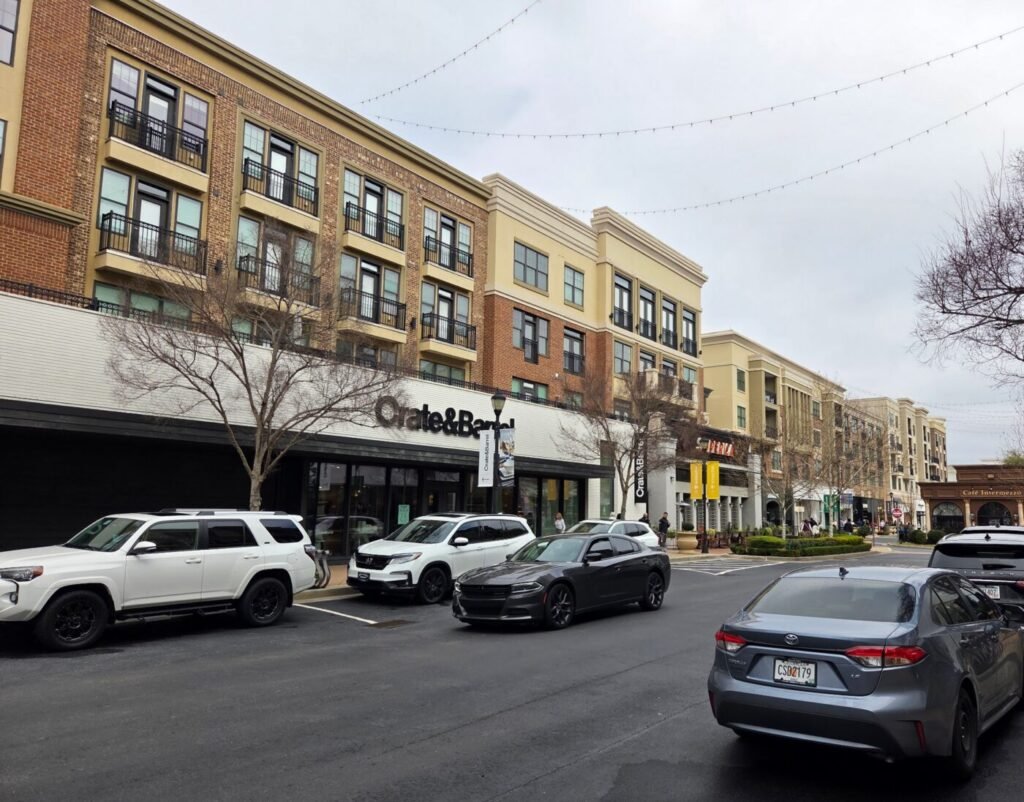
Projects like Avalon shifted the city toward walkable, vertically integrated development. What followed was a pattern: denser housing near retail cores, apartments above shops, structured parking instead of surface lots.
Downtown Is Vertical Now
Downtown Alpharetta has quietly evolved into one of North Fulton’s most structured urban nodes. The grid around Main Street no longer resembles a small-town strip — it’s a coordinated mixed-use environment.
Buildings are taller. Parking is hidden behind storefronts. Residential units sit above restaurants and offices. The model resembles a scaled, suburban-friendly urban district rather than traditional sprawl.
This shift is typical of cities approaching build-out. When horizontal space disappears, vertical layering becomes the next lever.
North Point: The Biggest Redevelopment Signal
Perhaps the strongest indicator that Alpharetta is entering a redevelopment cycle is the future of North Point Mall.
Once a dominant retail anchor, the mall property represents one of the largest remaining contiguous redevelopment sites in the city. Across the country, aging malls are being repositioned into mixed-use districts — housing, office, retail, and entertainment layered together.
If North Point transitions fully into that model, it will mark Alpharetta’s evolution from expansion city to reinvention city.
Infill Is Becoming the Norm
Drive through Alpharetta now and you’ll see:
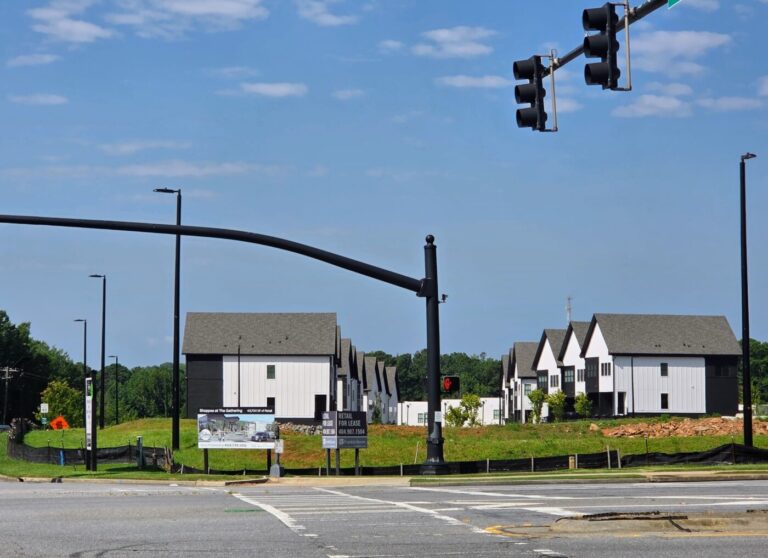
- Small apartment complexes replacing older office buildings
- Corner-lot townhome developments
- Medical office conversions
- Restaurant pads inserted into tight spaces
These are not mega-projects. They are precision developments.
Infill projects typically generate debate. Traffic, school impact, and parking concerns surface quickly. Yet they are often the only way a mature suburb can grow tax base without expanding boundaries.
Alpharetta’s planning approach has leaned toward controlled density near infrastructure, particularly near GA-400 and established commercial corridors.
How This Impacts Housing
For homeowners, build-out often signals stability.
When a city runs out of large tracts:
- Inventory growth slows
- Land values rise
- Teardowns and renovations increase
- Smaller lot subdivisions replace large parcels
Milton still has more open land. South Forsyth continues expanding. But inside Alpharetta proper, opportunities are increasingly limited to redevelopment or infill.
That constraint tends to support long-term property values.
Commercial Development Is Shifting Strategy
Corporate campus construction — once a defining Alpharetta growth engine — has moderated. Instead, office space is being integrated into mixed-use environments.
Hybrid work patterns have changed demand. Companies often want proximity to restaurants and walkable environments rather than isolated office parks.
The mixed-use model pioneered by Avalon has effectively reset expectations for commercial development in North Fulton.
Is There Any True “Open” Land Left?
Yes — but not much.
Remaining parcels are typically:
- Smaller wooded tracts
- Church-owned land
- Underutilized commercial strips
- Older office buildings with redevelopment potential
What’s gone are the 50-acre blank canvases that defined Alpharetta’s 1990s and early 2000s growth cycle.
Planning a Renovation in Alpharetta?
As build-out limits new subdivision growth, renovation activity typically increases. Many homeowners choose to update kitchens, replace aging roofs, or modernize HVAC systems rather than relocate.
Homeowners in Alpharetta and North Fulton can submit structured project details and compare licensed local contractors.
Comparing Alpharetta to Neighboring Cities
In the North Atlanta suburban ring, build-out is uneven.
- Johns Creek is similarly land-constrained and infill-focused.
- Milton still has larger residential tracts but is tightly zoning-controlled.
- South Forsyth (GA-400 south of Exit 13) continues to see outward residential growth.
Alpharetta sits in the middle: mature, dense in parts, still dynamic — but no longer frontier territory.
What Happens After Build-Out?
When cities reach practical build-out, three things typically follow:
- Infrastructure investment increases – Streetscapes, parks, and pedestrian connectivity improve.
- Redevelopment cycles accelerate – Aging retail is repositioned.
- Political debates intensify – Residents weigh density against preservation.
The city’s focus on trail systems, downtown connectivity, and commercial redevelopment signals a long-term strategy of refinement rather than expansion.
Does Build-Out Mean Growth Slows?
Not necessarily.
Growth changes shape.
Population may grow modestly through apartment development and townhomes rather than large subdivisions. Commercial tax base may grow through higher-value mixed-use projects instead of sprawling office parks.
In many cases, post-build-out cities become more economically efficient — generating higher tax revenue per acre.
What Residents Should Watch
Over the next five years, several indicators will clarify Alpharetta’s build-out status:
- The full redevelopment trajectory of North Point
- Height allowances in downtown districts
- Traffic mitigation along GA-400 interchanges
- School capacity management
These decisions will determine whether Alpharetta remains primarily low-rise suburban or gradually shifts toward a denser suburban-urban hybrid.
Key Takeaways
- Alpharetta has largely developed its land, shifting from expansion to infill and redevelopment as it reaches a nuanced build-out.
- Downtown Alpharetta has transformed into a vertical, mixed-use environment, emphasizing housing near retail and integrating office spaces.
- The future of North Point Mall signals a significant redevelopment trend, potentially reshaping Alpharetta’s identity from expansion to reinvention.
- Infill projects are becoming the norm, supporting controlled density as Alpharetta’s larger parcels disappear, impacting housing and commercial strategies.
- Alpharetta’s evolution reflects a broader suburban pattern, moving from rapid expansion to mixed-use development and potential reinvention of aging assets.
Read Also:
Community Voice
A snapshot of reader views, not a scientific survey.
Explore Community Voice →About the Author


In North Atlanta
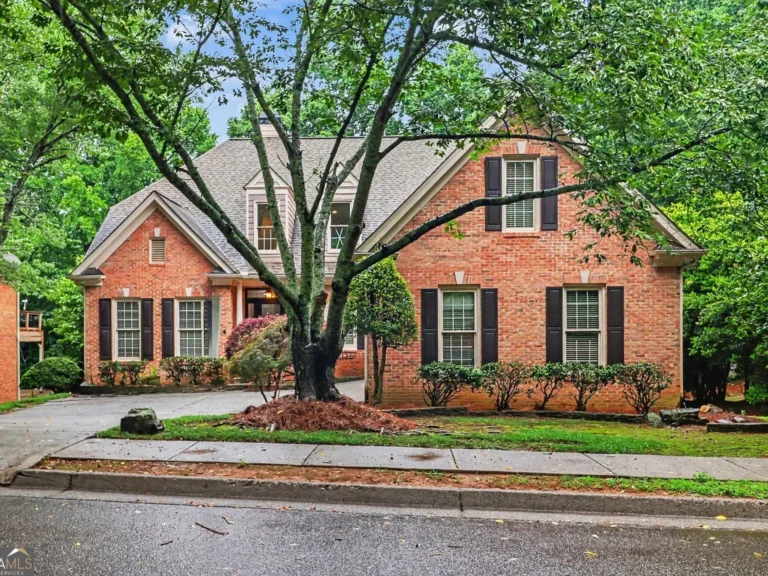
House of the Week: What $885,000 Buys in Windward—and What It Says About Alpharetta’s Market
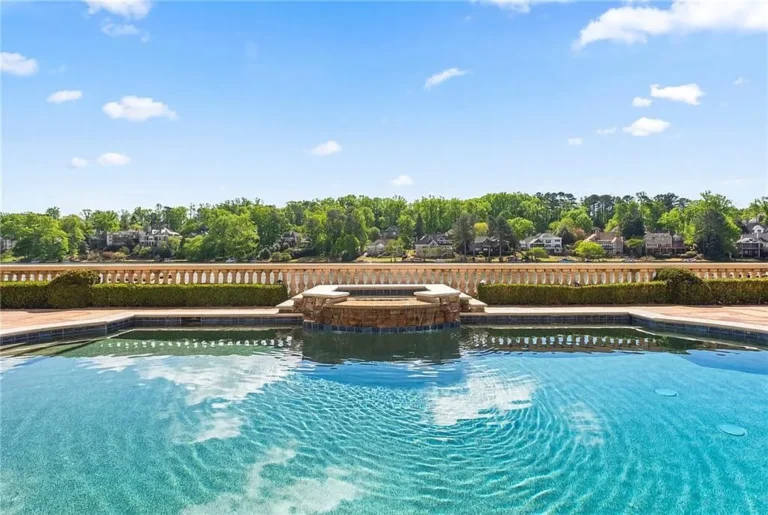
Featured Home of the Week: A $6 Million Lake Windward Estate Hidden Inside Windward’s Peninsula Enclave

How Close Are Robotaxis to Alpharetta and Johns Creek?

The SpaceX IPO Is Far Away. The Money May Not Be
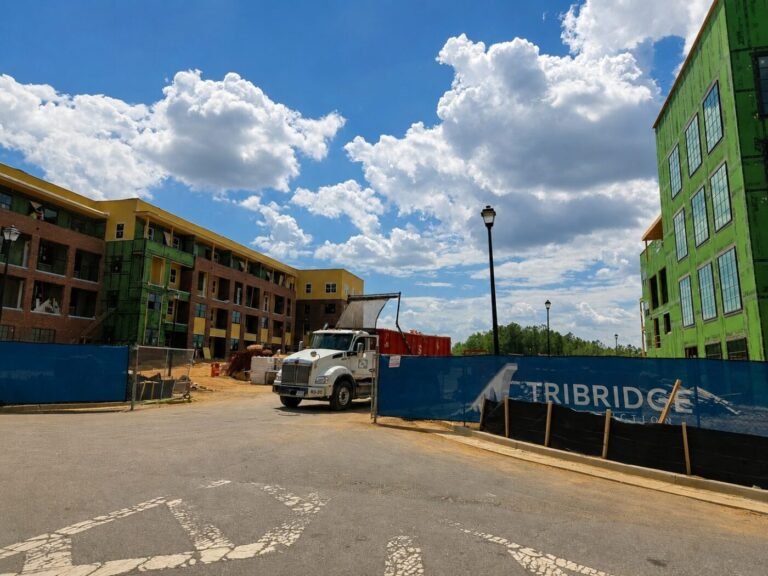
North Atlanta Home Buyers Have Something They Haven’t Seen in Years: Leverage
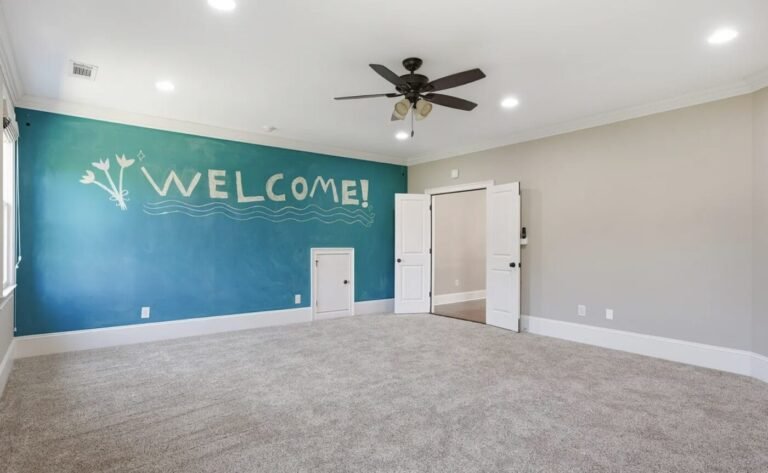
Inside a $2.25 Million Estate in Cumming: What Luxury Looks Like in South Forsyth Right Now
IN NORTH ATLANTA