Lookout Mountain: One Community, Two States — And Two Very Different Ways of Living

Get major local stories and development updates.
The road begins to climb just outside Chattanooga, and almost without noticing, the air shifts. It cools. The noise fades. By the time the first overlook appears, the city below feels distant, and the plateau above feels like its own world.
That quiet separation is more than atmosphere. On Lookout Mountain, a single neighborhood stretches across two states—Tennessee and Georgia—creating a rare living arrangement where neighbors may share the same street but live under entirely different tax systems, school paths, and property rules.
Yet for the people who live here, it still feels like one place.
One Mountain, One Community
At the top of the ridge, the line between Tennessee and Georgia exists mostly on paper. Families cross it daily without thinking. Children grow up together, join the same sports leagues, and move through the same small, tightly connected social circles.
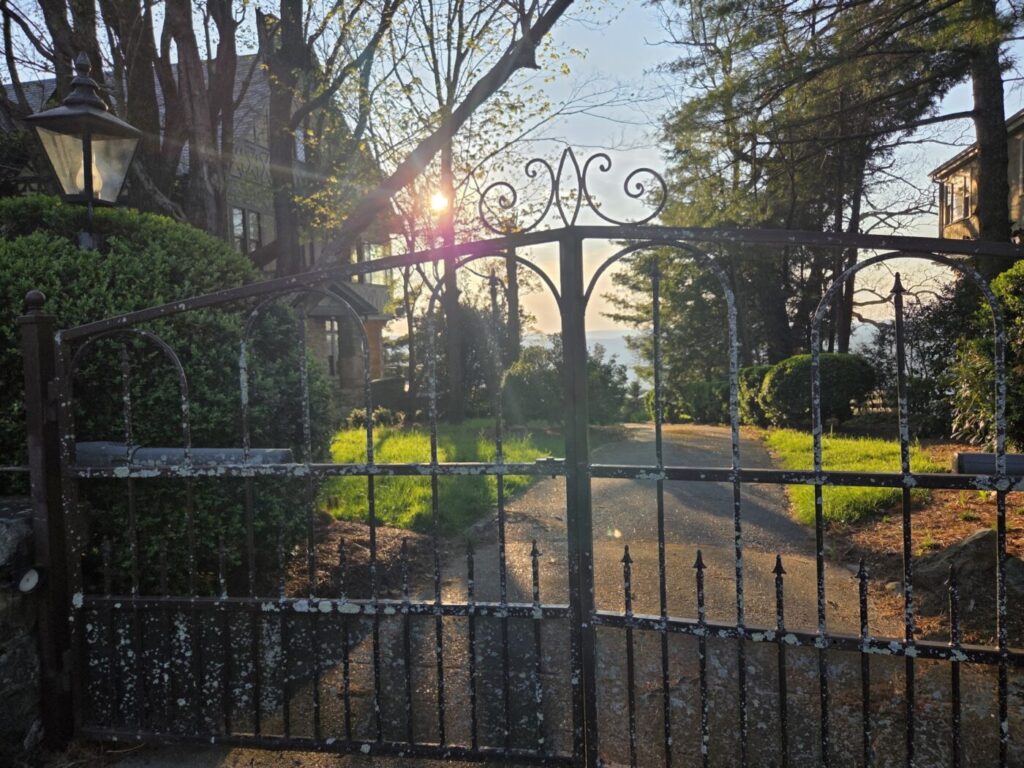
A resident might live in Georgia, shop in Tennessee, attend events at Covenant College, and hike trails that ignore the state line altogether. The shared identity of the mountain tends to override the administrative divide.
Still, beneath that unity, two distinct systems shape daily life.
A Community Built on Vision and Escape
Lookout Mountain’s residential character took shape in the early 20th century, when developers saw the plateau not just as land, but as an experience.
In 1924, Garnet and Frieda Carter launched Fairyland, a planned mountaintop community inspired by European folklore and the natural formations of the mountain itself. Early buyers were assigned lots through a lottery system, an unusual approach that added to the sense of novelty and excitement.
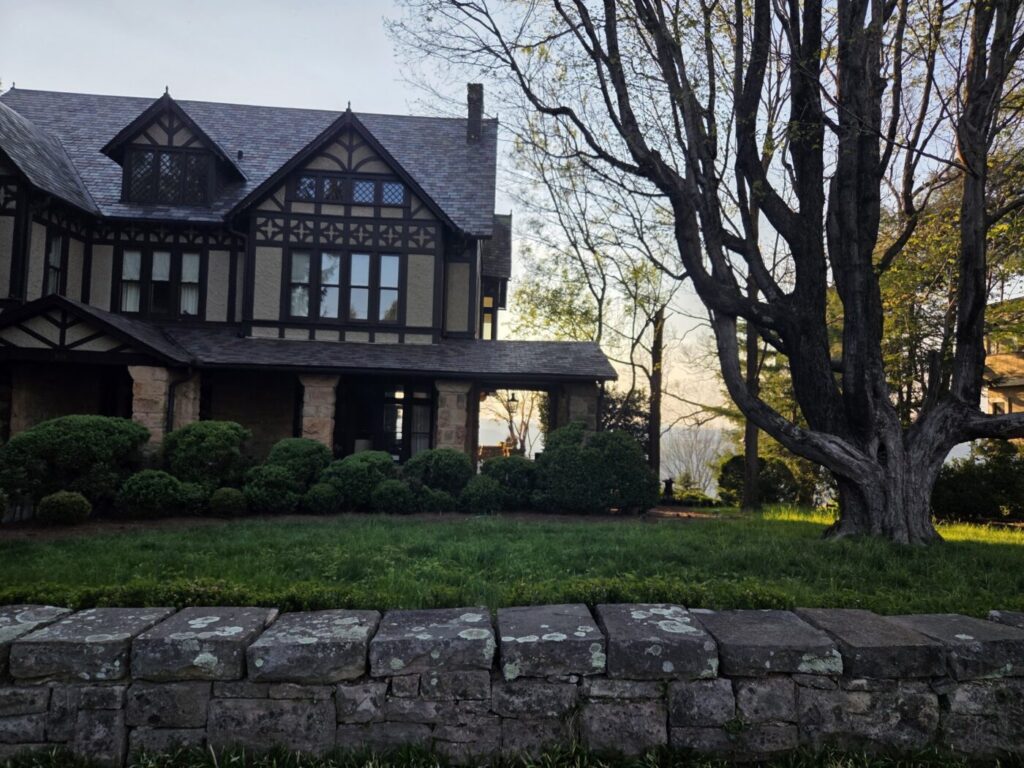
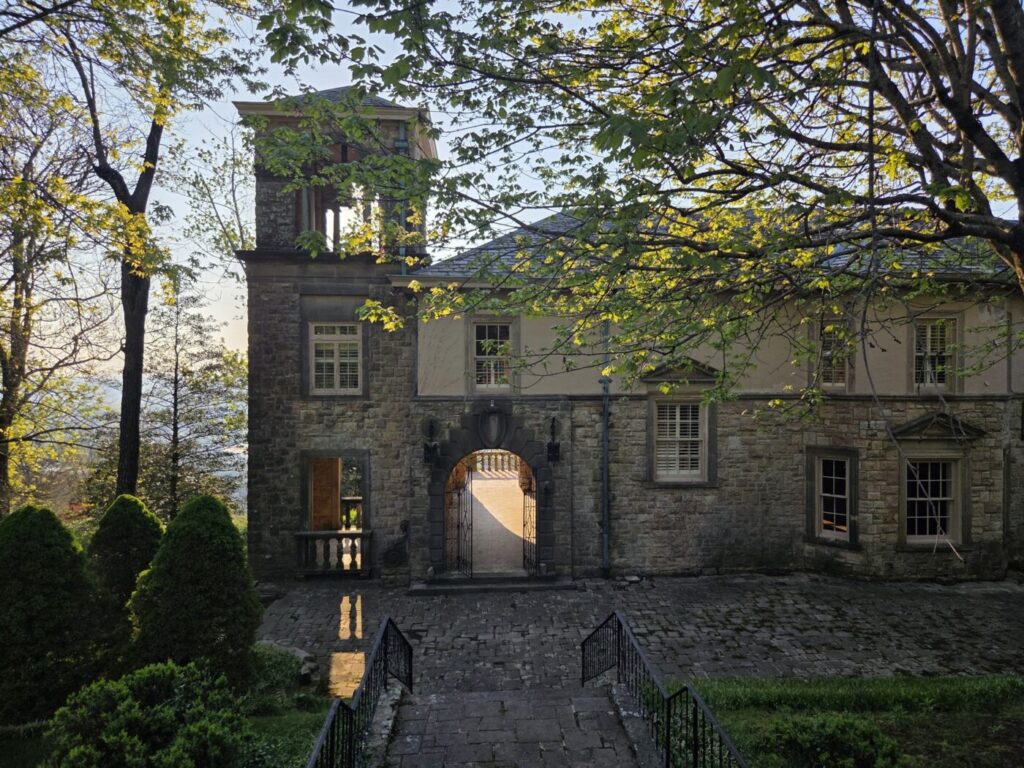
From that era came some of the mountain’s defining features: stone cottages, winding roads, and landmarks like the Fairyland Club. Even today, parts of the Georgia side retain that original architectural identity, blending into the landscape rather than standing apart from it.
The Tax Divide That Shapes Decisions
For many residents, the choice between the Tennessee side and the Georgia side comes down to a careful financial calculation.
Tennessee offers a clear advantage: no state income tax. For high earners, that difference alone can mean significant annual savings.
Georgia, by contrast, applies a flat income tax rate—5.39% in 2026—though it offsets some of that burden with lower sales taxes and exemptions on groceries.
Tennessee leans heavily on consumption taxes, with combined rates reaching around 9.25% and even applying to groceries. Georgia’s combined rate is lower, around 8%, and everyday essentials tend to cost less.
Property taxes add another layer of complexity. Tennessee assesses homes at 25% of appraised value, while Georgia uses a 40% assessment ratio. The final tax bill depends on local rates, but the difference in calculation often surprises new buyers comparing identical homes across the state line.
Two Housing Markets on the Same Ridge
The housing landscape mirrors that divide. On the Tennessee side, space is limited. Much of the land is already built out or protected, creating a market defined by scarcity. As of early 2026, average home values approach $1 million, with properties along the brow—those with expansive valley views—regularly reaching several million dollars.
These homes tend to carry history with them. Stone cottages, legacy estates, and mature landscaping define the streetscape.
The Georgia side offers more variety. Prices are generally lower, with many homes in the $400,000 range, alongside newer developments and larger properties extending farther south.
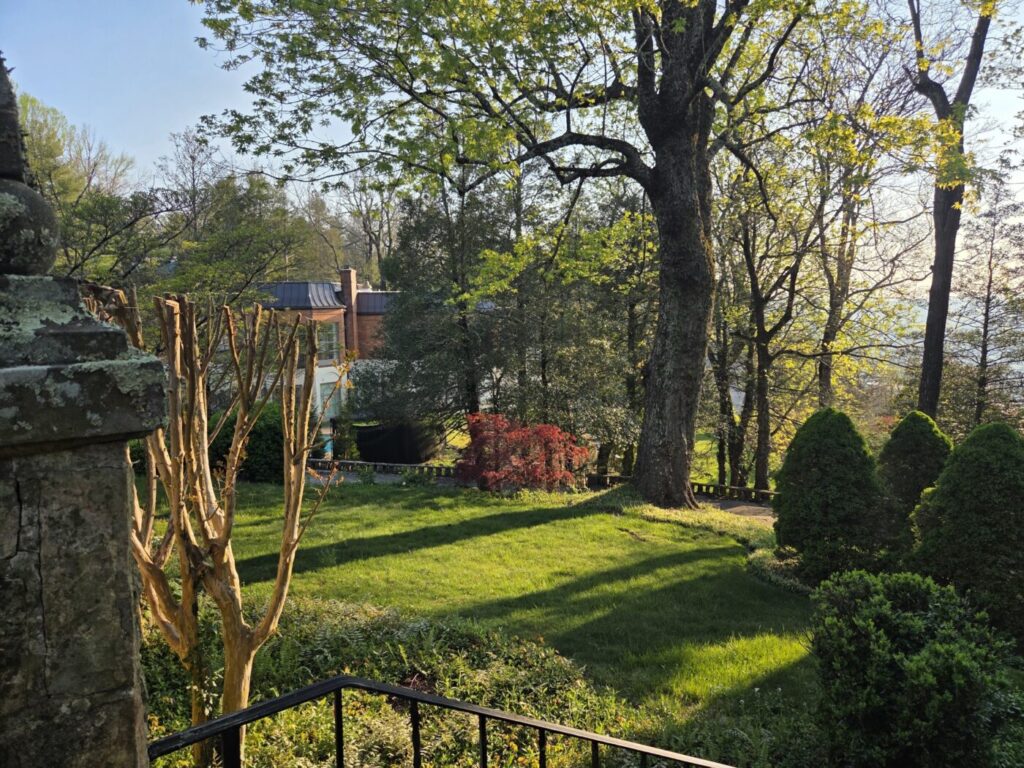
Neighborhoods like Fairyland preserve the mountain’s early character, while newer communities introduce modern designs and lower-maintenance options. Further down the ridge, developments begin to take on a different tone entirely—larger lots, farm-style living, and, in some cases, full resort-style communities.
The Rise of the “New Mountain” Lifestyle
In recent years, the southern portion of Lookout Mountain has seen the emergence of a different kind of living experience.
Communities like McLemore and Cloudland Station combine natural scenery with curated amenities. Golf courses, boutique hotels, and master-planned layouts create an environment that feels closer to a destination resort than a traditional neighborhood.
These developments attract buyers from beyond the region—second-home owners, retirees, and those looking for a mountain setting within driving distance of major cities.
Education as a Unifying Force
If anything ties the two sides together, it is education. Both Lookout Mountain Elementary in Tennessee and Fairyland Elementary in Georgia rank among the top-performing schools in their states. Families often choose the mountain specifically for access to these schools, and the elementary years create a shared foundation across the state line.
After that, the path changes. The mountain has no public middle or high schools, and most students transition into private schools in Chattanooga. This pattern is so established that it is often considered part of the cost of living on the mountain.
Covenant College adds another layer to the educational environment. Located on the Georgia side, it brings a steady presence of students, faculty, and cultural activity. Residents use its trails, attend events, and interact with the college in ways that extend beyond academics.
A Quiet Life Surrounded by Landmarks
Despite its global recognition as a tourist destination, daily life on Lookout Mountain remains remarkably calm. Attractions like Rock City, Ruby Falls, and the Incline Railway draw visitors from across the country, but residential areas stay tucked away from the crowds. The mountain operates more like a bedroom community than a commercial center.
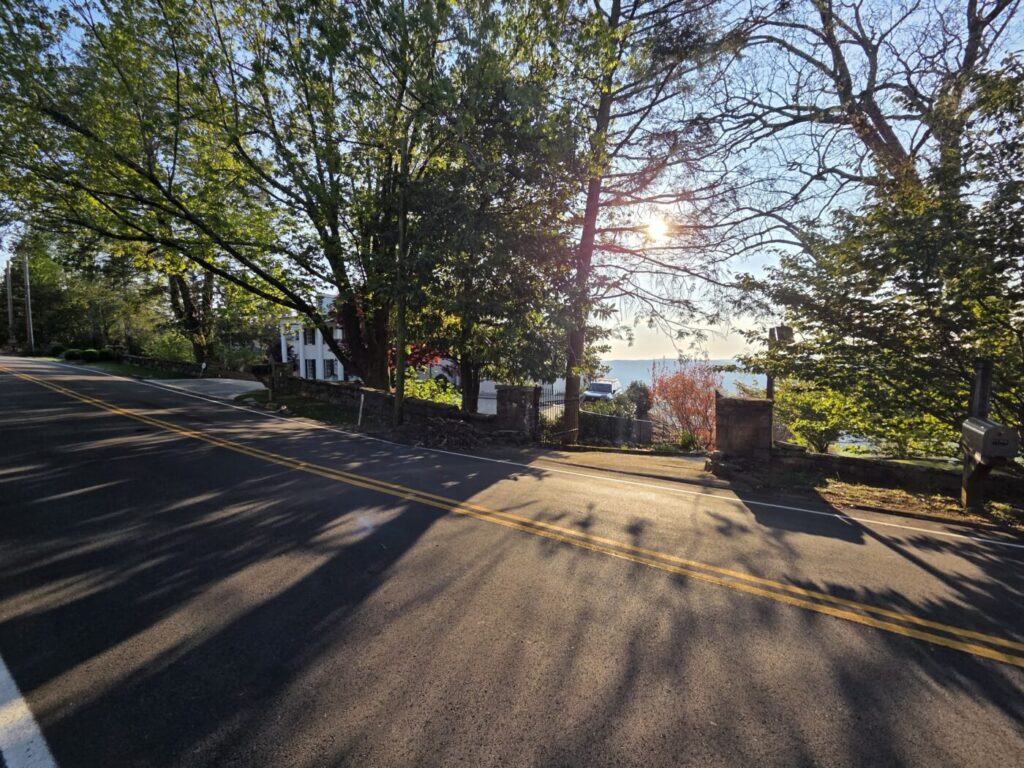
Local businesses are few but essential. A café, a small market, a pharmacy—these places become gathering points rather than conveniences. For anything more, residents head down the mountain into Chattanooga.
Shared Traditions Across State Lines
Even with two governments, two tax systems, and two sets of regulations, the mountain maintains a shared civic rhythm.
Police and emergency services cooperate across jurisdictions. Community events bring everyone together, from holiday traditions to local celebrations. Children grow up with little awareness of the boundary that technically divides their neighborhood.
Even small differences—like different trash pickup days depending on which side of the line a house sits—become part of the mountain’s quiet quirks.
Looking Ahead
As Chattanooga continues to grow, Lookout Mountain remains one of its most sought-after residential areas. Property values are rising, demand is steady, and the balance between preservation and development is becoming more delicate.
The challenge is clear: how to maintain the mountain’s character while accommodating new interest and new forms of living. For now, the answer seems to lie in the same principle that has defined it for decades. One mountain. One community. Even if the paperwork says otherwise.
Read Also:
About the Author


In North Atlanta
North Atlanta’s Homeownership Divide Spans 31 Percentage Points
Medley Opens First Access to 133 Townhomes in Johns Creek
20-Acre Buford Highway Tract Hits Market at $5.08 Million
North Atlanta Added 11,000 Residents, but the Growth Is Concentrated in Three Cities
North Fulton Is Getting Older. Can the Next Generation Still Afford to Live Here?
New Model Home Opens as Coal Mountain’s Mixed-Use Community Takes Shape
IN NORTH ATLANTA