Democrats Win Georgia Utility Commission Majority. What Changes for Your Power Bill?
Hubbard and Edwards won Georgia’s PSC races. The new majority will oversee Georgia Power rates, but the election does not automatically lower bills.

Major local stories and useful updates, once a week.
Georgia voters have handed Democrats a majority on the state’s utility commission, changing who will oversee Georgia Power’s rates and plans for supplying electricity. The result gives the party a chance to pursue its promises on energy costs, but it does not automatically reduce a household’s next bill.
Peter Hubbard won reelection to the Public Service Commission’s District 3 seat, defeating former commissioner Fitz Johnson. Shelia Edwards defeated Josh Tolbert for the open District 5 seat. The two victories will give Democrats three of the five seats when the new terms begin in January. Georgia Public Broadcasting reported both wins Wednesday.
The election returns remain unofficial pending certification. Commissioners represent geographic districts but are elected by voters statewide.
What changes for North Atlanta households
For Georgia Power customers, the commission decides the rates the company may charge and reviews its long-term electricity-supply plans. Those decisions affect how the costs of power plants, grid investments and other utility expenses reach customers.
For customers of an electric membership corporation or a city-owned utility, the connection is different. The PSC does not set those providers’ retail electricity rates. EMCs and municipal systems have their own governing bodies, even though the commission has limited responsibilities involving matters such as service territories.
Rates and data centers will test the new majority
Hubbard and Edwards campaigned on energy affordability and greater scrutiny of utility spending. The growth of data centers, and the question of who pays for the infrastructure to serve them, helped drive the debate. Georgia Recorder reported that Hubbard wants a greater role for clean energy and stronger accountability for data-center costs.
The commission must weigh those goals against its responsibility to maintain reliable service and allow regulated utilities a reasonable opportunity to earn a return. Rate changes require regulatory decisions, rather than following directly from campaign promises.
The practical question for customers is what the new majority does when utilities bring spending plans and rate requests before it: which costs it accepts, which it challenges and how those decisions affect bills.
For readers sorting through natural-gas charges as well, our guide to the Atlanta Gas Light base charge explains why changing marketers does not remove that part of the bill.
Community Voice
A snapshot of reader views, not a scientific survey.
Explore Community Voice →About the Author

In North Atlanta

Fulton Voters Back School Tax Renewal, Advancing $1.3 Billion Capital Plan
Keisha Lance Bottoms Wins Georgia, Becoming First Black Woman Elected Governor in U.S. History

Georgia Election Live: Morning Results and North Atlanta Updates
The First Election Results Arrive Tonight. The Final Count Takes Longer.
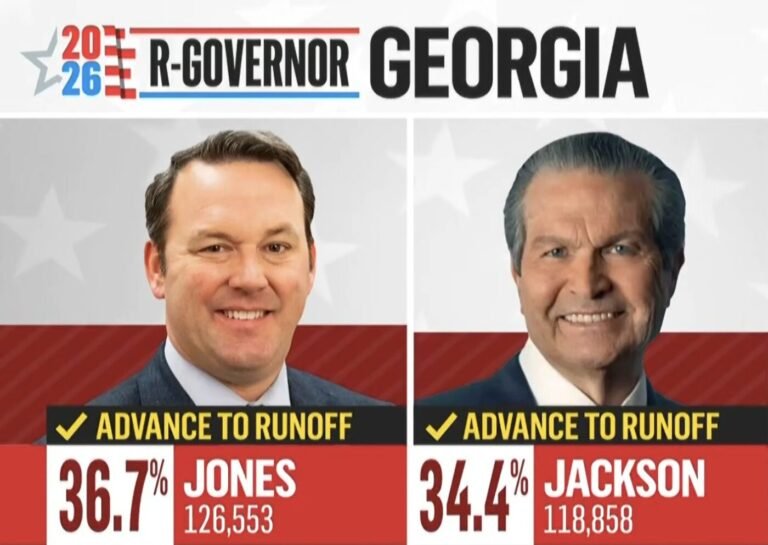
Georgia’s $110 Million Governor Primary Moves Into Overtime

Mike Collins Won the GOP Race. Now Comes the North Atlanta Test.
IN NORTH ATLANTA