Texas Wants to Cut a Year From the Bachelor’s Degree
Texas is developing three-year bachelor’s degree programs to reduce credit requirements and college expenses. The pilot at Our Lady of the Lake University could reshape higher education while raising questions about academic value.
Get major local stories and development updates.
Texas is preparing to challenge one of higher education’s most durable conventions: that a bachelor’s degree should require four years and roughly 120 credit hours.
Gov. Greg Abbott has directed the Texas Higher Education Coordinating Board to design a statewide framework for three-year degrees in high-demand fields. A working group of university leaders, employers, faculty members and accreditors must recommend academic standards, eligible programs and necessary legal changes by Dec. 31. Abbott plans to seek legislative approval in 2027.
The proposal is more significant than allowing ambitious students to finish a conventional degree early through summer courses or heavy class schedules. The emerging national model reduces the degree itself, generally from 120 credits to approximately 90.
That could eliminate an entire year of tuition, housing, meals and transportation while allowing graduates to begin earning sooner. It could also force colleges to answer a more difficult question: Which quarter of the traditional bachelor’s degree can disappear without diminishing its value?
Texas already has a working example
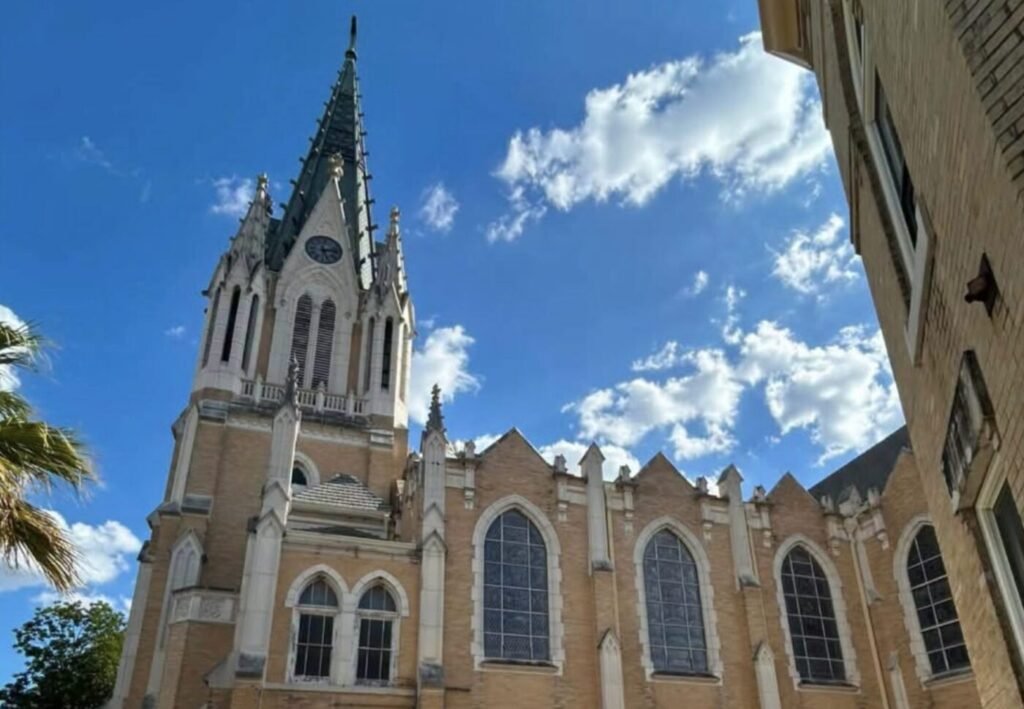
The first reduced-credit bachelor’s programs in Texas are beginning this fall at Our Lady of the Lake University in San Antonio.
Its new three-year degrees require 94 to 96 credits completed over six conventional semesters. Students take the same general-education, major and minor requirements as those in the university’s four-year programs, but many electives have been removed. Initial options include psychology, social work, criminology and childhood studies. The university estimates that the shorter route will reduce tuition by approximately 25%.
For families, the appeal is immediate. College costs extend well beyond the bill from the bursar, and an additional year on campus can mean another lease, another meal plan and another year without full-time earnings.
A shorter curriculum may also help students who never complete a four-year program. Fewer than half of Texas undergraduates at four-year institutions graduate within four years, and completion rates are considerably lower among students from low-income families.
A cheaper degree must still travel
Three-year degrees are spreading well beyond Texas. Nearly 120 reduced-credit programs now operate across 26 states, frequently in business, technology and other employment-focused subjects.
Their long-term value, however, remains largely untested. An accredited degree may satisfy one employer but fail to provide enough prerequisite coursework for a graduate program, professional license or transfer to another institution. Engineering, nursing, teaching and other tightly regulated fields may be particularly difficult to reduce.
The distinction may not matter to a graduate entering a company that cares primarily about skills and experience. It could matter greatly several years later if that same graduate applies to law school, seeks a professional credential or changes careers.
There is also a broader educational argument. Electives can appear expendable when measured against the requirements of a first job, but they are often where students encounter history, literature, science or ideas outside their chosen field. Removing them makes a degree more efficient—and potentially narrower.
Texas now has an opportunity to test whether the bachelor’s degree can become less expensive without becoming less valuable. If its large public university system adopts three-year programs at scale, other fast-growing Sun Belt states are likely to watch closely.
The strongest version will not simply promise students a quicker diploma. It will give them a credential that employers, graduate schools and licensing boards still respect long after the saved year has passed.
If you’ve been following growth and change around here, these stories are worth a look too.
About the Author


Crossroads Animal Clinic
Welcome to Crossroads Animal Clinic, Suwanee's premier veterinary clinic, serving the community since 1998. Our dedicated team of professionals is committed to providing exceptional...
Notice an update, correction, or detail we should include? Tell the editor. Seen something new around you? Send us a local tip.
Most Popular
 Siemens’ Alpharetta Rail Operation Is Hiring From $20 an Hour to $95,000 a YearBusiness & Development
 Barnes & Noble Is Opening Bookstores Again — and the Sun Belt Is Helping Drive the ComebackBusiness & Development