The AI Boom Is Creating Factory Jobs in Tulsa to Power Data Centers in Texas
Tulsa’s Crusoe expands manufacturing to support AI data centers in Texas, tripling local factory jobs to over 300. This growth highlights a broader industrial network fueling AI infrastructure across the Sun Belt.
Jobs, development, business, housing and growth stories from across the Sun Belt.
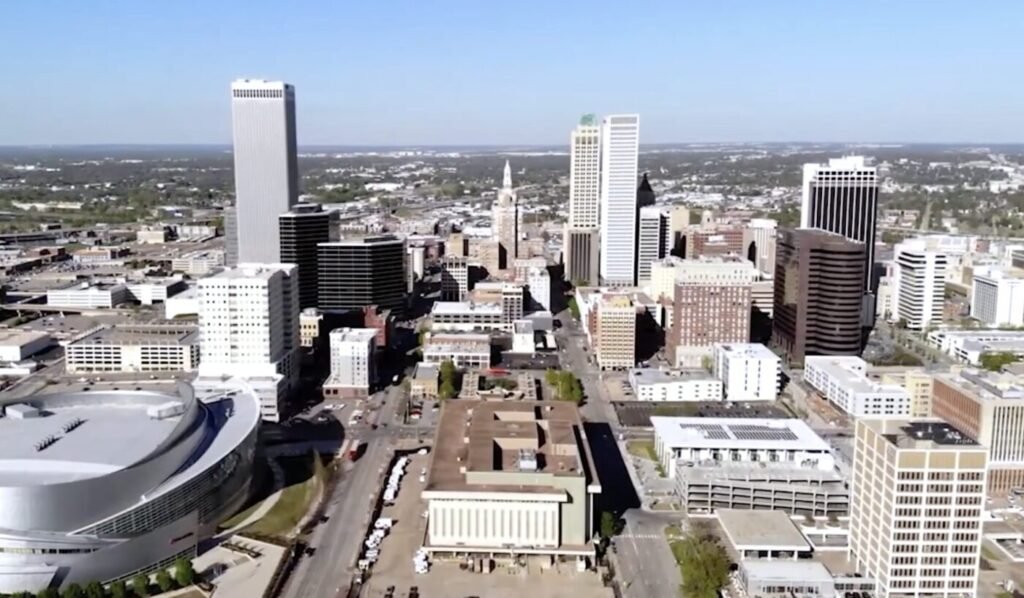
The artificial intelligence boom is often described in terms of chips, software and massive data centers. In Tulsa, Oklahoma, it increasingly looks like welding stations, electrical assemblies and factory jobs.
Crusoe opened a second manufacturing facility in Tulsa on Monday, adding 400,000 square feet of production space devoted to electrical equipment used in large AI data centers.
The company now employs more than 300 manufacturing workers across its two Tulsa facilities, triple the 100 jobs originally expected when its first Tulsa operation opened in 2024. The work includes engineering, welding, fabrication, powder coating and electrical assembly.
That makes the expansion part of a less visible side of the AI economy: the growing industrial network required to build the enormous computing facilities spreading across Texas and other parts of the Sun Belt.
AI needs more than computer chips
Crusoe’s Tulsa plants manufacture equipment including medium-voltage switchgear, low-voltage switchboards, electrical enclosures, industrial controls and custom copper busbars.
Those components help move and control the enormous quantities of electricity needed inside modern data centers.
Thinking About Moving to the Carolinas?
A short scouting trip can help you experience the neighborhoods, commutes and everyday character of a possible new home. Compare places to stay in several of the Carolinas’ fastest-growing destinations.
North Atlanta Star may earn a commission when readers book through these links, at no additional cost to the traveler.
Crusoe says its Tulsa operations have already produced more than 2,500 switchboards for the company’s Stargate project in Abilene, Texas.
The connection between Tulsa and Abilene illustrates how far the economic footprint of AI infrastructure can extend. A data center built in West Texas may generate construction work locally, but the equipment inside it can create manufacturing jobs hundreds of miles away.
That supply chain is likely to become increasingly important as AI companies race to secure computing capacity.
Tulsa feeds a much larger Texas project
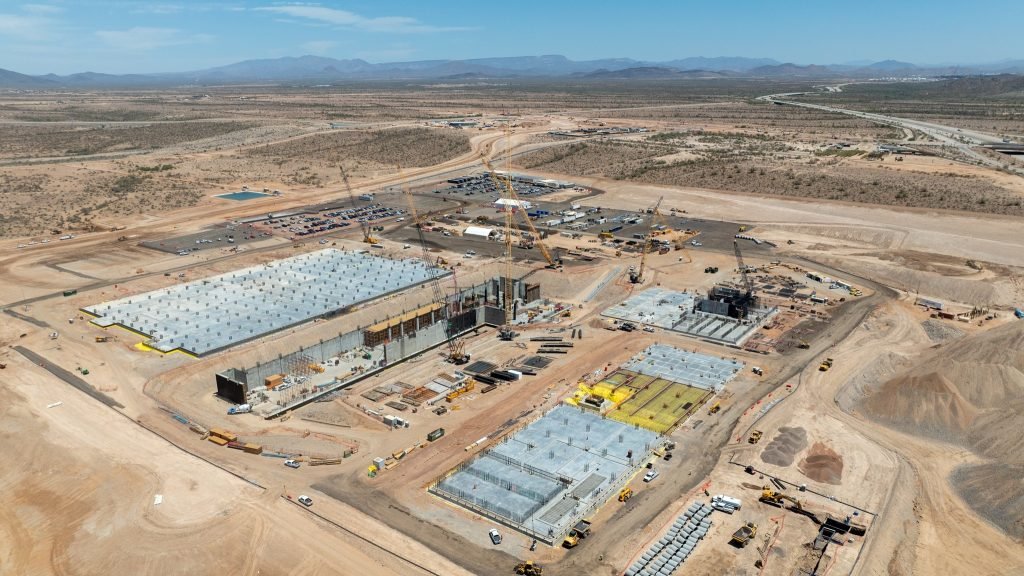
Crusoe’s Abilene development is one of the largest AI infrastructure projects underway in the country.
The original Abilene campus is planned for eight buildings covering about 4 million square feet with 1.2 gigawatts of capacity. The first portion is already operating, while additional buildings have been under construction.
Crusoe announced another 900-megawatt campus in Abilene in March, this one designed to support Microsoft. Combined with the company’s existing development, the full Abilene site is expected to reach roughly 2.1 gigawatts of capacity.
The scale helps explain why manufacturing electrical equipment has become strategically important. Building the computers is only part of the challenge. Data centers also need substations, switchgear, cooling systems, backup power, transmission infrastructure and thousands of other components before the servers can operate.
Instead of relying entirely on outside suppliers, Crusoe has been bringing more of that production inside the company.
It says manufacturing components itself allows equipment that can sometimes take months to obtain through conventional supply chains to be produced much more quickly.
A different kind of AI job
Much of the public discussion around artificial intelligence employment has focused on programmers, engineers and white-collar jobs that could either be created or disrupted by automation.
Tulsa presents another side of the story.

The workers building AI infrastructure include welders, fabricators, electricians and manufacturing technicians.
Those occupations are unlikely to appear in demonstrations of new AI models, but the physical expansion of artificial intelligence cannot happen without them.
Crusoe’s broader manufacturing footprint now totals roughly 1 million square feet nationally, according to the company. Its Tulsa workforce is part of a larger operation that includes manufacturing and infrastructure projects in several states.
The expansion also arrives as the company’s data-center business grows rapidly. Crusoe said in June that it had contracted 4.9 gigawatts of AI infrastructure across its projects and cloud operations, with a development pipeline exceeding 40 gigawatts.
That level of construction could create opportunities far beyond the cities where the data centers themselves are located.
The AI economy is becoming an industrial economy
For Tulsa, the immediate story is straightforward: a second major factory has opened and an employer that initially expected about 100 local workers now employs more than 300.
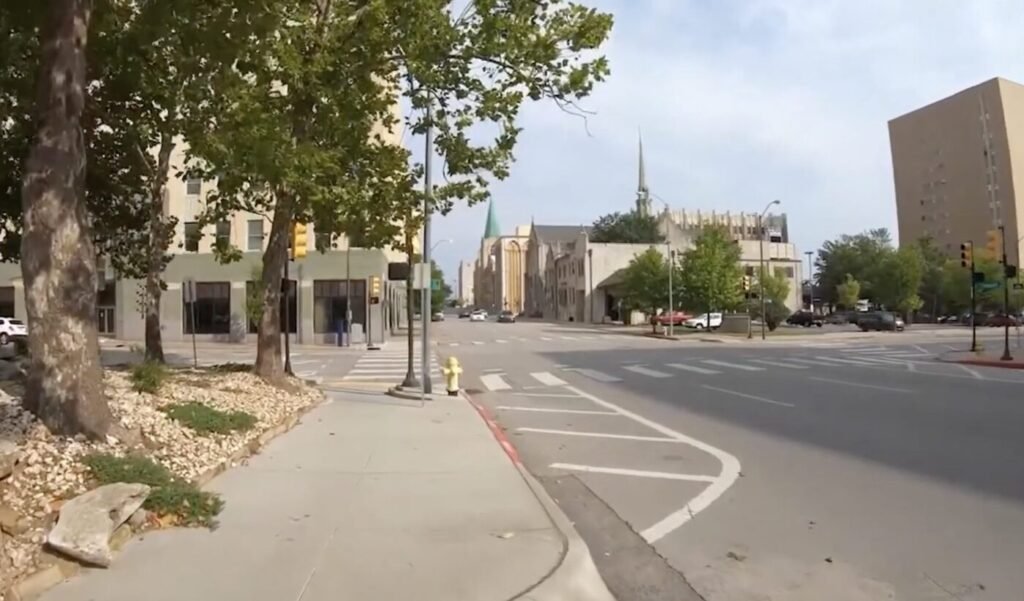
But the larger story stretches across the Sun Belt.
Texas is becoming one of the country’s largest centers for AI data-center construction. Oklahoma is supplying some of the electrical equipment needed to build it. Other states are attracting power generation, semiconductor factories, battery plants and additional pieces of the same expanding infrastructure network.
The result is an AI economy that increasingly resembles an industrial buildout.
The most visible products may exist on screens, but behind them are factories, power plants, electrical systems and thousands of workers building equipment that has to exist before the next generation of artificial intelligence can run.
If you’ve been following growth and change around here, these stories are worth a look too.
About the Author

Notice an update, correction, or detail we should include? Tell the editor. Seen something new around you? Send us a local tip.