The Sun Belt’s Battery Belt Is Losing Jobs as EV Factory Plans Shrink and Shift
The Sun Belt’s Battery Belt is losing jobs as electric vehicle factory plans shrink and shift toward energy storage. Economic investments are changing amid slower EV demand and federal policy changes across Kentucky, Tennessee, and other Southeastern states.
Jobs, development, business, housing and growth stories from across the Sun Belt.
For several years, some of the biggest economic-development announcements in the South came with enormous numbers attached: billions of dollars for battery plants, thousands of promised jobs and new factories intended to supply an American electric-vehicle industry.
Now parts of that industrial boom are being rewritten.
Battery and electric-vehicle projects in Kentucky, Tennessee and other manufacturing states are being canceled, delayed, downsized or converted to different uses as automakers adjust to weaker-than-expected EV demand and major changes in federal policy.
The result is not a simple collapse of Southern auto manufacturing. Some factories are still hiring, some are being repurposed, and new investments continue. But the jobs arriving in several communities increasingly look different from the jobs originally promised.
Nearly $20 billion in projects were canceled in one year
A Reuters analysis of data from Atlas Public Policy found that nearly $20 billion in U.S. EV-related manufacturing projects were canceled in 2025.
Projects canceled between January 2025 and August 2026 had been expected to create roughly 27,000 jobs. That total does not include projects that were delayed or reduced rather than completely canceled, meaning the employment impact extends beyond that figure.
Thinking About Moving to the Carolinas?
A short scouting trip can help you experience the neighborhoods, commutes and everyday character of a possible new home. Compare places to stay in several of the Carolinas’ fastest-growing destinations.
North Atlanta Star may earn a commission when readers book through these links, at no additional cost to the traveler.
The contraction is especially relevant to the South. A new Atlas Public Policy report says six Southeastern states — Alabama, Florida, Georgia, North Carolina, South Carolina and Tennessee — still account for about 40% of announced U.S. EV manufacturing investment and 32% of announced EV manufacturing jobs.
That amounts to nearly $74 billion in announced investment and more than 61,300 jobs.
But Atlas also found that manufacturers across the region increasingly spent the past year canceling, postponing, downsizing or relocating projects, while some battery companies began shifting capacity toward stationary energy storage instead of electric vehicles.
Kentucky expected 5,000 jobs. The new plan is much smaller
Few places illustrate the shift more clearly than Glendale, Kentucky. Ford and South Korea’s SK On announced plans in 2021 to invest $5.8 billion in two battery plants there, with an expected workforce of about 5,000.
The project was the largest single economic-development investment Kentucky had announced at the time.
Local preparations followed. Roads were planned around the expected factory traffic. Developers anticipated thousands of new homes. Communities prepared for population growth tied to workers who were expected to arrive.
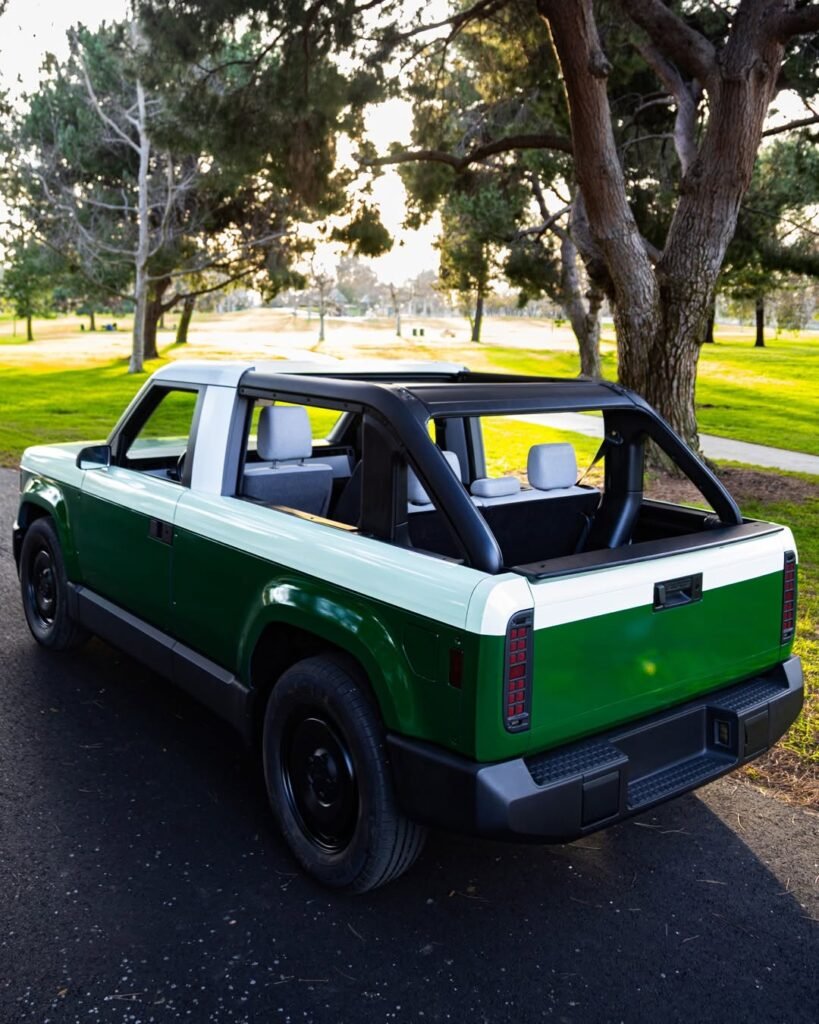
Then the market changed. About 1,500 workers were laid off from the Glendale battery operation in December 2025, according to Reuters. Ford now says it plans to employ approximately 2,100 people at the site when it begins producing batteries for energy-storage systems in late 2027.
That is still a sizable manufacturing operation. But it is less than half of the 5,000 jobs initially associated with the development.
Ford has created a new business, Ford Energy, that plans to manufacture battery energy-storage systems for utilities, commercial customers and other large electricity users. The company says it expects to begin shipping systems in 2027, with annual production capacity of 20 gigawatt-hours.
Ford is already advertising engineering, manufacturing, finance and technology jobs in Glendale for the new operation. The factory is therefore not simply disappearing. Its purpose is changing.
AI and data centers are giving batteries a second market
That change connects the Battery Belt to another major Sun Belt economic story: the rapid growth of data centers.
Large artificial-intelligence facilities require tremendous amounts of electricity, and utilities and data-center operators are increasingly interested in battery systems that can store power and help stabilize electricity supply.
That creates a potential second life for factories originally designed around electric vehicles.
Instead of building batteries that move cars and trucks, some plants may produce batteries that sit beside power infrastructure.
Ford specifically points to growing energy-infrastructure and data-center demand as a market for its new storage business.
The shift does not necessarily replace all of the jobs originally projected from EV manufacturing.
But it illustrates how quickly industrial investments can change direction when a new market emerges.
Tennessee’s giant Ford project is changing too
About 300 miles south of Glendale, another Ford project is undergoing its own transformation.
BlueOval City in West Tennessee was originally conceived around electric pickup production as part of the same manufacturing expansion that included the Kentucky battery factories.
Ford now says the Tennessee Truck Plant will produce new internal-combustion truck models instead. Production is scheduled to begin in 2029.
Ford says the truck plant will employ approximately 2,300 workers, with battery production and suppliers also located on the nearly six-square-mile campus.
That means one of the most prominent projects of the Southern EV boom is still becoming an automobile factory, but not the factory originally envisioned.
Federal policy changed as EV demand was already slowing
The retreat did not begin with a single cause. U.S. electric-vehicle demand was already growing more slowly than many automakers had forecast. Companies confronted high vehicle prices, consumer concerns about charging and range, and the enormous cost of converting their manufacturing systems.
Federal policy then shifted sharply after President Donald Trump returned to office.
Congress ended the $7,500 consumer EV tax credit in 2025, while the administration changed emissions and fuel-economy policies that had encouraged automakers to increase electric-vehicle sales. Administration officials have characterized the changes as restoring consumer choice rather than using federal rules and subsidies to favor EV adoption.

Automakers have also cited the altered policy environment and falling EV sales when explaining decisions to reduce or redirect investments. Reuters reported that Ford CEO Jim Farley said the drop in EV demand after the federal tax credit expired was an important factor behind the company’s decision to write down billions of dollars in electric-vehicle investments.
The White House told Reuters that previous subsidies had created artificial demand and pointed instead to other manufacturing investments being made under the administration.
The Southeast is not abandoning electric vehicles
The changing factory plans do not mean EV activity has stopped across the South. Atlas Public Policy found that the six-state Southeast surpassed 1 million cumulative new passenger EV sales in its latest reporting period.
About 225,000 new EVs were sold in the region during the most recent 12 months, a 25% increase from the previous year, while used EV sales reached about 140,800.
New investment also continues in parts of the clean-energy manufacturing sector. Atlas recorded $2.5 billion in new manufacturing investment announcements nationwide during the first quarter of 2026, even while cancellations, factory pauses and workforce reductions produced a net loss of about 5,900 planned or existing jobs for the quarter.
During the second quarter, another $2.9 billion in clean-energy manufacturing projects was canceled, affecting about 2,800 jobs, while new solar and electric-grid manufacturing investments helped offset some of those losses.
The picture is therefore more complicated than either a continuing boom or a wholesale retreat.
Communities planned around numbers that can change
The larger question may be what happens outside the factory gates. When a state announces 5,000 jobs, the effects begin long before 5,000 workers arrive.
Cities widen roads. Developers buy land. Apartment complexes and subdivisions are planned. Community colleges build training programs. Restaurants, stores and service businesses prepare for additional customers.
A factory can still succeed after being scaled from 5,000 workers to 2,100. But the surrounding community built its expectations around a different number.
That makes the changing Battery Belt an economic-development lesson as much as an automotive story.
Major industrial projects increasingly arrive with enormous investment totals and employment promises. Yet the technologies they serve can change faster than the factories themselves can be built.
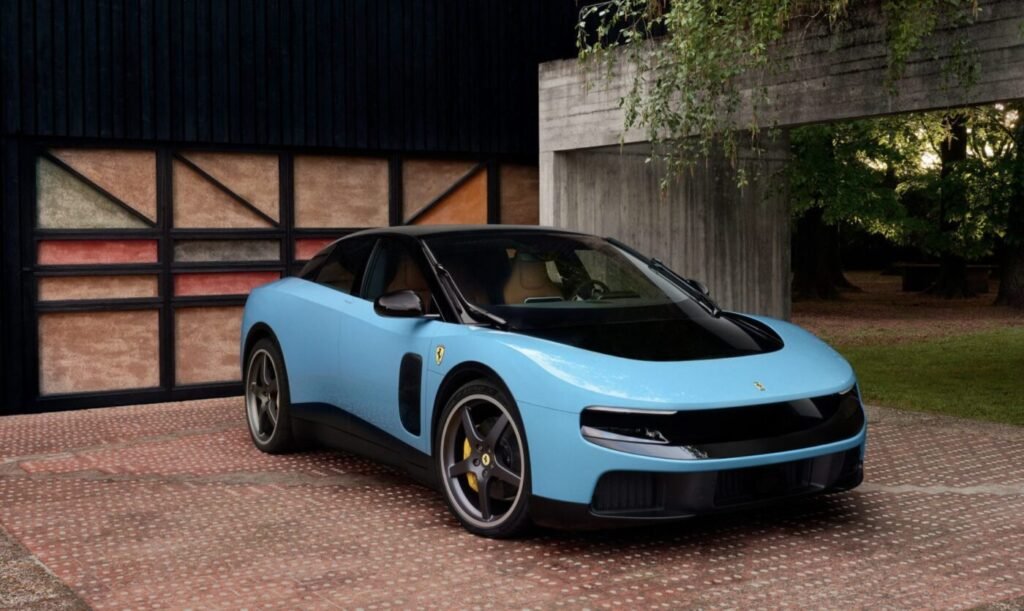
Kentucky’s battery plants may now help store electricity for data centers instead of primarily powering automobiles.
Tennessee’s enormous new Ford complex is preparing to manufacture gasoline-powered trucks rather than the electric pickups originally planned. Other Southern factories may undergo similar transformations.
The Battery Belt is not disappearing. But the version taking shape across the Sun Belt is already different from the one communities were promised only a few years ago.
If you’ve been following growth and change around here, these stories are worth a look too.
About the Author

Across the Sun Belt
Georgia’s Battery Belt Is Changing, but It Is Not Disappearing

Phoenix Can Survive the Colorado River Cuts. The Water Fix Won’t Be Cheap
Sprouts Is Following Sun Belt Growth Into the Next Ring of Suburbs

The Next Sun Belt Highway May Carry Power, Water and Data Alongside Cars

Elon Musk Is Building Something Close to a Company Town on the Louisiana Coast