 Exclusive sponsor
Liz Loreti Took Over a Sandy Springs Nonprofit Facing Closure. Keeping It Open Came First.
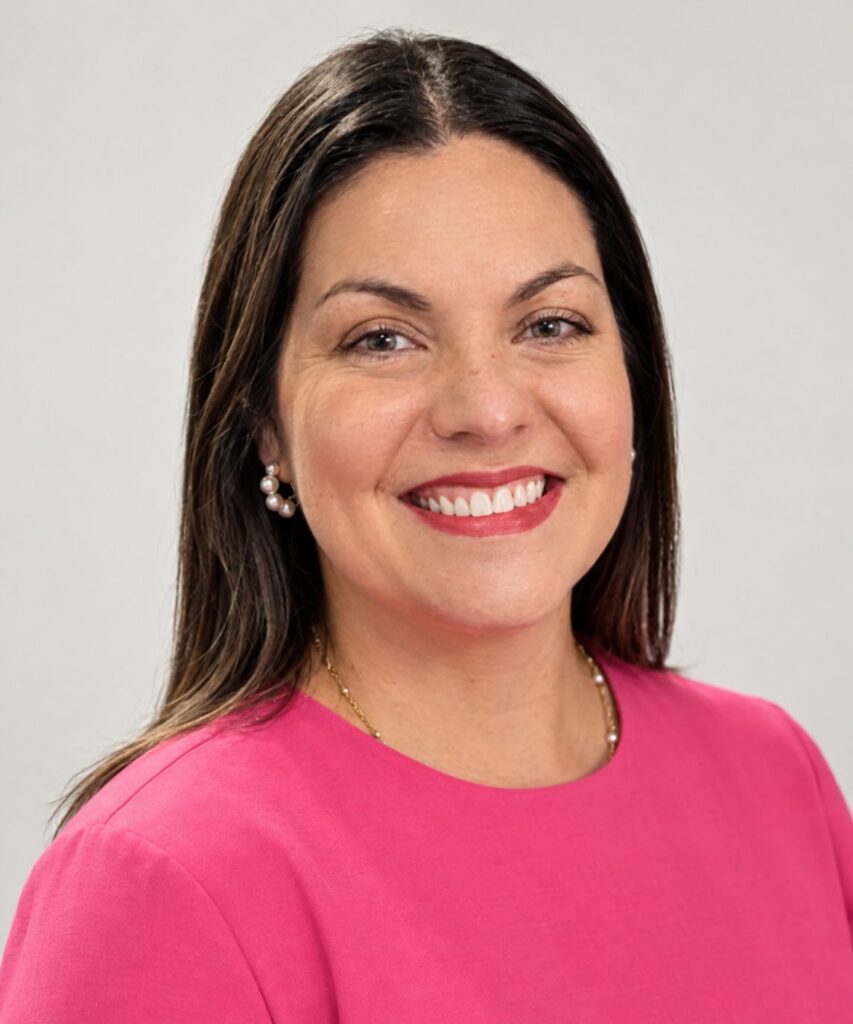
Liz Loreti became executive director of Iris Breast Cancer Rehabilitation as it faced closure. She stabilized funding, restored key programs, and rebranded the Sandy Springs nonprofit to better serve patients.
Major local stories and useful updates, once a week.
Liz Loreti lost a job she loved on a Tuesday in July 2025. The next day, a friend asked whether she could help raise money for a Sandy Springs nonprofit.
The friend was both a patient and a board member at the organization now known as Iris Breast Cancer Rehabilitation. The request eventually led to an offer from the board: become its executive director.
“When I joined, the organization was almost out of funding and closing the doors was a very real possibility,” Loreti told North Atlanta Star.
Her immediate task was to keep services operating while reconsidering how the nonprofit used its money, staff and programs.
Now, Loreti is among the nominees for the Greater Perimeter Chamber’s 2026 Woman of Distinction Award, recognizing local women’s leadership and contributions to the community.
A program cut that did not last
One of Loreti’s early decisions was to pause an exercise program because of funding constraints. Within an hour of notifying participants, she had five patients calling and emailing.
Their message was direct: the program had helped them regain their lives, and they wanted it preserved.
Loreti reworked the arrangements and restored it immediately. The experience changed how she evaluated what the organization provided.
“What I didn’t see when I initially cut the program was that it’s more than exercise,” she said.
The recurring class also gave participants time with familiar people and something they looked forward to each week. What appeared to be one service on a budget had several functions in patients’ lives.
For Loreti, that made decisions about scarce resources more complicated. Keeping the organization operating required changes, but understanding a program’s value meant listening beyond its formal purpose.
A new name during a difficult period
The financial pressure coincided with another substantial undertaking: changing the organization’s name from TurningPoint to Iris.
Loreti said the name TurningPoint had become associated with political organization Turning Point USA, creating a need to distinguish the rehabilitation nonprofit for patients and funders. The organizations were not affiliated.
The change gave the nonprofit a new identity, but it also required explaining that identity while continuing its work.
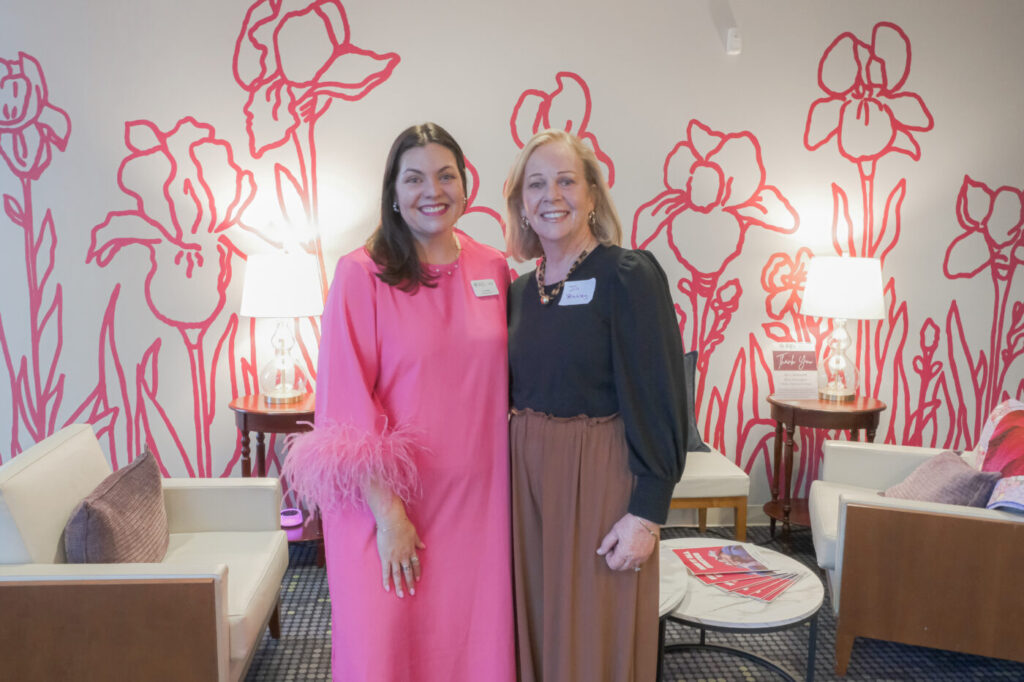
Iris, at 7820 Roswell Road in Sandy Springs, provides breast cancer rehabilitation and support, including physical therapy and exercise. Loreti’s account describes changes to how programs were delivered and how staffing and resources were allocated. She did not provide current financial figures, so the extent of its financial recovery remains unclear.
An early introduction to nonprofit work
Loreti’s interest in service began with her mother, a mail carrier who volunteered with the Muscular Dystrophy Association, organized fundraisers and made time to help outside her regular job.
In college, Loreti volunteered with Ronald McDonald House through her sorority and with Children’s Miracle Network through Dance Marathon.
“I had never thought about it as a career, but it’s no surprise I ended up here,” she said.
By the time she joined Iris, breast cancer had also affected people close to her. A college friend died from the disease in February 2025, and the friend who introduced her to the organization was undergoing treatment.
Now Loreti is considering how Iris can extend its support. She said the organization plans to introduce services for patients’ support networks in 2027, including the people helping them through recovery.
The details of those services have not yet been announced. For now, her experience restoring the exercise class continues to inform the work: before changing a service, understand what people depend on it to provide.
Community Voice
A snapshot of reader views, not a scientific survey.
Explore Community Voice →About the Author


In North Atlanta

Toll lanes move forward on northern I-285, with first opening planned for 2034
The Bodyhood Brings Shared Workspace for Independent Therapists to Sandy Springs
Sandy Springs Completes $4.33 Million Incentive Deal for North River Shopping Center Redevelopment
Casa Nuova’s Family Took Out a $200,000 Loan to Keep Staff Paid
Fulton Opens North Fulton School Closure Review; First Forum Is Oct. 7
Tax Allocation Districts, Explained: The Financing Tool Behind Major Projects in North Atlanta
IN NORTH ATLANTA