 Exclusive sponsor
Sugar Hill Rejects Camera Removal, Orders New License-Plate Reader Policy
Sugar Hill declined to remove its two license-plate readers and asked staff to draft a policy to govern their use. The city council vote, broken by Mayor Brandon Hembree, ensures ongoing operation with future rules to be established.
Major local stories and useful updates, once a week.
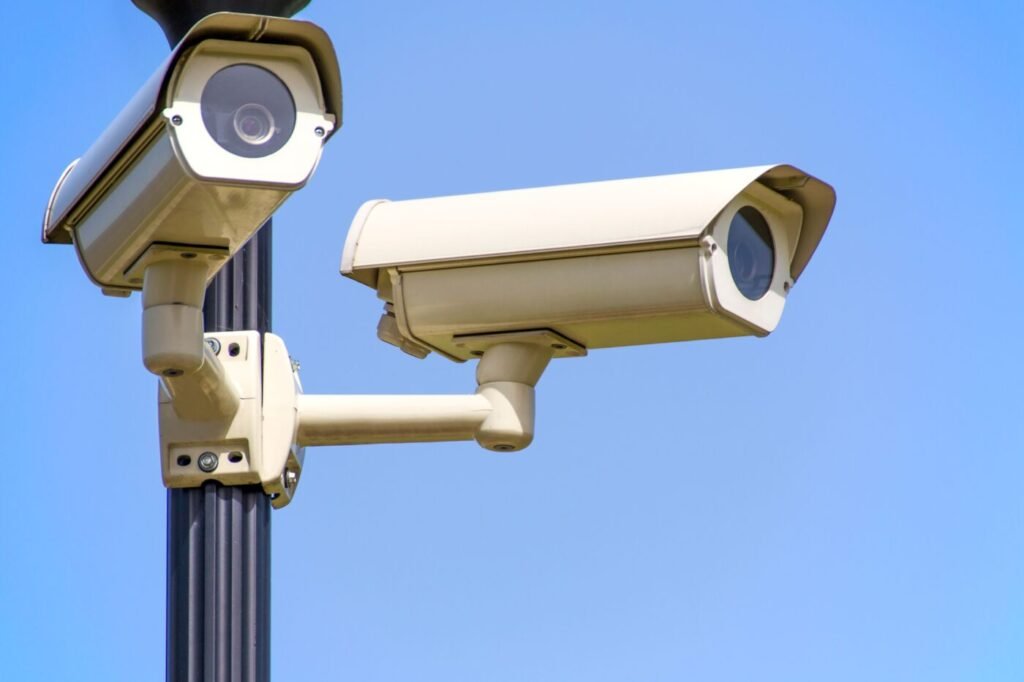
Sugar Hill has rejected a proposal to shut down its two city-operated license-plate readers, directing staff to draft a policy governing the cameras instead.
Mayor Brandon Hembree broke two tie votes at the Oct. 12 council meeting: first to defeat the removal ordinance, then to approve the policy-writing directive. The decision resolves the immediate question raised in NAS’s Oct. 10 coverage, after the council had postponed action in August and September.
Two votes, the same divide
Council members Gary Pirkle and Meg Avery supported the ordinance. Alvin Hicks and Joshua Page opposed it, leaving Hembree to cast the deciding vote against removal. Council Member Samantha Piovesan was absent.
Hicks then moved to deny the ordinance and have city staff draft a policy for Flock and other automated license-plate reader cameras, maintained under the city manager’s direction. Hicks and Page supported that motion; Avery and Pirkle opposed it. Hembree again broke the tie, this time in favor.
What the rejected ordinance would have changed
The removal proposal would have required Sugar Hill to discontinue its readers, remove the equipment when practical and terminate related agreements as soon as contracts and law permitted.
It also would have required a specific council vote before the city purchased, renewed, replaced or expanded a reader system. General budget or purchasing approval would not have been sufficient.
That proposed requirement did not become law. The council chose to develop an operating policy, leaving its detailed provisions to be written.
Even if the ordinance had passed, it would not have eliminated license-plate readers throughout Sugar Hill. It expressly excluded systems operated by Gwinnett County and Gwinnett County Public Schools, including equipment within city limits.
Sugar Hill’s public-safety responsibilities are shared with the county. The city’s Marshal’s Office patrols downtown, parks, the greenway and neighborhoods and serves as a liaison with Gwinnett County Police. County police handle crime reports and primarily enforce traffic violations.
For residents concerned about vehicle tracking, the next substantive step is the policy itself: who may search the information, when it may be shared, how long it is retained and how access is reviewed. The Oct. 12 action ordered a policy to be drafted; it did not settle those rules.
Community Voice
A snapshot of reader views, not a scientific survey.
Explore Community Voice →About the Author


In North Atlanta
Roswell Pulls Back Property Tax Proposal, but Higher Rate Remains on Table

Ready for the World? Atlanta Faces a World Cup Test

Gwinnett Police Hiring Event Offers $55,923 Starting Pay and Paid Training

North Atlanta Added 11,000 Residents, but the Growth Is Concentrated in Three Cities
North Atlanta’s Commute Divide Adds Up to 61 Hours a Year

Georgia Social Media Law for Minors Cleared to Move Forward
IN NORTH ATLANTA