North Atlanta Added 11,000 Residents, but the Growth Is Concentrated in Three Cities
North Atlanta’s growth is centered on Cumming, Sugar Hill, and Suwanee, which added over 11,600 residents since 2020. Meanwhile, mature suburbs like Johns Creek and Roswell have seen population declines, reflecting a shift of expansion toward the region’s outer edge.
Get major local stories and development updates.

North Atlanta is still growing, but the expansion is increasingly concentrated along its outer edge.
Cumming, Sugar Hill and Suwanee together gained an estimated 11,633 residents between April 2020 and July 2025. That exceeds the combined net gain across all nine North Atlanta Star coverage cities because population losses in Johns Creek and Roswell offset growth elsewhere.
Across the nine cities, the population rose from approximately 410,000 to 421,000, an increase of 2.7%.
Population change since 2020
| Community | 2020 estimates base | 2025 estimate | Change |
|---|---|---|---|
| Cumming | 7,319 | 12,494 | +70.7% |
| Sugar Hill | 25,074 | 29,280 | +16.8% |
| Suwanee | 20,782 | 23,034 | +10.8% |
| Duluth | 32,237 | 33,815 | +4.9% |
| Alpharetta | 65,810 | 66,921 | +1.7% |
| Peachtree Corners | 42,259 | 42,519 | +0.6% |
| Milton | 41,292 | 41,266 | -0.1% |
| Roswell | 92,834 | 91,505 | -1.4% |
| Johns Creek | 82,444 | 80,401 | -2.5% |
The figures are annual Census Bureau estimates rather than a new head count. They will continue to be revised before the 2030 census.
Cumming is the extraordinary outlier
Cumming’s estimated population climbed by 5,175 people, or 70.7%, in slightly more than five years. It remains the smallest city in the comparison, but its numeric gain was greater than the increases in Sugar Hill and Suwanee individually.
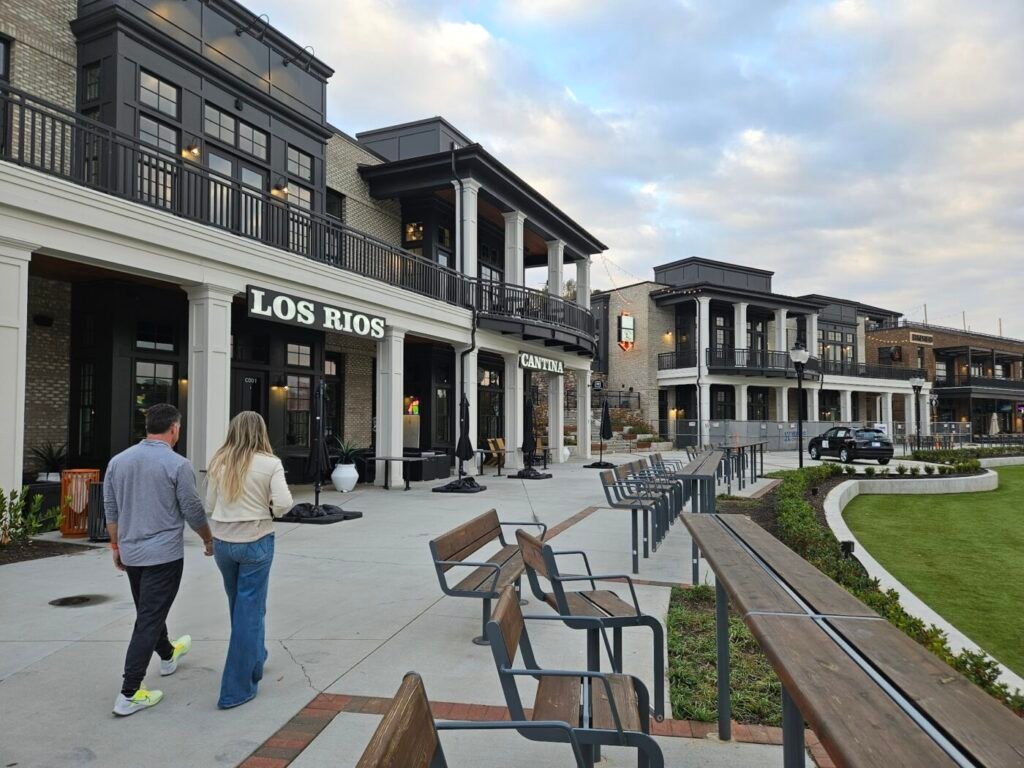
That percentage requires care. Population estimates for municipalities account for legal boundary changes, including annexations. Cumming’s increase therefore cannot be attributed entirely to people moving into new homes within its 2020 boundaries.
Cumming also represents only a small portion of the much larger area commonly associated with a Cumming mailing address. Forsyth County reached an estimated 282,805 residents in 2025, up 31,520 since 2020. Most county residents live outside the incorporated city.
The county’s 12.5% increase has consequences far beyond Cumming City Hall. New households place additional demand on Ga. 400, county roads, schools, water infrastructure, parks and emergency services across South Forsyth and the rest of the county.
Sugar Hill and Suwanee continue to expand
Sugar Hill added an estimated 4,206 residents, the second-largest numeric increase among the nine cities. Its 16.8% growth pushed the population above 29,000.

Suwanee grew by approximately 2,252 residents to more than 23,000. Together, the two Gwinnett cities added nearly 6,500 people.
Their growth reflects the continuing expansion of housing and mixed-use development farther from Atlanta’s established employment centers. It also helps explain the pressure surrounding road capacity, school enrollment and municipal services in the northern portion of Gwinnett.

Duluth grew at a more measured pace, adding approximately 1,578 residents. Peachtree Corners changed little, with an estimated gain of 260.
North Fulton’s largest cities are no longer expanding
The pattern reverses in North Fulton.
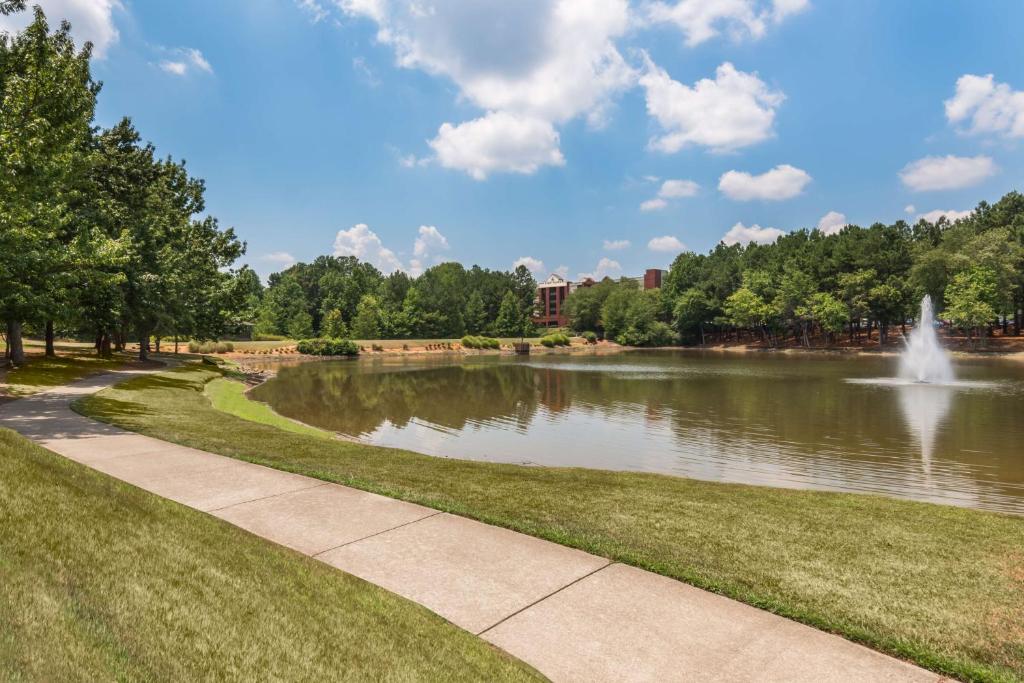
Johns Creek lost an estimated 2,043 residents between 2020 and 2025, the largest decline in the comparison. Roswell lost approximately 1,329, while Milton’s estimate was essentially unchanged.
Alpharetta remained the exception, adding 1,111 residents for a 1.7% increase.
Those figures do not mean development has stopped. New apartments, townhomes and mixed-use projects can open while average household size falls, older children leave home or redevelopment replaces one form of housing with another.
The numbers instead reveal two different versions of North Atlanta. The mature North Fulton suburbs remain large and economically important, but their populations have largely leveled off. The strongest residential growth is occurring farther north and east, where Cumming, Sugar Hill and Suwanee are absorbing most of the region’s new city residents.
About the Author


Best in Class – Johns Creek
Best in Class - Johns Creek is dedicated to supporting your child's learning goals with a team of passionate educators. They actively teach their...
Notice an update, correction, or detail we should include? Tell the editor. Seen something new around you? Send us a local tip.