 Exclusive sponsor
Forsyth County Is Growing Faster Than Gwinnett Once Did
Forsyth County’s population has grown rapidly, surpassing Gwinnett’s growth rate, putting pressure on schools and infrastructure along the GA-400 corridor.
Major local stories and useful updates, once a week.
Forsyth County added more than 100,000 residents between 2010 and 2026, pushing its estimated population to roughly 286,000 people.
That growth rate — more than 62% in about 15 years — has placed Forsyth among the fastest-growing counties not only in Georgia, but nationally.
The comparison increasingly attracting attention across metro Atlanta is Gwinnett County.
Gwinnett became the defining suburban expansion story of the 1990s and early 2000s, transforming from a largely suburban county into one of Georgia’s largest economic and population centers. Forsyth is now entering a similar phase of explosive expansion, though under very different conditions. The difference is speed.
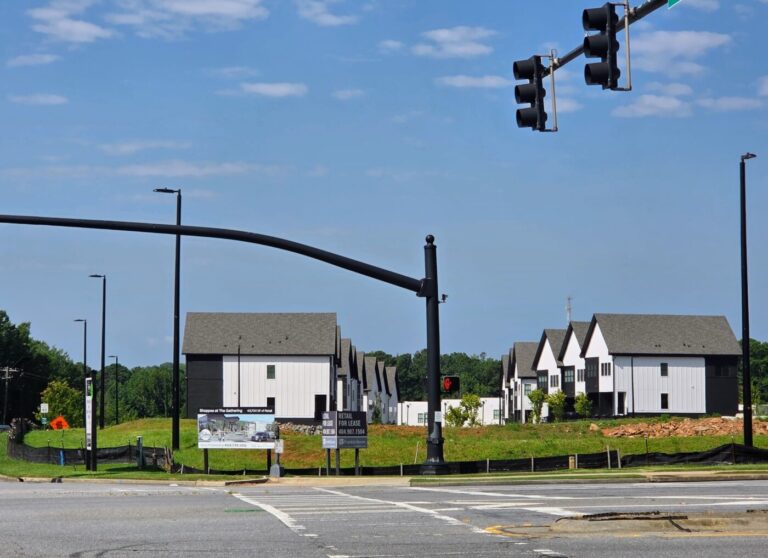
Forsyth’s modern growth has become highly concentrated along the GA-400 corridor and western portions of the county, placing enormous pressure on roads, schools, utilities, and housing supply in a relatively short period of time.
School overcrowding has become one of the clearest examples.
Forsyth County Schools currently serve more than 54,000 students, and district officials say 15 schools remain at or above capacity despite years of construction and expansions. Some schools in western Forsyth are reportedly operating around 110% to 120% capacity.
Gwinnett experienced similar infrastructure stress during its own major suburban expansion years, though much of that growth unfolded before today’s more restrictive development debates became common across metro Atlanta.
Forsyth officials are now responding more aggressively.
County leaders recently extended restrictions on several residential rezoning categories, particularly apartments and townhomes, while broader planning updates continue. The county has increasingly linked future growth approvals to infrastructure capacity and school system pressure.
At the same time, the county continues investing heavily in transportation and utilities.
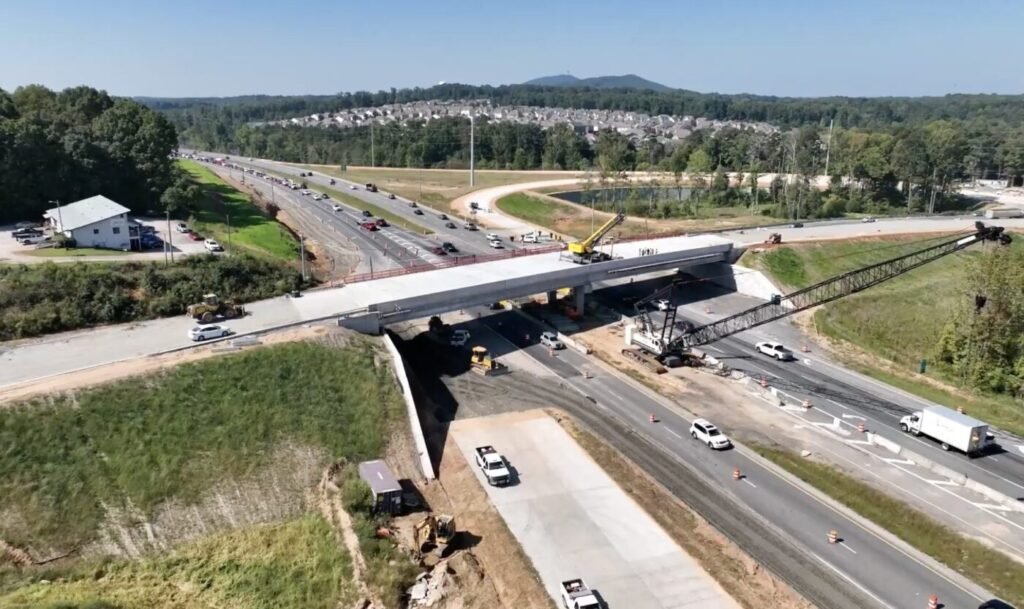
Construction has begun on the multibillion-dollar GA-400 express lanes project, while major widening projects continue on roads such as McGinnis Ferry and Post Road. Forsyth is also investing heavily in long-term water infrastructure tied to Lake Lanier as officials prepare for a projected population that could exceed 450,000 residents by 2050.
Economically, Forsyth also differs from Gwinnett’s earlier growth era.
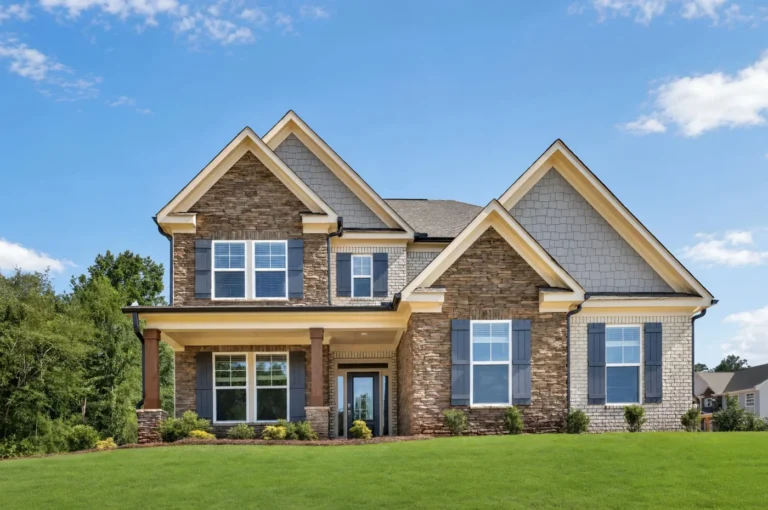
The county’s median household income now stands at roughly $143,000, among the highest in Georgia. Home prices remain significantly above metro Atlanta averages, with median sale prices around $610,000 in 2026.
That combination — rapid growth paired with high-income suburban development — is helping reshape the northern edge of metro Atlanta. The question facing Forsyth now is whether infrastructure can continue catching up quickly enough to support the next phase of expansion.
Here are a few more stories worth your time.
Community Voice
A snapshot of reader views, not a scientific survey.
Explore Community Voice →About the Author


In North Atlanta
Lennar Opens Estates at Yellow Creek in Cumming With Homes Starting in the High $700,000s
Forsyth Added Jobs. Its Wage Growth Ranked Last Among Georgia’s Large Counties
Creative Enterprises Opens Expanded Forsyth Campus With Capacity to Serve 200 Adults

How Forsyth County Spent Tax Dollars in 2025

Forsyth County’s Low Sales Tax Model May Not Last Forever as Growth Pressures Build

More homes are for sale in Forsyth County, and buyers are taking their time
IN NORTH ATLANTA