 Exclusive sponsor
Forsyth County’s Biggest Challenge May Be Success Itself
Forsyth County continues to grow rapidly, but uneven development is stressing schools and infrastructure. A moratorium on some housing aims to address these challenges.

Major local stories and useful updates, once a week.
For years, the conversation around Forsyth County’s explosive expansion was relatively simple: more people were arriving, more subdivisions were being built, and more schools, roads, and shopping centers followed behind.
But the county’s latest decision to extend its moratorium on some higher-density residential development reveals something more complicated now emerging beneath the surface of South Forsyth’s boom.
The real issue is no longer simply growth itself. It is where growth is happening — and whether local infrastructure can respond fast enough to highly uneven suburban expansion patterns.
While Forsyth County overall continues growing rapidly, county leaders and school officials are increasingly confronting a strange modern suburban reality: the county can simultaneously experience overall population growth while certain schools become severely overcrowded and others see enrollment soften.
The school issue is especially sensitive because Forsyth County’s education system remains one of the primary drivers attracting families into the area in the first place. Any perception of overcrowding, portable classrooms, traffic congestion, or strained resources risks affecting the very suburban quality-of-life formula that fueled the county’s rise over the past two decades.
Communities once focused almost entirely on attracting growth are now entering a second phase of suburban maturity, where managing growth becomes politically and economically just as important as encouraging it.
In many ways, Forsyth County’s current debate reflects the broader evolution of metro Atlanta itself.
Twenty years ago, rapid suburban growth was often viewed almost entirely as an economic win. Today, many residents increasingly ask a different question: not whether growth should happen, but whether the timing, density, infrastructure, and geographic concentration are sustainable.
The county’s concerns extend beyond schools. Officials also pointed toward water systems, sewer infrastructure, and road capacity as reasons for slowing certain projects temporarily.
That matters because infrastructure projects often move far slower than residential construction itself. A subdivision can rise within months. Expanding roads, upgrading utilities, or building new schools can take years.
Forsyth County’s decision may also quietly signal a broader regional shift toward selective growth rather than unlimited growth. The suburban model evolving across North Fulton and South Forsyth increasingly favors infrastructure-first planning, especially in areas where schools and transportation systems are already under visible pressure.
At the same time, the moratorium could intensify longer-term affordability challenges.
Limiting new townhomes and apartments in fast-growing suburbs often constrains housing supply precisely as demand continues rising. That can place additional pressure on home prices and rents across parts of North Atlanta where affordability has already become more difficult for younger families, teachers, service workers, and first-time buyers.
For now, county leaders describe the move as a temporary chance to “catch our breath.” But the deeper story may be that Forsyth County is entering a new chapter entirely — one where suburban success itself has become complicated to manage.
A few more local reads, before you go.
Community Voice
A snapshot of reader views, not a scientific survey.
Explore Community Voice →About the Author


In North Atlanta

School Capacity in North Atlanta. Is There Enough Room for the Next Generation?
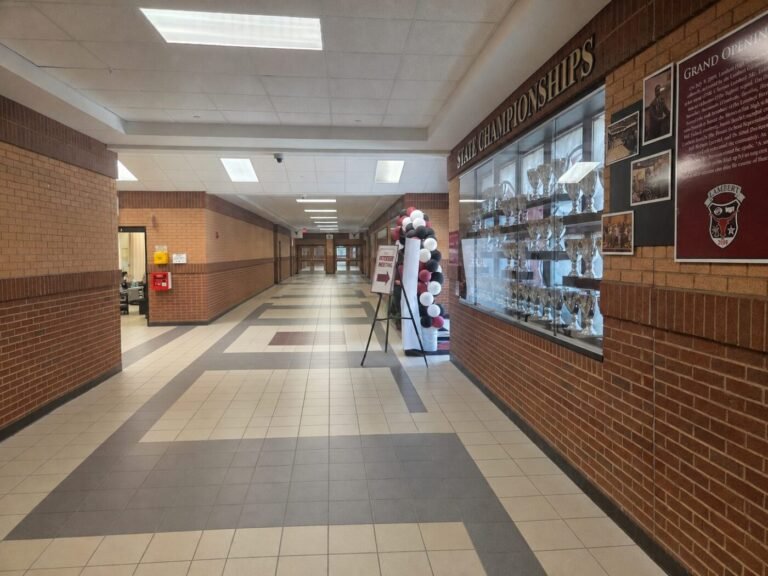
Forsyth Opens School Transfer Window; 12 Campuses Near Capacity

Forsyth Parents Have Until Aug. 18 to Complete New School Forms
What Does “Public School” Actually Cost North Atlanta Families?
Forsyth and Fulton Set New Graduation Records

Kidcreate Studio Opens in South Forsyth With Art, Science and Sensory Programs
IN NORTH ATLANTA