More South Carolina Schools Earn Top Ratings. What Is Behind the Improvement?
South Carolina's 2026 report cards show more top-rated schools and a decade-high graduation rate. What do the gains mean for students and families?

Get the week’s jobs, development, housing and growth stories from across the Sun Belt in one email.
More South Carolina public schools are earning the state’s highest report-card ratings, a shift that offers encouragement to families but also raises an important question: how much of the improvement reflects stronger learning in classrooms?
The number of schools receiving an Excellent overall rating rose from 270 in 2025 to 320 in 2026. Across all rated schools, 52.3% received Good or Excellent marks, the highest share since the current system began in 2018. The proportion rated Below Average or Unsatisfactory fell to 9.9%, also a low for the system.
The figures were released with the state’s 2026 school report-card results. They show improvement in the state’s accountability ratings, though a single overall grade is not the same thing as an independent measure of how much students know.
A shift across elementary and middle schools
Nearly one-quarter of South Carolina elementary schools improved their overall rating compared with last year. Among middle schools, the share earning Good or Excellent marks for student progress has more than doubled since 2024.
These figures concern different aspects of school performance. The overall rating combines multiple indicators, while a student-progress rating is intended to capture academic growth. A school can make meaningful progress even if many children have not yet reached grade-level proficiency; another can have high proficiency but slower gains.
That distinction is especially relevant for schools serving children who began their education during the disruptions of the pandemic. The state did not assign ratings in 2020 or 2021, leaving gaps in the longer historical comparison.
Graduation and readiness are moving, too
South Carolina’s on-time high-school graduation rate reached 87.5%, its highest level in a decade. More than eight in 10 high schools earned Good or Excellent ratings for college and career readiness.
The second figure is a measure of high schools’ readiness ratings, not a claim that more than 80% of individual graduates are ready for college or work. Those are different calculations, and families weighing an individual school should look beyond a single grade or statewide headline.
Graduation rates matter because finishing school is a critical milestone. But a diploma alone does not show whether a student can read at grade level, succeed in a college course or earn enough in an entry-level occupation. Stronger graduation outcomes are most persuasive when they accompany gains on independent academic assessments.
What happened at some improving schools
At Centerville Elementary in Anderson County, the overall rating rose from Below Average to Excellent, as did its student-progress rating. North Hartsville Elementary in Darlington County moved from Average to Excellent overall while its student-progress rating rose from Unsatisfactory to Excellent. Bamberg-Ehrhardt Middle School improved from Average to Excellent in both categories.
Those are striking changes, but ratings alone cannot identify the instructional decisions or student experiences behind them. Attendance, stable staffing, tutoring, curriculum and changes in enrollment can all influence results.
The state’s announcement also highlights improvements at schools serving high-poverty communities. That is a promising signal, but the statewide figures do not establish how much those schools outperformed peers or which practices account for the gains.
What improvement should mean for families
The 2026 results are meaningful within South Carolina’s own rating system: more schools are near the top and fewer are at the bottom. Elementary and middle schools have recorded notable gains, and more students are graduating on time.
What the numbers cannot establish alone is why these changes occurred or whether the pattern will continue next year. That will require a closer look at academic proficiency, school-level improvements and the consistency of the rating measures.
For now, South Carolina has grounds to celebrate improving ratings while leaving room for scrutiny. The most important measure is not the number of schools carrying an Excellent label, but whether students are learning more and more of them are receiving the support they need to succeed.
Community Voice
A snapshot of reader views, not a scientific survey.
Explore Community Voice →About the Desk

Across the Sun Belt
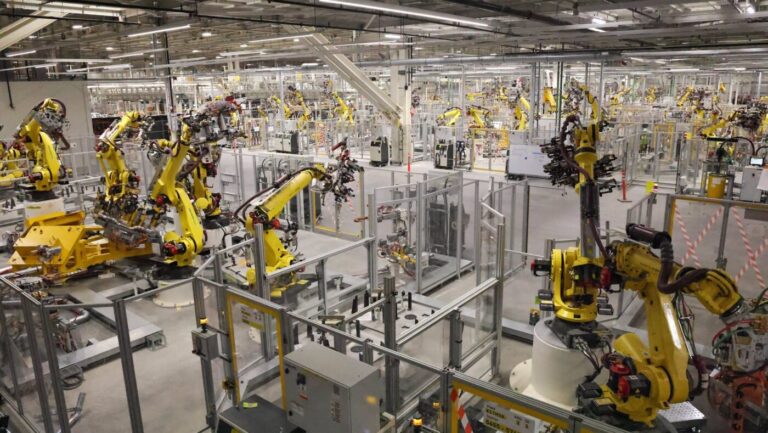
Scout Motors Suppliers Plan 200 Jobs and $82 Million in South Carolina Expansions
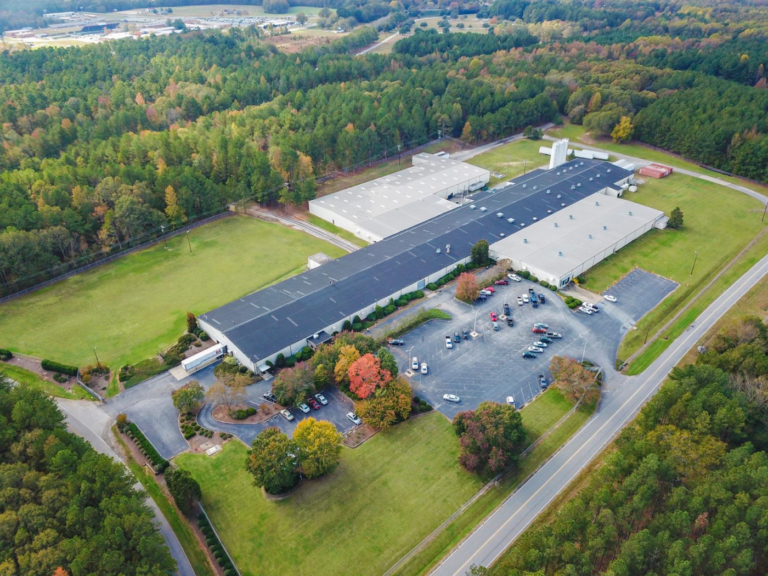
Adeptus Plans $215.6 Million South Carolina Plant, 217 Jobs
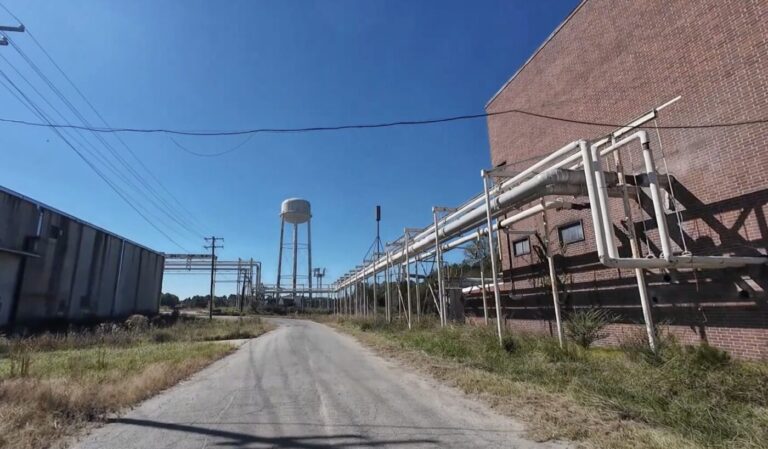
Shuttered South Carolina Textile Plant Set for $216 Million Revival
A $200 Million South Carolina Expansion Will Help Supply America’s GLP-1 Drug Boom
A $400 Million South Carolina Factory Expansion Will Create 105 Jobs