A Tiny Texas Community Is Becoming a $1.2 Billion Data Center Hub
Cedar Creek, Texas, near Austin, is transforming into a major data center hub with $1.2 billion in planned investment. This highlights the impact of AI-driven growth and infrastructure challenges in Bastrop County.
Jobs, development, business, housing and growth stories from across the Sun Belt.
CEDAR CREEK, Texas — A rural community southeast of Austin is becoming one of the clearest examples yet of how the artificial-intelligence boom is changing the geography of the Sun Belt.
Plans filed in Texas call for two new data centers in Cedar Creek with an estimated construction cost of $600 million each. The two buildings would represent another $1.2 billion in investment in Bastrop County, where large data-center projects are already multiplying.
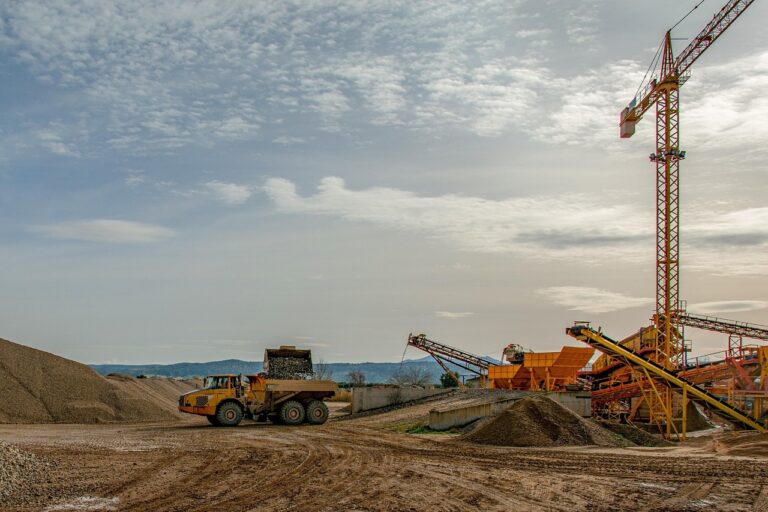
The latest buildings, identified as EDCAUS15 and EDCAUS16, are planned at roughly 591,400 square feet apiece. Construction is expected to begin in November 2026 and run into 2028, although project schedules can change.
For Cedar Creek, the significance is not simply another pair of enormous buildings. The community sits roughly 25 miles southeast of Austin in a part of Central Texas that until recently was better known for ranch land, scattered subdivisions and the outward push of the Austin metro area. Data infrastructure is now becoming part of that landscape.
EdgeConneX has been steadily expanding in the area. Earlier filings called for two 730,000-square-foot data centers at 6682 FM 535, with an estimated $700 million construction cost for each building. Other filings this summer added still more buildings, while AI cloud company CoreWeave has been identified as the expected occupant of an earlier EdgeConneX facility in Cedar Creek.
Taken together, the projects point to something much larger than an isolated development. Cedar Creek is emerging as a major data-center cluster on Austin’s suburban and exurban edge, with investment measured in billions of dollars and individual buildings approaching the scale of major distribution centers.
Thinking About Moving to the Carolinas?
A short scouting trip can help you experience the neighborhoods, commutes and everyday character of a possible new home. Compare places to stay in several of the Carolinas’ fastest-growing destinations.
North Atlanta Star may earn a commission when readers book through these links, at no additional cost to the traveler.
The expansion also arrives as Texas is taking a harder look at the demands created by its data-center boom. The state has tightened scrutiny of large projects over electricity and water use, while communities hosting new campuses have raised questions about infrastructure and local resources. Bastrop County residents have already had opportunities this year to question developers about water use, infrastructure planning and other effects of proposed data-center campuses.
That tension is increasingly part of the Sun Belt growth story. The same combination that helped turn places outside Austin, Dallas, Phoenix and other fast-growing metros into magnets for housing and industrial development — available land, infrastructure and proximity to major population centers — is now attracting the physical infrastructure behind AI and cloud computing.
In Cedar Creek, that transition is becoming visible remarkably quickly. A community on Austin’s outer edge is no longer simply absorbing the city’s outward growth. It is becoming part of the infrastructure powering the next phase of the technology economy.
If you’ve been following growth and change around here, these stories are worth a look too.
About the Author

Across the Sun Belt

The Next Sun Belt Highway May Carry Power, Water and Data Alongside Cars
The Sun Belt’s Battery Belt Is Losing Jobs as EV Factory Plans Shrink and Shift

A 10,000-Worker Technician Shortage Is Hitting the Machines That Build America

Phoenix Can Survive the Colorado River Cuts. The Water Fix Won’t Be Cheap

Sprouts Is Following Sun Belt Growth Into the Next Ring of Suburbs