 Exclusive sponsor
Forsyth Property Assessments Are Arriving. Here’s What Homeowners Should Check
Forsyth County sent its 2026 property assessment notices in late June. The document details the estimated fair market value and exemptions but not the final tax amount. Homeowners should check property info and exemptions closely and consider an appeal if errors or unfair valuations appear.

Major local stories and useful updates, once a week.
Forsyth County homeowners should begin watching their mailboxes for an important document that is easy to mistake for a tax bill.
The county mailed its state-required 2026 Annual Notices of Assessment on June 26. The notice does not tell homeowners exactly how much they will owe this fall. Instead, it establishes the county’s opinion of the property’s fair market value and identifies the exemptions that will be applied when the final tax bill is calculated.
That distinction is especially important this year because the notice looks different from versions mailed in the past. Recent changes in Georgia law removed estimated property taxes, estimated rollback rates and several projected millage-rate figures from the form. The notice instead includes estimated savings produced by the exemptions attached to the property.
The eventual bill will depend partly on millage rates adopted later this summer by the Forsyth County Board of Commissioners and the Forsyth County Board of Education.
Before filing the notice away, homeowners should review several details closely.
Start With the Property Description
The first question is whether the county’s property record accurately describes the home and land.
Homeowners should check the address, parcel number, acreage, building size and any listed improvements. A record showing more finished space than the home actually contains, an incorrect lot size or an improvement that does not exist could affect the valuation.
The county’s online property portal also allows residents to review a property summary, ownership information, assessed value and map. The 2026 records are expected to become available online during the week of June 29.
A difference between the county record and a real estate listing does not automatically mean the county is wrong. Listing descriptions may count space differently, particularly basements, additions and finished rooms. Still, a substantial discrepancy deserves a closer look.
Fair Market Value Is Not the Same as Assessed Value
The notice includes a fair market value, which is the county’s estimate of what the property would have sold for in an arm’s-length transaction as of Jan. 1, 2026.
Georgia then taxes residential property based on an assessed value equal to 40 percent of that fair market value. A home valued at $600,000, for example, would begin with an assessed value of $240,000 before applicable exemptions are deducted.
The final tax bill is calculated by applying the adopted millage rates to the taxable assessed value. Different exemptions may apply to different portions of the bill, including county and school taxes, which is why a rising market value does not always produce an identical percentage increase in the amount owed.
Homeowners should pay particular attention to the exemptions shown on the notice. A regular homestead exemption, floating exemption or senior school-tax exemption can substantially change the taxable value. Anyone who believes an exemption is missing should contact the Board of Assessors rather than assuming it will be corrected automatically.
Compare the Home With Similar Recent Sales
A higher value than last year may be frustrating, but the size of the increase alone is not the strongest basis for an appeal. The more useful question is whether the new value is supported by sales of genuinely comparable homes.
Good comparisons usually come from the same subdivision or immediate area and involve homes with similar square footage, age, construction style, lot size, condition and amenities. A renovated home with a finished basement, pool and larger lot may not be a useful comparison for a smaller property without those features, even when the two houses are on the same street.
Actual closed sales generally provide better evidence than current asking prices. Listings show what sellers hope to receive; recorded sales show what buyers agreed to pay.
Homeowners should concentrate on transactions reasonably close to the Jan. 1 valuation date. The county’s online assessment portal allows users to examine nearby properties and comparable records. A real estate agent may also be able to provide recent neighborhood sales, while a licensed appraiser can offer a more detailed opinion when the difference is substantial.
When an Appeal May Make Sense
An appeal may be worth considering when the county’s property record contains a meaningful error, when comparable sales consistently support a lower value or when similar neighboring properties appear to be assessed unevenly.
Condition can also matter. Significant structural problems, unfinished repairs or other issues that would have affected the home’s market value as of Jan. 1 may be relevant, particularly when they are supported by photographs, contractor estimates, inspection reports or an appraisal.
An appeal should do more than state that the value feels too high or that the resulting taxes may be difficult to afford. The strongest appeals connect a requested value to specific evidence.
Georgia law allows property owners to appeal based on value, uniformity, taxability or the denial of an exemption. For most homeowners, the dispute will center on value or whether the property is being treated consistently with comparable homes.
The Deadline Matters
Forsyth County homeowners have 45 days from the June 26 mailing date to appeal. That places the 2026 deadline on Aug. 10, although homeowners should confirm the controlling date printed on their individual notice.
Appeals may be submitted through the county’s online property portal, mailed to the Board of Assessors or delivered in person. The Board of Assessors relocated June 29 to 426 Canton Highway in Cumming.
The county no longer accepts assessment appeals by email or fax.
Anyone filing by mail should allow enough time for the envelope to be postmarked by the deadline. The county recommends certified mail so the homeowner has proof of delivery. An appeal received too late will not be accepted simply because the owner did not see the notice immediately.
The annual assessment notice is not a demand for payment, but it is the homeowner’s opportunity to challenge the value before tax bills are issued. A few minutes spent checking the property record, exemptions and comparable sales now could prevent a much more difficult conversation later in the year.
A few more local reads, before you go.
Community Voice
A snapshot of reader views, not a scientific survey.
Explore Community Voice →About the Author


In North Atlanta
More homes are for sale in Forsyth County, and buyers are taking their time

What North Atlanta Should Know Today. Sunday, Aug. 16, 2026
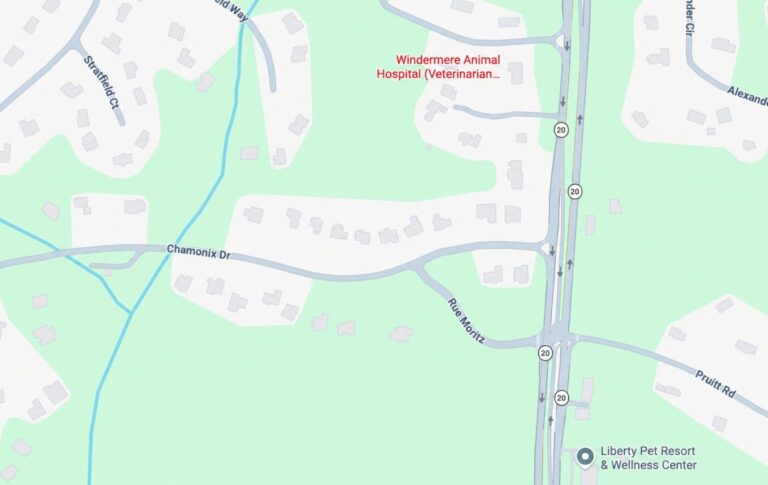
20-Acre Buford Highway Tract Hits Market at $5.08 Million

What North Atlanta Should Know Today: 9 Stories for Monday, July 27
What North Atlanta Should Know Today: 10 Stories for Saturday, July 25
Brookhaven’s Proposed 40% Tax-Rate Jump Is Not a 40% Increase in the Total Tax Bill
IN NORTH ATLANTA