The Rise of Ube Drinks—and What It Means Locally in North Atlanta
Ube drinks are appearing more frequently in North Atlanta cafés, offering a mildly sweet and visually striking alternative to coffee and other traditional beverages. The purple yam-based flavor is gaining steady popularity across suburban areas.
Major local stories and useful updates, once a week.

 Exclusive sponsor
Across social media and café menus, a vivid purple drink has quietly moved from niche curiosity to mainstream presence. Ube—pronounced “oo-beh”—is a purple yam long used in Filipino desserts, now showing up in lattes, milk teas, smoothies, and soft-serve across the United States. The color draws attention first, but the staying power comes from its flavor: mildly sweet, nutty, with a hint of vanilla.
Unlike the sharper taste of taro, which it’s often confused with, ube carries a softer, dessert-like profile. It blends easily with dairy or plant-based milks, making it ideal for cafés experimenting with visually striking, low-caffeine beverages.
Why Ube, Why Now

The timing is not accidental. The current beverage cycle is driven by a mix of visual appeal, global flavors, and wellness-adjacent positioning. Ube checks all three boxes.
Its deep purple color performs well on platforms like TikTok and Instagram, where drinks are judged in seconds. At the same time, Filipino cuisine has gained broader recognition in the U.S., bringing ingredients like ube into wider circulation. Cafés benefit from a product that feels both new and culturally grounded.
There’s also a practical side. Ube is typically used as a powder, jam (ube halaya), or extract, which allows consistent preparation across locations without complicated sourcing.
Where It’s Showing Up Around North Atlanta

In Alpharetta, Johns Creek, Duluth, and Suwanee, the ube trend is already visible, though not always labeled prominently. It tends to surface in milk tea shops as a flavored base or swirl, in Asian dessert cafés with broader Southeast Asian menus, and in specialty coffee shops experimenting with seasonal drinks.
A few places across the area are either already offering ube or are the most likely to carry it as part of rotating menus:
In Duluth, Sweet Hut Bakery & Cafe remains one of the more reliable entry points for Asian-style desserts and drinks, occasionally incorporating ube into pastries and beverages. Nearby, Tea Top and Gong Cha represent the kind of milk tea shops where ube-style flavors tend to appear, even if not always as a permanent listing.
In Suwanee, Café Mixx and Ding Tea reflect the same pattern—menus built around customizable drinks, where ube can show up as a seasonal option or special addition alongside taro and matcha.
Alpharetta’s café scene is more selective, but places like Warm Waves Coffee and Valor Coffee are representative of shops experimenting with rotating flavors, where ube has begun to appear in limited runs, often paired with oat milk or cold foam.
The Business Angle for Local Cafés

For café owners, ube offers a relatively low-risk way to differentiate. The ingredient itself is not expensive at scale, and the visual payoff is immediate. A single well-photographed drink can drive significant organic traffic online.
More importantly, ube appeals to a crossover audience. It attracts younger customers who follow food trends, while also resonating with families and casual café-goers looking for something lighter than coffee. In suburban markets like North Fulton and South Forsyth, that combination matters.
There is also a seasonal advantage. Ube drinks tend to perform well in warmer months as iced beverages, but they can transition into fall and winter as lattes and dessert-style drinks, giving them longer menu life than many novelty items.
A Comparison: Ube, Matcha, and Taro

What may look, at first glance, like a wave of interchangeable “color drinks” is, in practice, three distinct flavors that have arrived in North Atlanta through different paths.
Ube is the softest entry point. Its flavor is mild, slightly sweet, and almost dessert-like, often compared to vanilla or a gentle nutty cream. It carries no bitterness, which makes it easy to adopt across a wide audience. That accessibility is part of why it is now appearing beyond niche cafés and into more general coffee shop menus in Alpharetta and Johns Creek.
Matcha follows a different logic. Made from finely ground green tea leaves, it brings a more assertive profile—earthy, grassy, sometimes slightly bitter. Its popularity has been built less on novelty and more on long-term positioning, particularly around wellness and steady caffeine. In local cafés, matcha has already moved from trend to staple, with consistent demand rather than seasonal spikes.
Taro, often confused with ube because of its similar lavender color, sits somewhere in between. Its taste is more neutral and starchy, with a subtle sweetness that leans closer to cereals or light vanilla. In many milk tea shops across Duluth and Suwanee, taro has been present for years, serving as a familiar baseline flavor rather than a new arrival.
The difference in how they trend is just as important as how they taste. Matcha has matured into a permanent category. Taro has remained steady within established Asian café menus. Ube, meanwhile, is still in its expansion phase—driven by visual appeal and curiosity, but increasingly settling into regular rotation.
Will It Last, or Fade?
Not every visually driven trend holds. But ube has a stronger foundation than most. It is not an invented flavor—it comes from an established culinary tradition—and it integrates easily into existing café formats.
What’s more likely is not a spike and collapse, but a quiet normalization. Much like matcha before it, ube may settle into the menu as a permanent option, especially in areas where global food culture is already part of daily life.
If this felt close to home, these stories may be worth your time too.
About the Author

In North Atlanta

City Bodega Cafe Relaunches in Lawrenceville With All-Day Brunch
8 of the Best Mexican Restaurants in North Atlanta
Five North Atlanta Sandwich Shops Worth a Lunch Detour
Amasa Mexican Kitchen Opens at Alpharetta City Center
Chuan Tasty Brings Sichuan Dumplings and Dan Dan Noodles to Windward Parkway
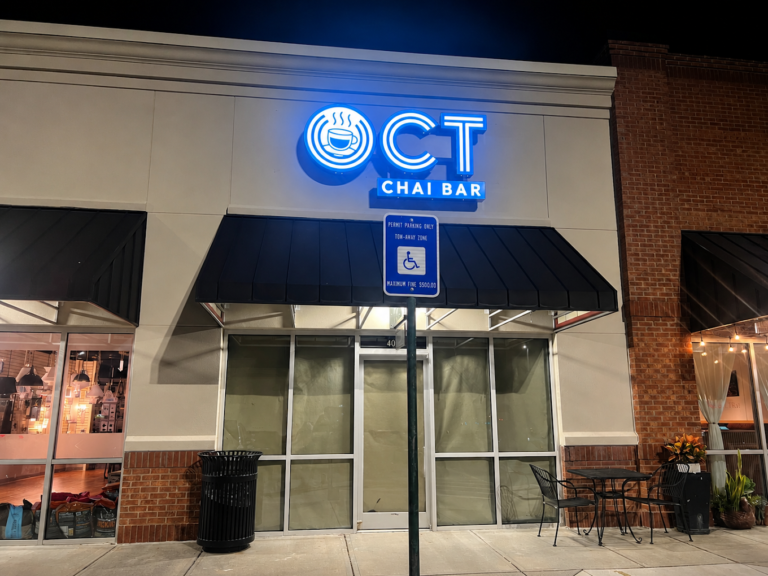
OCT Chai Bar Nears Opening in Roswell With Regional Indian Teas and a Reading Lounge
Community Voice
A snapshot of reader views, not a scientific survey.
Explore Community Voice →IN NORTH ATLANTA
Most popular