How Old Are the Oldest Trees Around North Atlanta?
Get major local stories and development updates.
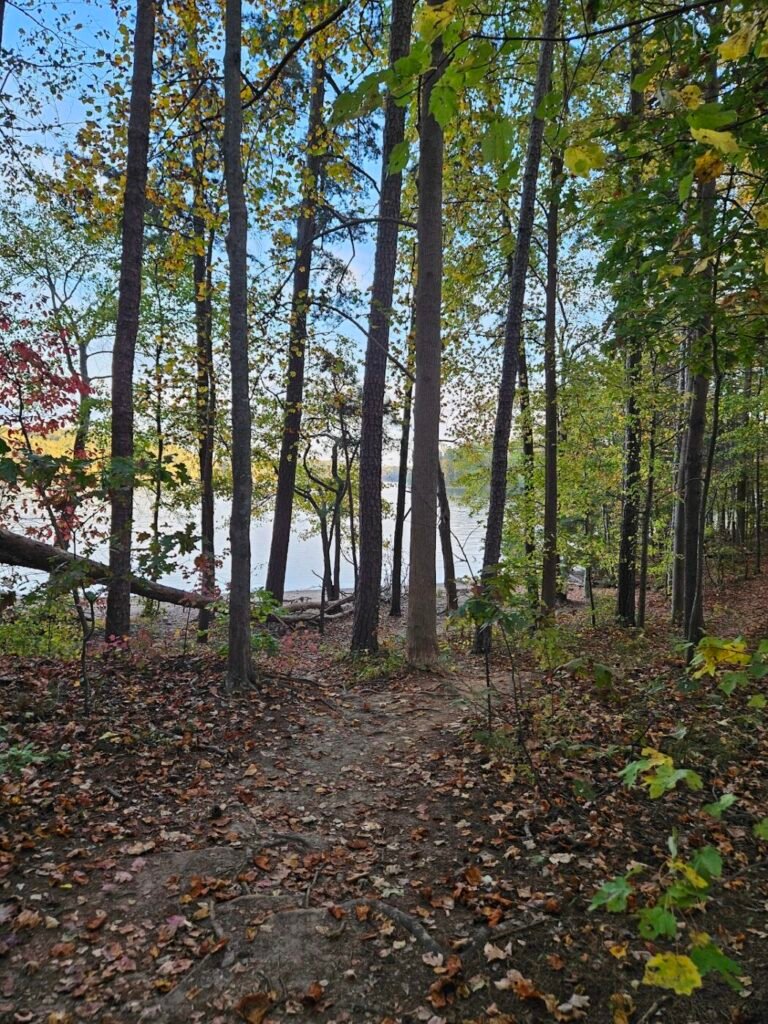
If there’s one thing North Atlanta never seems to run out of, it’s trees. In Johns Creek, Alpharetta, Roswell, Milton, Duluth, Suwanee, and South Forsyth, streets often run beneath long lines of oak and pine, parks sit under deep shade, and many homes back up to wooded areas that give the suburbs a distinctly green feel.
Yet despite that appearance, truly ancient forests are surprisingly rare in the North Atlanta suburbs. Most of the trees people see every day are far younger than they look.
Understanding why requires looking at how this region developed, how forests regenerate, and where the oldest surviving trees in North Georgia can still be found.
The Typical Age of Trees in North Atlanta Suburbs
Most mature trees in North Fulton, South Forsyth, and northern Gwinnett are between 40 and 120 years old.
In older neighborhoods—especially parts of Roswell, Milton, and Johns Creek—some individual hardwood trees may approach 150 years, particularly large white oaks, tulip poplars, or hickories that survived earlier land clearing.
But compared with truly old forests elsewhere in the United States, these trees are still relatively young.
The reason is simple: most of the region was cleared for agriculture long before the suburbs arrived.
During the 1800s and early 1900s, much of what is now suburban North Atlanta consisted of farms growing cotton, corn, or supporting livestock. Clearing land for agriculture removed most of the original forest. When farming declined in the early 20th century, forests gradually returned as fields were abandoned.
What residents see today is largely second-growth forest—trees that grew back after farmland was left to regenerate.
Why Old-Growth Forest Is Rare in North Georgia
Old-growth forests are ecosystems where trees have grown undisturbed for several centuries. These forests typically contain massive trees, multi-layered canopies, fallen logs, and complex habitats that take hundreds of years to develop.
Very little of that original forest survived across the Piedmont region of Georgia.
Several factors explain why:
First, agricultural clearing removed most original forests during the 19th century.
Second, timber harvesting in the late 1800s and early 1900s removed many remaining mature trees.
Third, the growth of metro Atlanta suburbs replaced large forest areas with housing, roads, and commercial development during the late 20th century.
As a result, the forests around North Atlanta today are generally young to middle-aged woodland ecosystems, even when they appear dense and mature.
That does not mean they lack ecological value. Many have had 70 to 100 years to recover, creating diverse habitats for deer, owls, foxes, woodpeckers, and migratory birds.
But they are not old-growth forests in the scientific sense.
The Oldest Trees You Might See Locally
Although large ancient forests are rare in the suburbs, some individual trees in the area are much older than the surrounding woodland. Historic properties, protected parks, and river corridors sometimes preserve trees that escaped earlier clearing.
In parts of Roswell and Milton, it is possible to find white oaks and tulip poplars estimated at 150 to 200 years old. Some of these trees were already mature when early settlements formed in North Fulton.
River corridors also tend to preserve older trees. Floodplains along waterways were often harder to farm, allowing some forest patches to remain intact longer.
Large trees along the Chattahoochee River corridor are among the oldest surviving in the immediate North Atlanta region.
Even there, however, most forests regenerated during the last century.
The Closest Old-Growth Forests to North Atlanta
While the suburban corridor lacks true ancient forests, several older woodland areas exist within driving distance.
One of the most notable is the Chattahoochee National Forest, which stretches across the mountains of North Georgia. Although much of that forest was also logged in the past, certain sections contain much older stands of hardwood trees.
Areas around Rabun County, Union County, and Fannin County include forest patches where trees may exceed 200 to 300 years old.
Another remarkable location is Cohutta Wilderness, a large protected area in northwest Georgia that contains some of the most mature forests remaining in the state.
Within those mountain landscapes, hikers can encounter towering hemlocks, ancient oaks, and massive tulip poplars that have been growing since before the American Revolution.
These areas represent the closest examples of something resembling old-growth forest accessible from the North Atlanta suburbs.
Georgia’s Truly Ancient Trees
For those interested in seeing extremely old trees, Georgia does have a few remarkable examples scattered across the state.
Some bald cypress trees in the Okefenokee Swamp are believed to be more than 500 years old, making them among the oldest living trees in the Southeast.
Along the Georgia coast, live oaks on historic plantations can reach 300 to 400 years in age, their wide limbs spreading horizontally in dramatic shapes.
These trees survived centuries because coastal wetlands and swamp environments were less suitable for farming or large-scale logging.
By contrast, the fertile Piedmont region around Atlanta was intensively farmed for generations, leaving few original forests intact.
Why Suburban Forests Still Matter
Even if most trees in North Atlanta are not ancient, the region’s recovering forests still play an important role in daily life. Tree canopy moderates summer temperatures, provides wildlife habitat, reduces stormwater runoff, and gives many neighborhoods their distinctive character.
In fact, metro Atlanta is often described as a “city in a forest.” Despite development, the region still maintains one of the largest urban tree canopies in the United States.
Many communities in North Fulton and South Forsyth actively protect this landscape through tree ordinances and conservation areas.
Local parks such as Big Creek Greenway, Autrey Mill Nature Preserve, and several city parks preserve significant forest corridors that allow wildlife and native plants to continue thriving within the suburban environment.
Over time, some of these protected woodlands may gradually develop characteristics closer to older forests as trees continue to mature.
What the Forest Might Look Like in 200 Years
If certain wooded areas around North Atlanta remain protected, the forests people see today could eventually become far older ecosystems. A tulip poplar planted in 1920 could still be standing in the year 2200. Oak trees can live even longer.
If those trees grow without major disturbance, future residents might walk beneath trunks that began growing when Henry Ford was building the Model T.
Old forests are not just about age; they are about time without interruption. When development stops clearing land, forests slowly move toward that complexity again.
In that sense, the suburban woodlands surrounding Johns Creek, Alpharetta, Roswell, Milton, Duluth, Suwanee, and South Forsyth may represent the beginning of future old forests, even if they are only a century into the process.
The tall trees shading neighborhoods today are not relics of ancient wilderness. They are the result of land recovering from farms and gradually returning to forest.
And given enough time—and protection—they may one day become the ancient forests that North Georgia largely lost long ago.
About the Author


In North Atlanta

Roswell Area Park Pond Reopens After $3.1 Million Restoration

Amasa Mexican Kitchen Opens at Alpharetta City Center

Dervish Plans 200-Seat Turkish Restaurant in Johns Creek

ANDRITZ Is Hiring Engineers and Project Leaders in Alpharetta
Old Milton Parkway Widening Will Reshape Avalon Corridor Through 2029
Simple Man Distillery Hiring Ahead of Cumming City Center Opening
IN NORTH ATLANTA