A Weekend in Charleston: Coastal Light, Historic Streets, and Long Evenings
Jobs, development, business, housing and growth stories from across the Sun Belt.
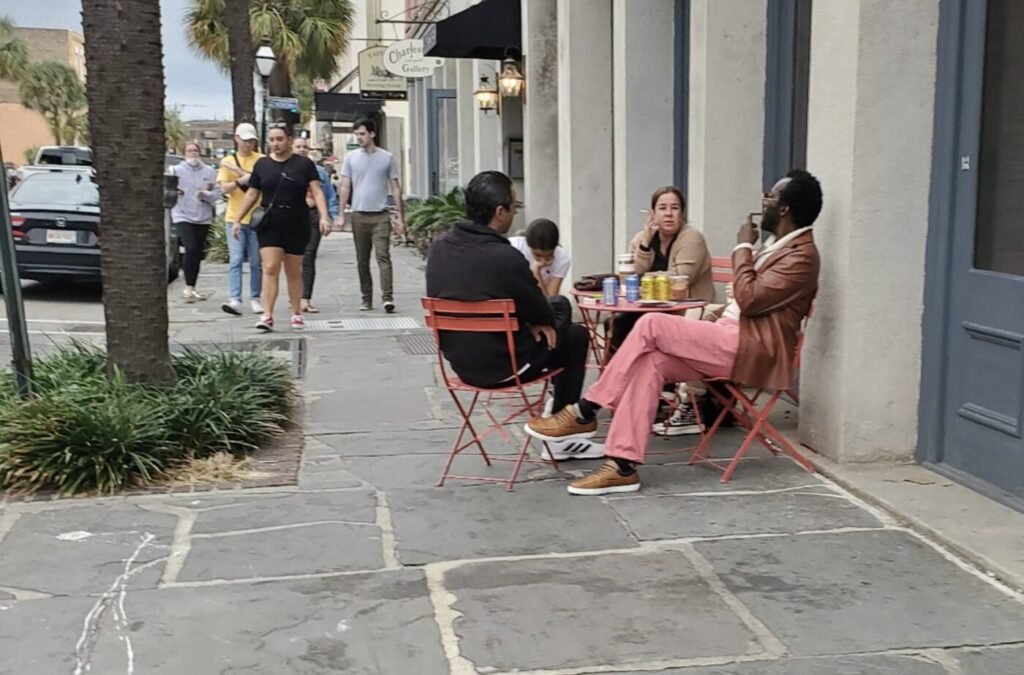
Charleston has long been one of the South’s most recognizable destinations, but what keeps people returning is not just its history or architecture. It’s the pace. You can fill a weekend here easily—walking historic streets, sitting down for long meals, spending time by the water—but nothing ever feels rushed.
For North Atlanta residents, Charleston offers something different from the mountains or nearby cities. It’s a coastal shift, a change in light and air, without the complexity of a long trip.
Getting to Charleston from North Atlanta
The drive from communities like Johns Creek, Alpharetta, or Cumming typically takes around five hours, depending on traffic and timing. The route follows I-85 northeast before connecting through South Carolina, gradually trading Georgia’s familiar roads for stretches of low country landscape.
For many, flying is the easier option. Direct flights from Atlanta to Charleston take just under an hour, making it possible to leave in the morning and arrive before lunch. Once you’re there, the city is compact enough that you won’t need to drive much at all.
As you approach Charleston, the landscape begins to flatten. Marshes appear along the roadside, water reflecting the sky, and the feeling of the coast starts to settle in.
A Historic District Made for Walking
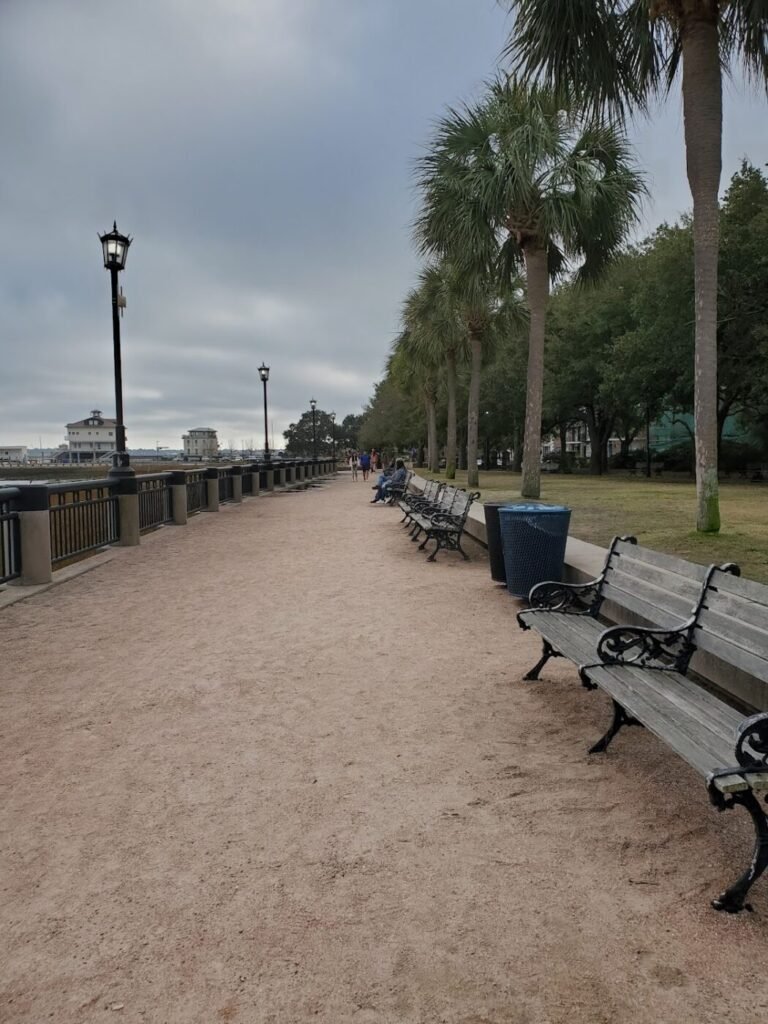
Pedestrians walking along a shaded Charleston street lined with pastel homes, palm trees, and wrought-iron gates.
Thinking About Moving to the Carolinas?
A short scouting trip can help you experience the neighborhoods, commutes and everyday character of a possible new home. Compare places to stay in several of the Carolinas’ fastest-growing destinations.
North Atlanta Star may earn a commission when readers book through these links, at no additional cost to the traveler.
Charleston’s historic district is one of those places best experienced without a plan. Streets lined with pastel homes, iron gates, and hidden gardens invite you to wander without needing a destination.
King Street often becomes the starting point. It runs through the heart of downtown, lined with shops, cafés, and restaurants. The energy shifts as you move along it—busier in some sections, quieter in others—but it always feels connected.
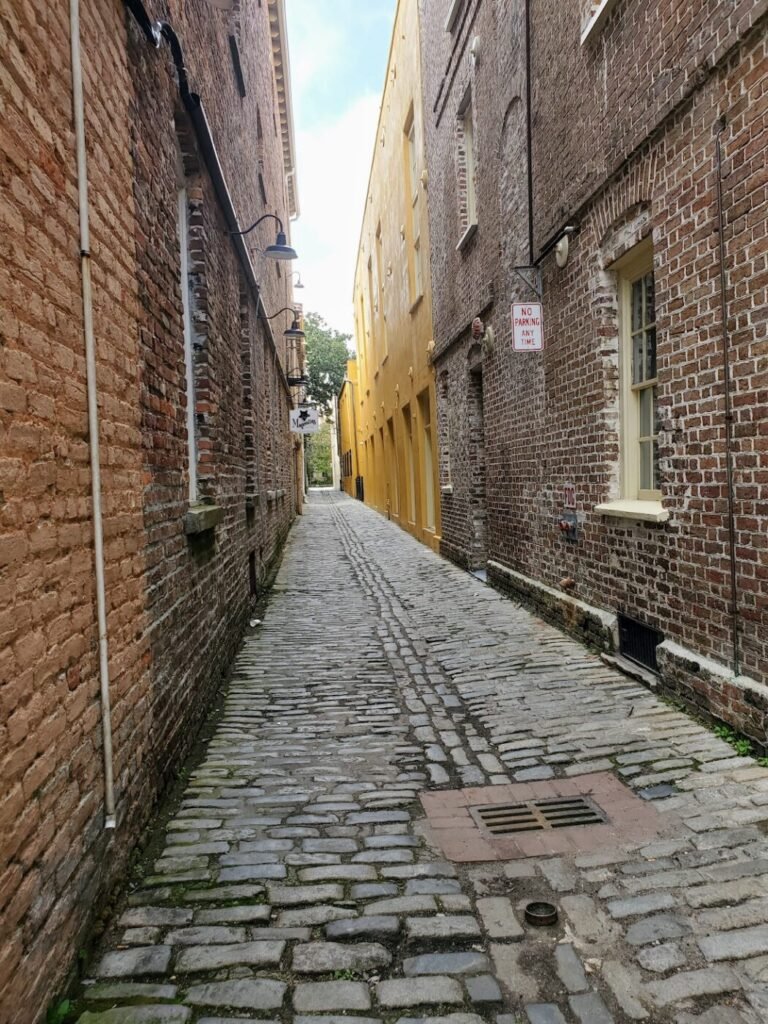
A few blocks away, the pace softens. Side streets open into quiet residential areas where window boxes overflow with flowers and porches sit just above the sidewalk. The details are what stand out here: the textures of old brick, the movement of light through narrow streets, the sound of footsteps rather than traffic.
Down by the water, The Battery offers one of the city’s most recognizable views. Large historic homes face the harbor, and the promenade draws a steady flow of walkers, especially in the late afternoon when the light begins to shift.
A City Shaped by History
Charleston’s past is not something set apart in museums—it’s built into the streets themselves. Founded in 1670, the city quickly became one of the most important ports in the American colonies, shaping trade, culture, and daily life across the region.
Walking through the historic district, that history feels close. Cobblestone streets, preserved homes, and church steeples reflect centuries of change, from colonial beginnings through the early years of the United States. Many of the buildings that line these streets have stood through wars, earthquakes, and storms, carrying visible traces of each period.
Charleston also holds a more complex and difficult history. It was a central point in the transatlantic slave trade, and that legacy is an essential part of understanding the city today. Sites like the Old Slave Mart Museum and the area around Gadsden’s Wharf offer a more complete picture of how deeply that history shaped Charleston and the country.
The city played a defining role in the Civil War as well. Fort Sumter, located in the harbor, is where the first shots were fired in 1861. Today, visitors can take a short boat ride to the fort, where the setting feels quiet but carries the weight of that moment.
What stands out most is how present all of this still feels. History here is not something you visit once and move past. It appears in small details—a plaque on a wall, the shape of a street, the age of a doorway—and gradually becomes part of how you experience the city over the course of a weekend.
Five Historic Facts About Charleston
1. One of the Oldest Cities in the South
Founded in 1670, Charleston is one of the oldest cities in the United States and was originally named Charles Town in honor of King Charles II.
2. A Major Colonial Port
By the 18th century, Charleston had become one of the busiest ports in North America, playing a central role in trade between the colonies, the Caribbean, and Europe.
3. Site of the Civil War’s First Shots
Fort Sumter, located in Charleston Harbor, is where the Civil War began in April 1861, marking one of the most significant turning points in American history.
4. Once the Wealthiest City in Colonial America
In the mid-1700s, Charleston was among the wealthiest cities in the American colonies, driven largely by rice and indigo plantations in the surrounding Lowcountry.
5. Deep Ties to Gullah Geechee Culture
The region surrounding Charleston helped shape the Gullah Geechee culture, preserving African traditions, language, and crafts that remain an important part of the Lowcountry today.
Where to Stay in Charleston
Charleston offers a wide range of places to stay, from historic inns to modern boutique hotels, many within walking distance of the historic district.
The Dewberry has become one of the city’s most distinctive hotels, combining mid-century design with a strong sense of place. Its location just outside the busiest part of downtown makes it easy to reach everything while still feeling slightly removed.
Zero George Street offers a quieter, more intimate experience. Spread across a series of historic buildings, it feels more like staying in a private residence than a traditional hotel, with courtyards and small details that shape the atmosphere.
For something closer to the waterfront, HarbourView Inn places you just steps from the harbor. Many rooms look out toward the water, and the setting naturally encourages slower mornings and evenings.
The Vendue leans into Charleston’s art scene, with rotating exhibitions and a location that places you right inside the historic district. It’s a good option for those who want to step directly into the city’s streets without needing transportation.
Travelers who prefer something slightly removed from downtown often choose hotels in Mount Pleasant, just across the bridge. The setting is quieter, with easy access back into the city when needed.
Local Tours That Add Context
Charleston is easy to explore on your own, but taking a tour can change how you see the city. What might look like a beautiful street or historic home often carries layers of stories that aren’t immediately visible, and local guides tend to bring those details forward in a natural, engaging way.
Walking tours are the most common starting point. They move at a relaxed pace through the historic district, stopping along quiet streets, hidden alleys, and well-known landmarks. Along the way, guides often share stories about the homes, families, and events that shaped Charleston over time. It’s a good way to understand what you’re seeing rather than simply passing through it.
Carriage tours offer a different perspective. Seated higher above the street, you move slowly through the city while guides point out architectural details and historical context. The pace is unhurried, and the experience feels closely tied to Charleston’s past.
For those interested in specific themes, there are more focused options. Food tours combine short walks with stops at local restaurants and markets, offering a sense of the city’s culinary traditions. Harbor tours provide a view of Charleston from the water, with Fort Sumter and the coastline coming into focus from a different angle.
These tours are not essential to enjoying Charleston, but they tend to deepen the experience. Even a couple of hours with a knowledgeable guide can shift the way the city feels for the rest of the weekend.
Tour Operators in Charleston
These local operators offer some of the most popular ways to explore Charleston, from harbor cruises to food tours and carriage rides.
Charleston Harbor Tours
Harbor cruises and sightseeing tours on Charleston Harbor.
SpiritLine Cruises – Official Charleston Harbor Tour
Narrated harbor tours with views of Fort Sumter, the USS Yorktown, the Battery, and the Ravenel Bridge.
Charleston Culinary Tours
Food-focused walking tours that combine Lowcountry cuisine, local history, and downtown exploration.
Old South Carriage Company
Historic carriage tours through downtown Charleston with certified guides.
Palmetto Carriage Works
Horse-drawn carriage tours through Charleston’s historic district.
Coastal Air and Open Space
Waterfront Park offers a natural pause in the middle of the day. The pineapple fountain, wide green spaces, and shaded benches make it a place to stop rather than move through. From here, the harbor stretches out, and the breeze off the water carries a different kind of quiet.
A short drive away, Sullivan’s Island and Isle of Palms provide a more open coastal experience. Wide beaches, soft sand, and steady waves create space to step away from the city entirely for a few hours.
Even within downtown, the presence of water is constant. It shows up between buildings, at the end of streets, in reflections that shift throughout the day.
Dining in Charleston
Charleston’s food scene is one of the reasons many visitors plan their trips around reservations.
Dinner at Husk often becomes a centerpiece of the weekend, with a focus on Southern ingredients prepared in thoughtful, understated ways. The setting, inside a historic house, adds to the experience without overwhelming it.
FIG (Food Is Good) offers a different approach—refined but relaxed, with a menu that changes regularly based on what’s available. It’s one of those places where the meal feels connected to the region.
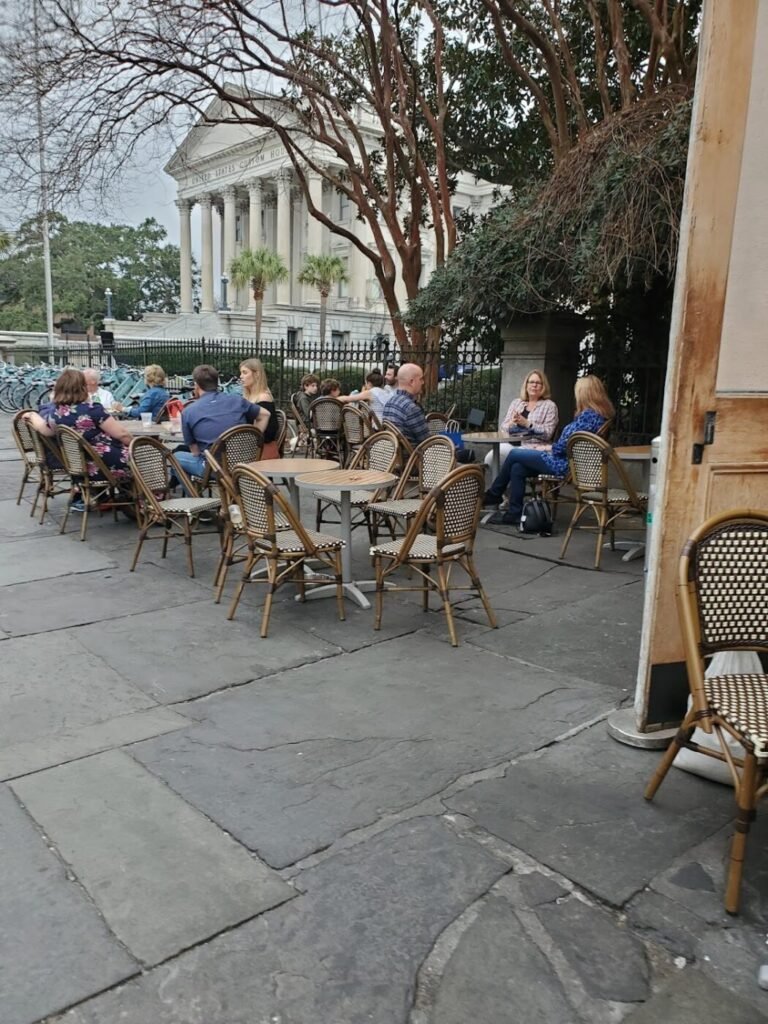
For something more casual, Leon’s Oyster Shop blends seafood with a lighter, more open atmosphere. It’s the kind of place that works just as well for a long lunch as it does for dinner.
Coffee and slower mornings are part of the rhythm here as well. Small cafés scattered through the historic district provide easy places to start the day, often with outdoor seating that lets you watch the street come to life.
Why Charleston Keeps Drawing People Back
Charleston offers a kind of balance that is hard to find. It has enough to fill a weekend—history, food, water, and walkable streets—without ever feeling overwhelming.
For North Atlanta residents, it provides a clear shift in environment. The air feels different, the landscape opens up, and the pace changes in a way that is noticeable from the moment you arrive.
Some visitors return for the food, others for the architecture, and many simply for the feeling of being there. A weekend can be as active or as slow as you want it to be.
And that may be the reason Charleston stays with people. It doesn’t ask much of you. It simply gives you the space to move a little more slowly, even if only for a few days.
Read Also:
About the Author

Notice an update, correction, or detail we should include? Tell the editor. Seen something new around you? Send us a local tip.