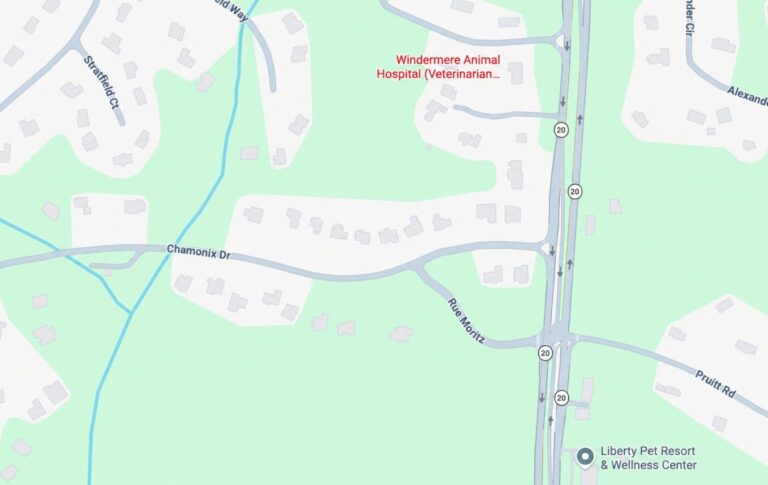
Your Mailing Address May Not Be Your City
Many North Atlanta residents have mailing addresses that do not reflect their actual city of residence, which can impact local governance, service provision, and voting rights. Postal designations primarily serve mail delivery and don’t follow municipal boundaries, making it important to check property records for accurate jurisdiction information.

Get major local stories and development updates.
A Cumming address does not necessarily mean a home is inside Cumming. The same is true of Alpharetta, Duluth and Suwanee—and across North Atlanta, that small distinction can determine who approves development nearby, which police department serves the property and whether its residents can vote in a city election.
The confusion begins with a familiar line printed on envelopes, driver’s licenses and real-estate listings. People naturally assume the city named there is the city in which they live. Often it is. In many parts of suburban Atlanta, however, it is simply the name the Postal Service uses to deliver the mail.
The U.S. Postal Service makes the distinction plainly: ZIP codes do not necessarily follow municipal boundaries. They are organized primarily around mail delivery routes and post offices, not city councils, police jurisdictions or zoning maps.
The Cumming Address That Is Not in Cumming
The difference is especially noticeable in Forsyth County. Cumming is the county’s only incorporated city, but the Cumming mailing area extends far beyond the city limits. Thousands of people who write “Cumming, Georgia” on their envelopes actually live in unincorporated Forsyth County.
For those residents, a subdivision proposed across the road is generally a Forsyth County matter, not a City of Cumming decision. Building permits, rezoning applications and code-enforcement questions are handled by the county when the property lies outside the municipal boundary. Forsyth County’s zoning system specifically applies to property outside Cumming’s city limits.
The political difference is equally important. A Cumming mailing address does not by itself give a resident the right to vote for the Cumming mayor or City Council. Municipal elections are limited to people who actually live within the incorporated city.
This is why two nearby families with identical “Cumming” mailing addresses may be governed differently. One may live within the city and receive city services; the other may live under Forsyth County government.
Alpharetta, Duluth and Suwanee Create Similar Confusion
Postal geography becomes even more tangled where several cities and counties meet.
An Alpharetta mailing address can appear on a home that is actually within Johns Creek or Milton. Johns Creek maintains a dedicated address-confirmation tool because the name on the envelope is not always enough to establish that a property lies within the city.
Along the Fulton-Gwinnett border, some Johns Creek residents have historically used Duluth or Suwanee mailing addresses. A Suwanee postal address can also extend beyond the incorporated City of Suwanee into unincorporated Gwinnett County or South Forsyth.
The practical consequence appears whenever a resident needs government action. A fence permit, zoning complaint, business license or development objection must be directed to the government that controls the property—not necessarily the city printed after the street address.
Gwinnett County, for example, handles code-enforcement complaints in unincorporated areas but directs people inside municipal boundaries to the appropriate city. Its property and GIS map allows residents to search individual parcels and determine where they fall.
What the Boundary Can Change
Living inside a city may mean paying municipal property taxes in addition to county taxes, although rates and exemptions vary. It may also affect sanitation arrangements, permitting, recreation programs, local ordinances and the officials a resident elects.
Police and fire coverage can change at a city line as well, although some local governments provide services through county agreements. In an emergency, residents should still call 911; dispatchers route the call using the property’s actual location rather than relying solely on the postal city name.
Municipal boundaries also shape development decisions. Someone concerned about apartments, a shopping center or a road project nearby needs to know whether the proposal is before a city planning commission or a county government. Sending comments to the wrong council may mean missing the body that actually has the power to act.
School assignments are a separate question. A postal city does not determine a child’s school. Attendance generally depends on the school system and attendance zone covering the home. In most of the North Atlanta Star coverage area, those are county school systems, while Buford operates its own city school system.
How to Find the City You Actually Live In
The most reliable answer comes from the parcel itself. County GIS systems show municipal boundaries, property records and jurisdictional information. A property-tax bill may also identify a separate municipal tax, while Georgia’s My Voter Page shows the districts and elections assigned to a registered address.
Residents buying a home should ask for more than the postal city and ZIP code. They should confirm whether the property is incorporated, which government controls its zoning, which agencies provide services and whether any annexation proposal could change that status.
The name on the envelope tells the mail carrier where to go. It does not always tell the homeowner who governs what happens there.
A few more local reads, before you go.
About the Author


In North Atlanta

South Forsyth Roads and Development Take Center Stage at Forsyth County Meeting
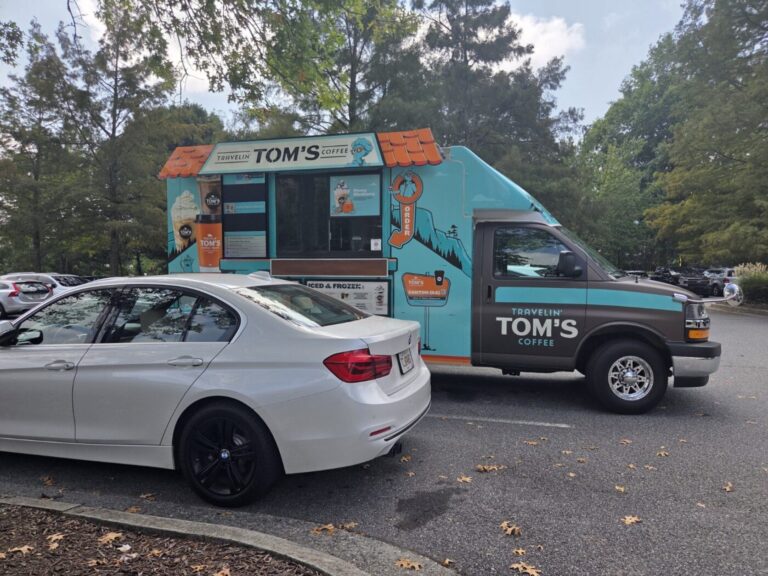
5 Coffee Trucks and Mobile Cafés Worth Finding Around North Atlanta

North Atlanta Added 11,000 Residents, but the Growth Is Concentrated in Three Cities
Former Freedom Mill to Become Bennett’s Bridge Community for Adults With Special Needs
Forsyth Added Jobs. Its Wage Growth Ranked Last Among Georgia’s Large Counties

YAVA Kitchen and Brewhouse Sets Oct. 5 Return in Cumming
IN NORTH ATLANTA