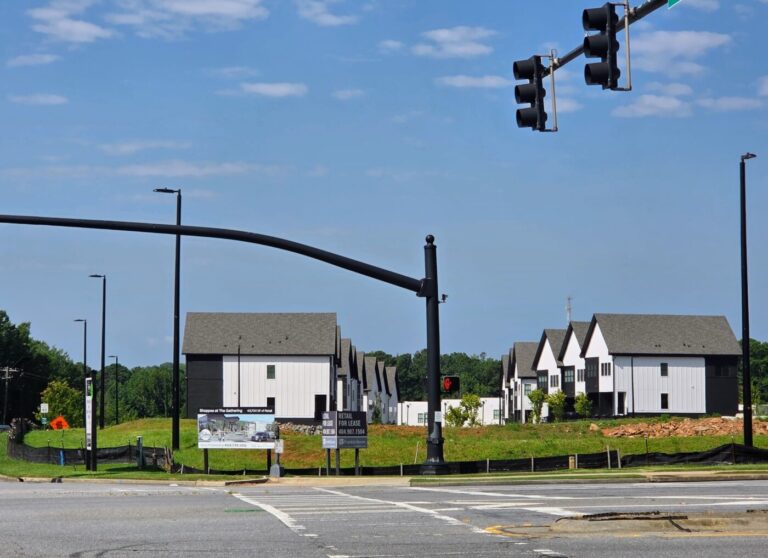
Georgia May Still Be the Peach State — But North Atlanta Is Eating Blueberries Like Never Before
Blueberries have overtaken peaches in Georgia, becoming a popular fruit in North Atlanta suburbs due to health trends and convenience. Their rise reflects changing farming and eating habits across the state.
Major local stories and useful updates, once a week.
 Exclusive sponsor
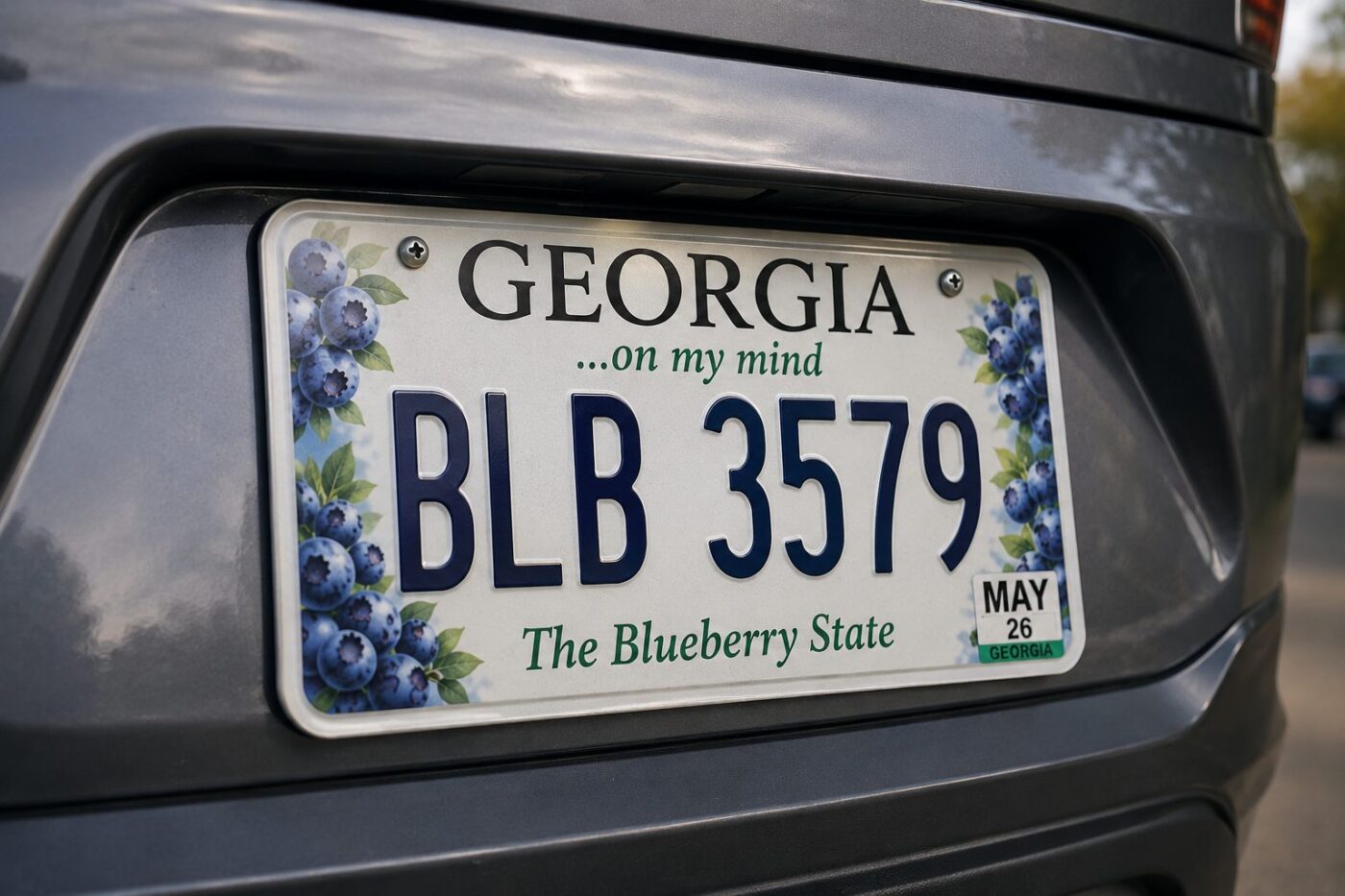
For generations, Georgia’s identity has been wrapped in peaches. The fruit appears on license plates, roadside stands, tourism campaigns, and local nostalgia itself. But quietly, almost without most suburban residents noticing, another fruit has been taking over the state’s farms, grocery carts, and refrigerators.
Georgia now produces significantly more blueberries than peaches, a dramatic shift that reflects changing consumer habits, modern health culture, and the rapid rise of large-scale blueberry farming across South Georgia. Over the past two decades, blueberry production in the state has surged from roughly 11 million pounds to well over 100 million pounds annually as farmers expanded operations across the sandy soils of southeast Georgia.
And if there is one place where the trend is easy to see, it may be North Atlanta’s suburbs.
Across Alpharetta, Johns Creek, Milton, Roswell, Duluth, Suwanee, and South Forsyth, blueberries have quietly become part of daily suburban life. They end up in smoothie cups before school, gym bags after workouts, yogurt bowls during rushed mornings, and Costco carts packed for busy family weeks.
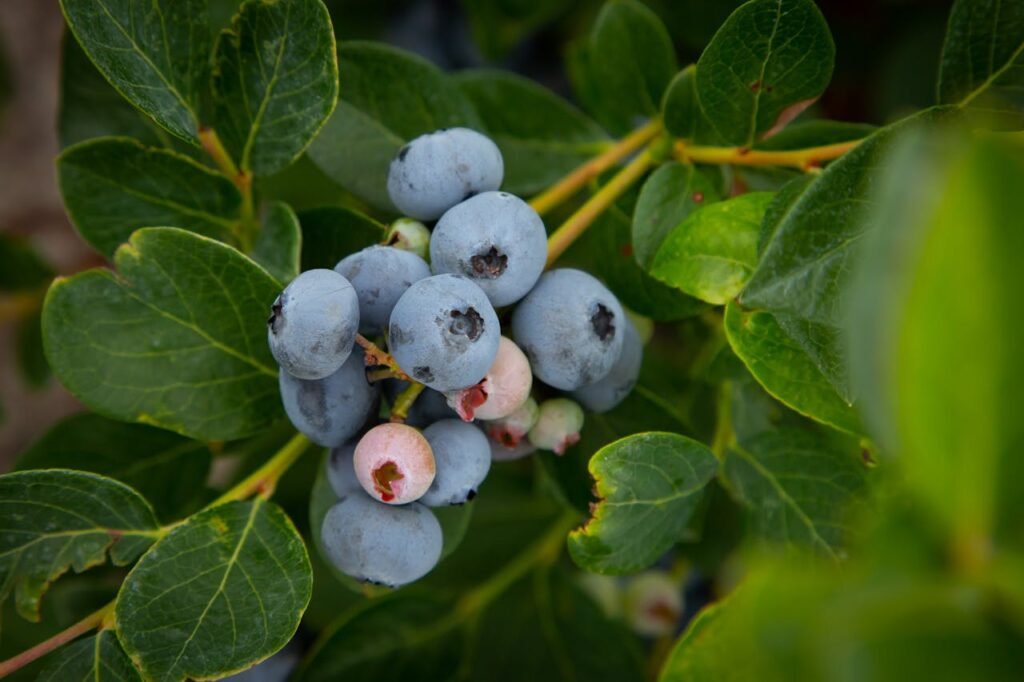
The rise also reflects the broader wellness culture that has spread through North Atlanta over the past decade. Smoothie shops, fitness studios, healthy cafés, walking trails, youth sports schedules, and high-protein meal routines all helped create ideal conditions for blueberries to become one of the region’s most purchased fruits.
Unlike peaches, blueberries are portable, durable, easy to freeze, easy to blend, and simple to pack into lunchboxes. They also last longer in the refrigerator and fit naturally into the fast-moving routines of suburban families.
In many ways, modern life simply favors blueberries.
Why Blueberries Became So Popular
Part of the fruit’s explosive growth came from its reputation as a “superfood.” Research in the late 1990s and early 2000s helped popularize blueberries as antioxidant-rich foods connected to healthier eating patterns. Grocery stores, wellness brands, and food companies embraced the trend quickly, and consumer demand followed.
Today, blueberries are no longer treated as a seasonal novelty. They have become a year-round staple.
That shift changed Georgia agriculture itself.
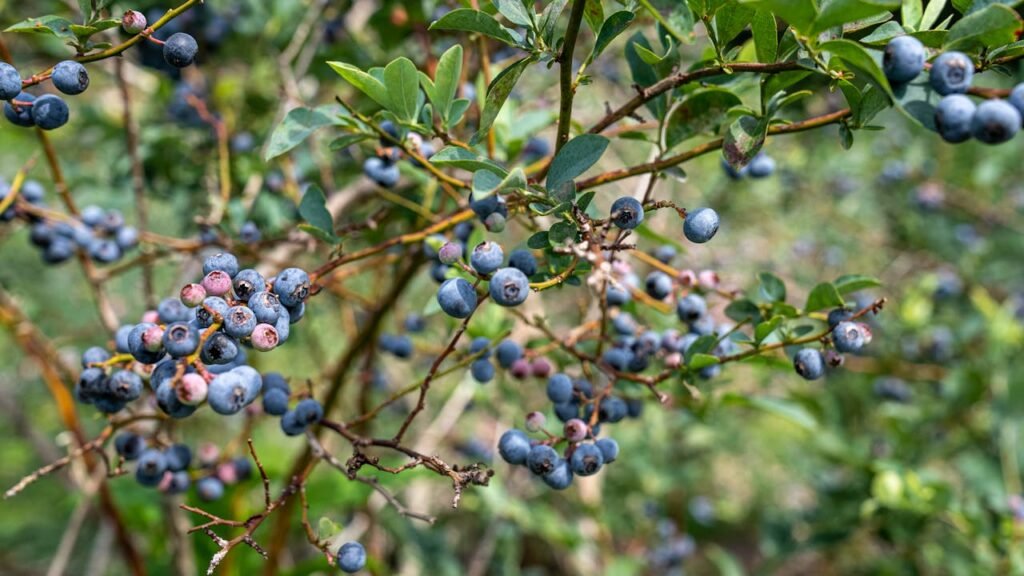
Farmers across South Georgia increasingly turned toward blueberries because the region’s sandy soil proved ideal for large-scale berry production. Entire farming operations expanded around the crop, while universities and private breeding programs spent years developing varieties that could better survive Southern heat, resist disease, and maintain longer shelf life.
The result is a fruit industry that now rivals — and in some ways surpasses — Georgia’s traditional peach identity.
What to Look For When Buying Fresh Blueberries
Not every container of blueberries is equal, especially during heavy grocery season.
When buying fresh blueberries around North Atlanta, look for berries that are:
- Deep blue or purple-blue in color
- Firm and dry to the touch
- Covered in a light silvery coating called “bloom,” which naturally protects the fruit
- Free from leaking juice or shriveled skin
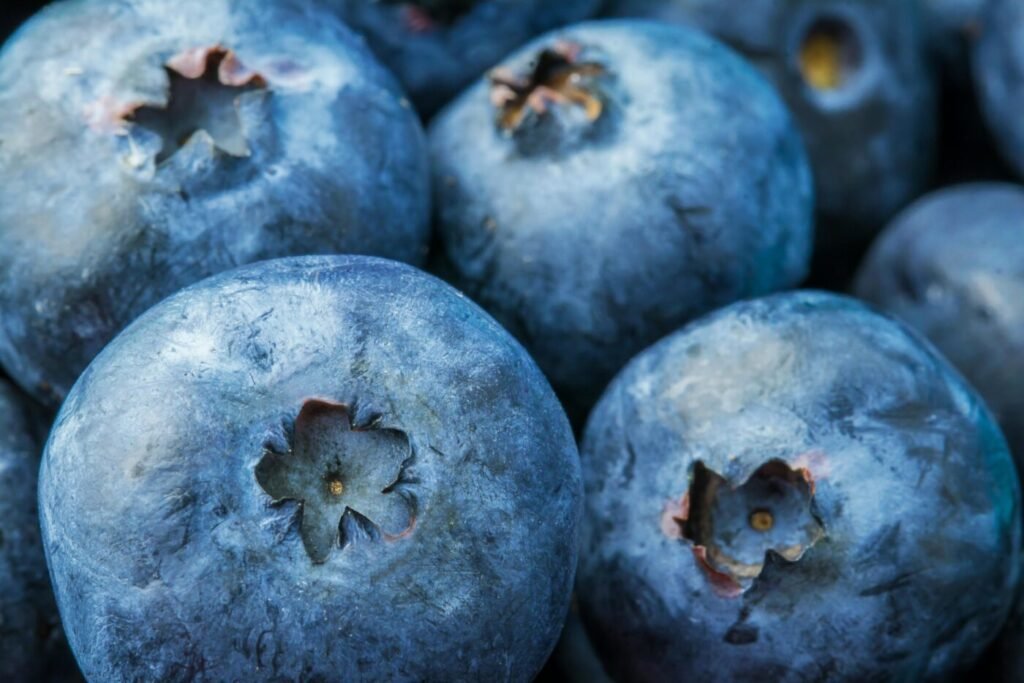
Soft berries or containers with moisture collecting at the bottom usually spoil faster.
Fresh Georgia blueberries are generally strongest in late spring and early summer, though stores now carry imported berries nearly year-round.
How Much Should Blueberries Cost?
Prices fluctuate heavily depending on season, size, and whether the berries are organic.
Across North Atlanta grocery stores, shoppers commonly see:
- Standard pint containers ranging from about $3.99 to $5.99
- Larger club-store packages offering lower bulk pricing
- Organic blueberries often priced noticeably higher
- Farmers market pricing varying depending on harvest conditions
Many suburban families now buy frozen blueberries in bulk as well, especially for smoothies and baking.
Five Easy Blueberry Recipes for North Atlanta Kitchens

North Atlanta Morning Smoothie
This has become one of the defining suburban breakfast routines.
Blend together:
- 1 cup blueberries
- 1 banana
- 1/2 cup Greek yogurt
- 1/4 cup oats
- Honey to taste
- Ice
It works before school drop-offs, gym sessions, or long commutes down GA-400.
Warm Blueberry Oat Skillet
Part breakfast, part comfort food.
Combine:
- 1 cup oats
- 1 cup blueberries
- Cinnamon
- Maple syrup
- Small pieces of butter
Bake until warm and lightly crisp on top. It feels somewhere between oatmeal and cobbler.
Blueberry Yogurt Bowl
Perfect for warm Georgia afternoons.
Layer:
- Greek yogurt
- Fresh blueberries
- Granola
- Walnuts
- Mint leaves
Simple, quick, and surprisingly filling.
Blueberry Lemon Salad
This recipe fits especially well alongside grilled summer dinners.
Mix:
- Spinach
- Blueberries
- Feta cheese
- Candied pecans
- Lemon vinaigrette
The sweetness of the berries balances the saltiness of the feta surprisingly well.
Lazy Weekend Blueberry Crisp
Possibly the easiest dessert on this list.
Use:
- Fresh or frozen blueberries
- Oats
- Brown sugar
- Butter
- Cinnamon
Bake until bubbling and serve warm.
The house will smell like summer.
If you enjoy discovering places with local character, these stories are worth a look too.
About the Author

In North Atlanta
China’s Blueberry Boom Is a Warning for Georgia’s Biggest Fruit Crop

Kimchi Red’s Three-Restaurant Story Began With a Name and No Restaurant

North Atlanta’s Vanishing Farmland Has a New Line of Defense

Hyundai Says Georgia Metaplant Hiring Goal Holds as Hybrid Production Expands

Jeff’s Bagel Run Opens First Forsyth County Shop
From Georgia Farms to South Africa: How Far North Atlanta’s Food Travels
Community Voice
A snapshot of reader views, not a scientific survey.
Explore Community Voice →IN NORTH ATLANTA
Most popular