 Exclusive sponsor
Your Next NYC Vacation Just Got More Expensive — And Not Because of Fuel
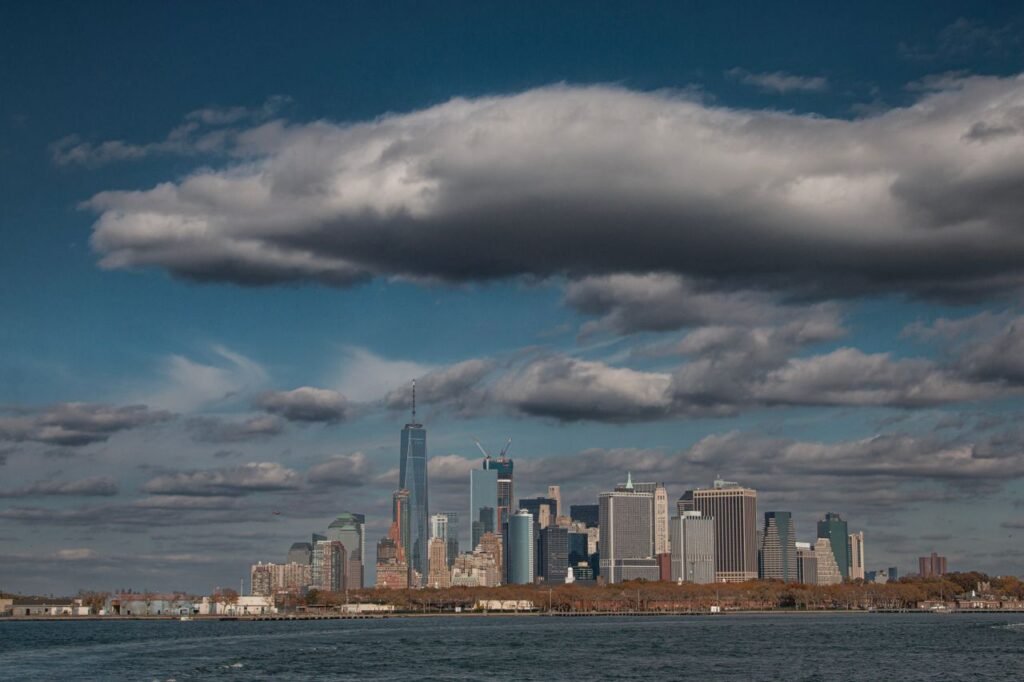
A new expensive union labor agreement in New York City’s hotel industry will raise lodging costs. North Atlanta families who visit Manhattan may face higher prices for their typical trips, influencing travel budgets and destination choices.
Major local stories and useful updates, once a week.
For years, many North Atlanta families treated New York almost like a second regional city. A quick nonstop from Hartsfield–Jackson Atlanta International Airport, a long weekend in Manhattan, maybe a Broadway show, a Yankees game, shopping, museums, or simply walking through the city in autumn.
Now, the cost of that familiar trip is climbing again — and not only because of airfare or inflation.
New York City’s hotel industry has signed what hospitality analysts describe as one of the most expensive union labor agreements in American hotel history, a deal expected to sharply raise operating costs across the city’s lodging sector over the next several years.
The timing matters for travelers across metro Atlanta because New York remains one of the most common domestic leisure destinations for affluent Southern suburban travelers. Direct flights from Atlanta to New York operate almost constantly through carriers serving LaGuardia, JFK, and Newark, making the city a common “easy escape” for residents of places like Alpharetta, Johns Creek, Milton, and Roswell.
But the economics of visiting Manhattan are beginning to change.
According to the new labor agreement, many hotel workers in New York will receive wage increases approaching 50% over eight years, with some housekeepers projected to eventually earn six-figure annual pay packages. Hotel industry groups estimate that overall hotel operating costs could rise roughly 15% as a result.
Those increases are expected to flow directly into room prices.
And New York was already expensive before this.
Average hotel room rates in the city reached roughly $334 per night last year, already the highest among major non-resort U.S. hotel markets.
For a North Atlanta family flying up for four nights, the math adds up quickly.
A fairly typical Midtown or Lower Manhattan stay that may once have cost:
• $1,000–$1,200 in hotel expenses for several nights
• plus flights from Atlanta
• plus Broadway tickets
• plus restaurant costs
• plus airport transfers and taxes
can now drift toward luxury-vacation territory surprisingly fast.
Hotel Pricing in Manhattan
What makes the moment especially interesting is that hotel demand in New York is not necessarily exploding the way many expected.
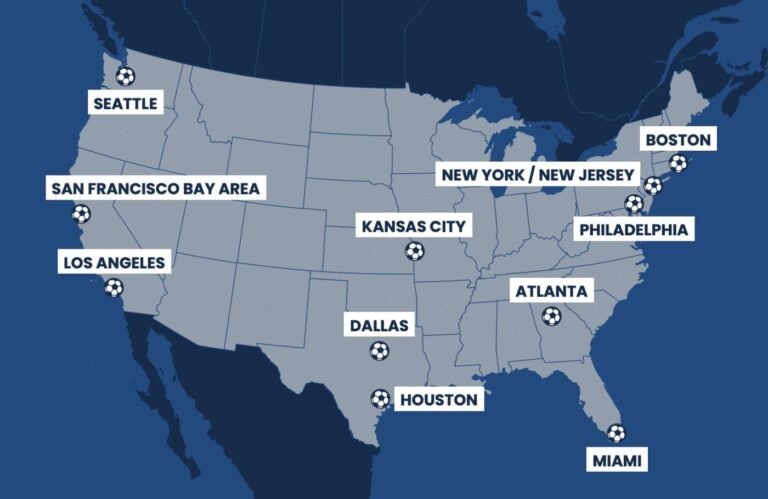
A recent Wall Street Journal report notes that New York hotels are actually seeing softer-than-expected occupancy heading into the FIFA World Cup period, despite massive expectations for tourism growth. Occupancy for June reportedly sat well below last year’s levels as of mid-May.
Some travelers appear to be hesitating.
Others may simply be recalculating value.
That question increasingly matters in affluent suburban communities around North Atlanta, where discretionary travel spending has remained relatively resilient even as households become more selective about where they splurge.
Many metro Atlanta travelers can still absorb higher prices. But the psychological threshold matters. There is a difference between “expensive but worth it” and “wait, are we spending nearly Disney-level money for a Manhattan weekend?”
That shift may quietly benefit other destinations competing for the same Southern upper-middle-class traveler.
Cities like Charleston, Savannah, New Orleans, Nashville, and even parts of Florida increasingly compete for the exact same discretionary vacation dollars flowing out of North Fulton and South Forsyth households.
And unlike New York, many of those destinations still allow travelers to drive instead of fly.
The irony is that this price pressure is arriving during a moment when many Americans already feel financially stretched by higher airline fares, elevated restaurant prices, and rising entertainment costs nationally. According to the same report, lower-income households have already begun reducing travel-related spending this year.
For now, Manhattan remains Manhattan. There is still no true substitute for New York at Christmas, a fall walk through Central Park, or a late-night downtown dinner after a Broadway show.
But for travelers leaving suburban Atlanta, the city may increasingly feel less like an easy spontaneous getaway — and more like a premium purchase requiring actual budgeting.
A Quiet Shift in American Travel
One broader trend may emerge from all this: fewer casual New York trips.
Instead of “let’s go for a long weekend,” travelers may begin treating Manhattan more like Europe-lite — a destination planned carefully, booked strategically, and visited less frequently but more intentionally.
That would represent a meaningful cultural shift for many affluent suburban travelers across the Southeast who spent years treating New York as a relatively routine domestic escape.
And ironically, the cost increase is not primarily being driven by jet fuel, airport congestion, or even inflation itself.
It may start with the hotel room key.
Manhattan Prices vs. Luxury Regional Escapes
A long weekend in Manhattan can now easily cross $4,000 to $6,000 for a family once hotel rooms, parking, Broadway tickets, restaurants, airport transfers, and airfare from Atlanta are included.
At the same time, several Southern luxury markets now compete aggressively for those same travelers.
In places like Highlands, Cashiers, Charleston, Savannah, and Florida’s Gulf Coast resort towns, travelers can often book larger accommodations, avoid flights entirely, and spread costs across a longer stay.
For affluent households in Alpharetta or Milton, that calculation increasingly matters. A five-hour drive to the mountains with fresh air, large rental homes, and upscale dining may begin to feel more rational than a compressed and increasingly expensive Manhattan itinerary.
That does not mean New York loses its cultural pull. It remains one of the world’s great cities. But the era of the relatively casual New York weekend may be fading for many suburban Southern families.
Why Hotel Labor Costs Are Rising Across Major U.S. Cities
Hotel labor costs have been climbing nationally across many large U.S. urban markets as the hospitality industry continues struggling with staffing shortages that began during the pandemic years.
When travel collapsed in 2020, hundreds of thousands of hotel workers left the industry entirely. Some moved into logistics, healthcare support, warehousing, food distribution, or remote customer-service work. Many never returned.
At the same time, hotel operators in expensive urban markets now face mounting pressure from housing costs, healthcare expenses, and inflation affecting workers themselves.
In cities like New York City, San Francisco, Boston, and Chicago, unions have also regained leverage as travel demand recovered faster than many expected.
That combination — fewer available workers, higher living costs, stronger unions, and sustained travel demand — is creating upward pressure on hotel wages nationally.
The result is visible not only in Manhattan room rates, but increasingly across many major American tourism markets where travelers are paying more for the same room, the same breakfast, and the same city they visited only a few years ago.
If this caught your attention, these stories may too.
Community Voice
A snapshot of reader views, not a scientific survey.
Explore Community Voice →About the Author


In North Atlanta
Best Expedia Summer Travel Deals From Atlanta Right Now

Gwinnett’s New Blight Tax Could Make Neglected Properties Much More Expensive to Hold

Delta Community opens Roswell branch on West Crossville Road

North Atlanta Family Outing Price Check: Four Tickets Range From Free to $68

What a Haircut Really Costs in North Atlanta in 2026
Atlanta’s World Cup Hotel Boom May Not Arrive the Way Many Expected
IN NORTH ATLANTA