 Exclusive sponsor
World Cup Dreams Meet Travel Reality in Atlanta
Atlanta is gearing up to host 2026 World Cup matches but faces softer international travel demand due to visa restrictions and rising costs. Local businesses may still benefit from regional fan support and overflow visitors.
Major local stories and useful updates, once a week.
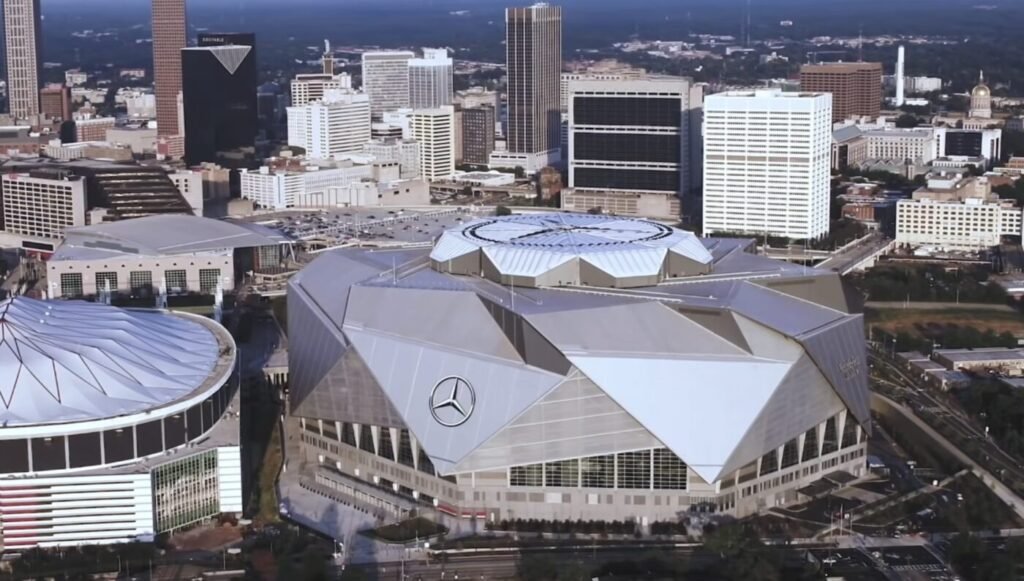
As the 2026 FIFA World Cup approaches, Atlanta is preparing for one of the largest international sporting events ever hosted in the city. Mercedes-Benz Stadium is expected to attract massive crowds next month, and local officials have spent years promoting the tournament as a global economic opportunity for Georgia.
But behind the excitement, parts of the travel and hospitality industry are beginning to acknowledge a more uncertain reality: international visitor demand may not be arriving as strongly as originally forecast.
The tournament, which runs from June 11 through July 19 across the United States, Mexico, and Canada, is expected to bring roughly 1.2 million international visitors to the United States overall. Yet hotel operators in several host cities say bookings remain softer than anticipated only weeks before kickoff.
According to survey data referenced in the Axios report, roughly 65% to 70% of hotel owners in host cities said visa barriers and geopolitical concerns are significantly reducing international travel demand. Around 80% reported bookings tracking below earlier projections.
Atlanta appears to be performing somewhat better than some other host cities, helped by the region’s international airport connections, corporate travel infrastructure, and team-related activity. Still, the softer-than-expected demand highlights how complicated the tournament has become politically and economically.
One major concern involves new U.S. visa restrictions affecting visitors from several countries participating in the World Cup.
Under the federal Visa Bond Pilot Program referenced in the report, travelers from certain nations may be required to place deposits ranging from $5,000 to $15,000 in order to receive tourist visas. Countries affected reportedly include Senegal, Tunisia, and Côte d’Ivoire — all nations with strong soccer followings and potential World Cup travel demand.
Meanwhile, travelers from some countries remain subject to broader U.S. travel restrictions, creating additional uncertainty for fans hoping to attend matches in person. The State Department later announced exemptions for some World Cup ticket holders using FIFA’s scheduling system, but industry groups say confusion around the rules may already be discouraging travelers.
At the same time, prices throughout the tournament ecosystem have climbed sharply.
FIFA has already sold more than 5 million tickets worldwide, but many remaining seats — particularly resale tickets — have become extraordinarily expensive. Some premium seats nationally have exceeded $11,000, while even upper-level resale seats for Atlanta’s opening match listings have approached $600.
FIFA has defended the pricing structure as consistent with the American entertainment market, but critics argue the tournament increasingly risks becoming inaccessible to ordinary fans.
Those costs extend beyond tickets alone.
International visitors now face unusually expensive airfare, elevated hotel rates, transportation costs, and complicated travel logistics across a geographically massive tournament spread over three countries and 16 host cities. For many fans, attending even a single match may require several thousand dollars in total spending.
In North Atlanta’s suburbs, the economic impact could still be substantial.
Hotels near Alpharetta, Perimeter, Buckhead, and the airport corridor may benefit from overflow demand, while restaurants, sports bars, breweries, and retail centers could see increased traffic during match weeks. Atlanta’s strong immigrant communities, particularly across Gwinnett County and parts of North Fulton, may also create a stronger built-in fan culture than some other American markets.
But the tournament is increasingly revealing a tension that extends beyond soccer itself.
The World Cup was originally promoted as a celebration of global openness and international connection. Yet this year’s event arrives amid tighter borders, geopolitical anxieties, rising travel costs, and growing concerns that international mega-events are becoming financially unreachable for many ordinary supporters.
Atlanta may still see enormous crowds next month.
The question is whether the atmosphere will feel like a truly global gathering — or a more expensive and restricted version of one.
More worth reading from around here.
Community Voice
A snapshot of reader views, not a scientific survey.
Explore Community Voice →About the Author


In North Atlanta

Atlanta Dream Fall 68–64 in Finals Opener; Game 2 Is Monday

Angel Reese Has Atlanta Dream Chasing Their First WNBA Title

What North Atlanta Should Know Today. Friday, Sept. 11, 2026
Medley Job Fair Looks to Fill 300 Positions Ahead of Johns Creek Opening

North Atlanta’s New Luxury Industry Is for Dogs
Your Next NYC Vacation Just Got More Expensive — And Not Because of Fuel
IN NORTH ATLANTA