Before MARTA Comes North, It Has to Answer the Trust Question
MARTA’s new railcar launch has been postponed, raising trust questions as North Atlanta suburbs consider transit that truly meets their travel needs. The delay highlights safety and service concerns key to expanding transit.
Get major local stories and development updates.
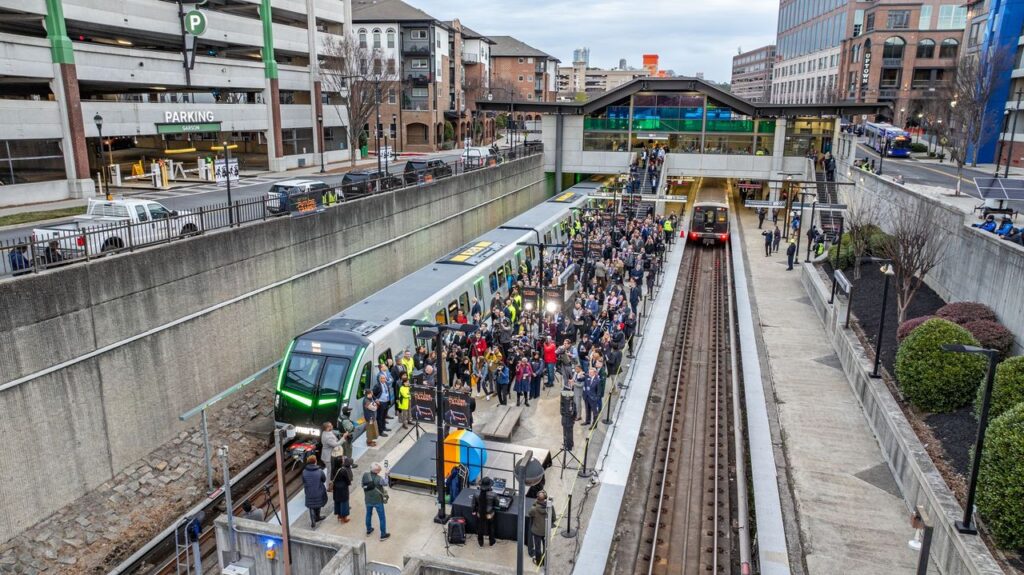
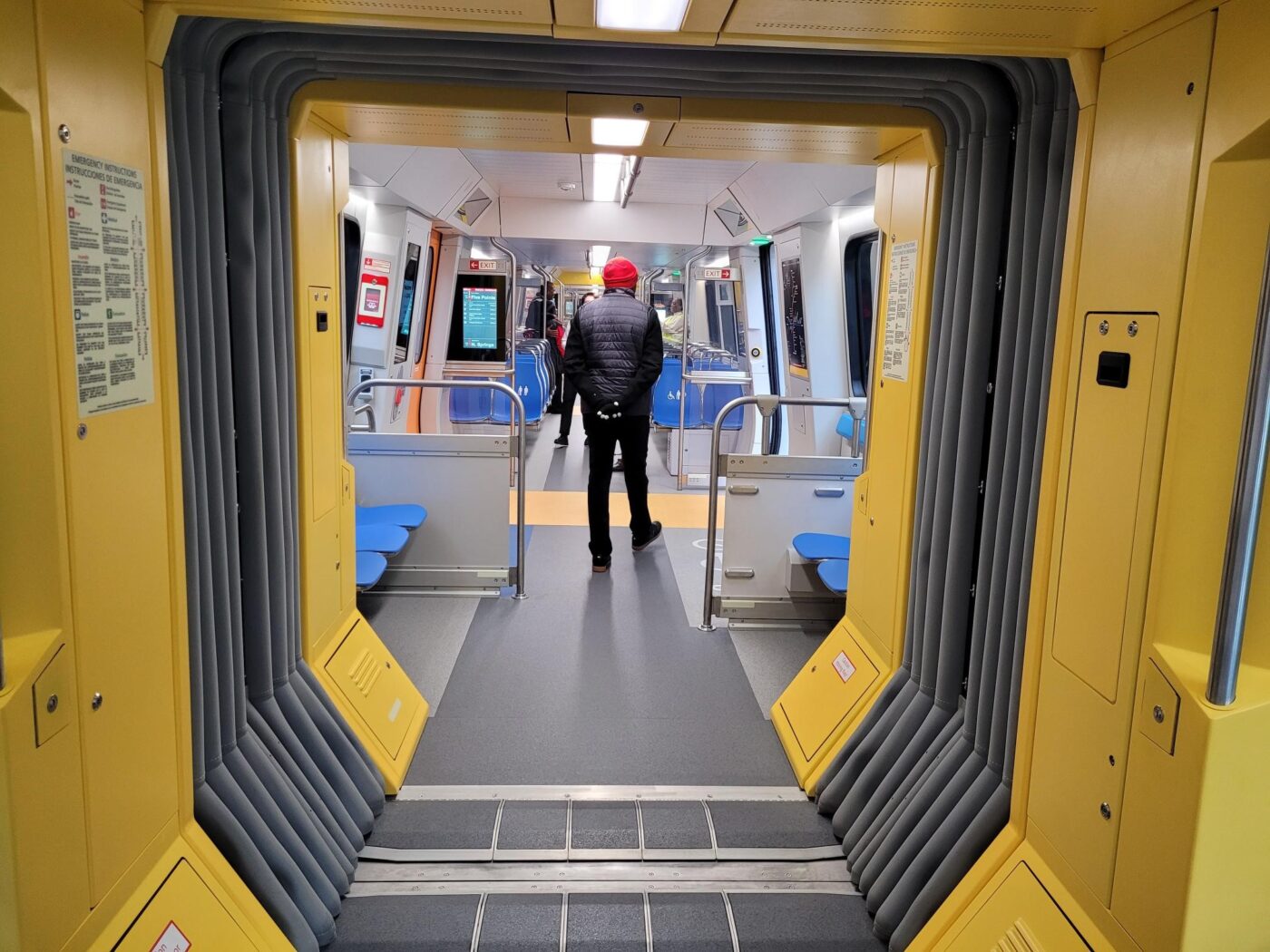
MARTA’s newest railcars were supposed to give metro Atlanta a cleaner, more modern public face just before the World Cup arrives. Instead, the launch of the agency’s new CQ400 trains has been postponed while testing and safety certifications continue, adding another layer of unease around a transit system already facing hard questions about reliability, security and public confidence.
For Atlanta, the delay is embarrassing. For North Fulton, South Forsyth and the wider suburban corridor, it is something else: a reminder that transit expansion is not only about trains, routes and ribbon cuttings. It is about trust.
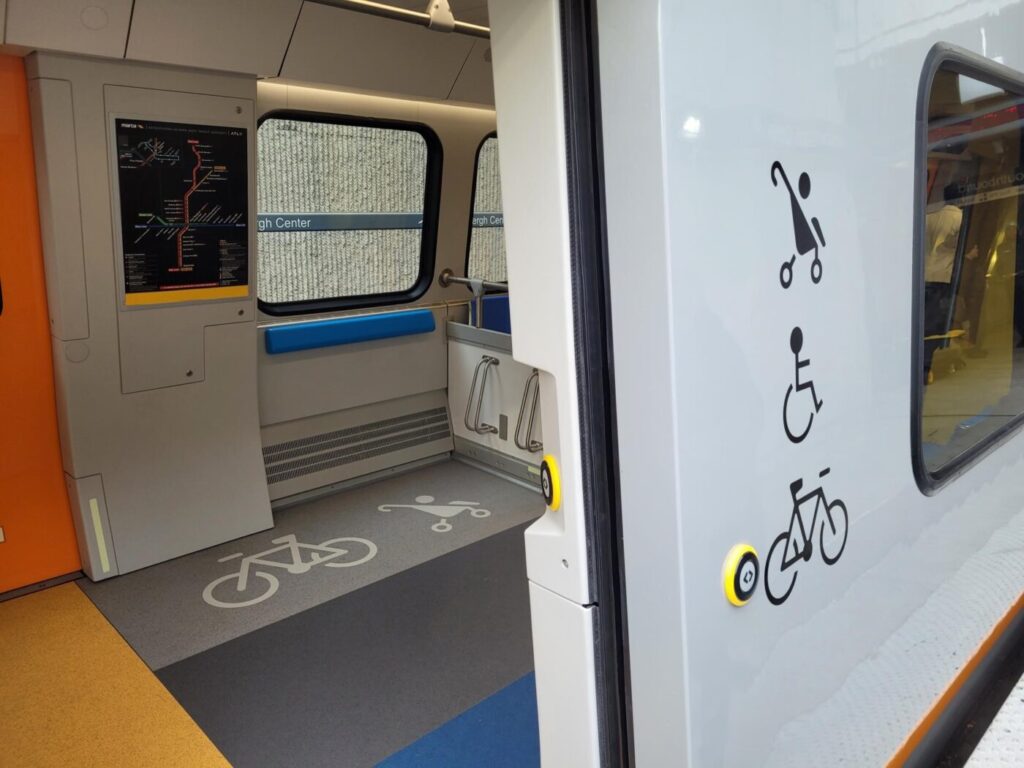
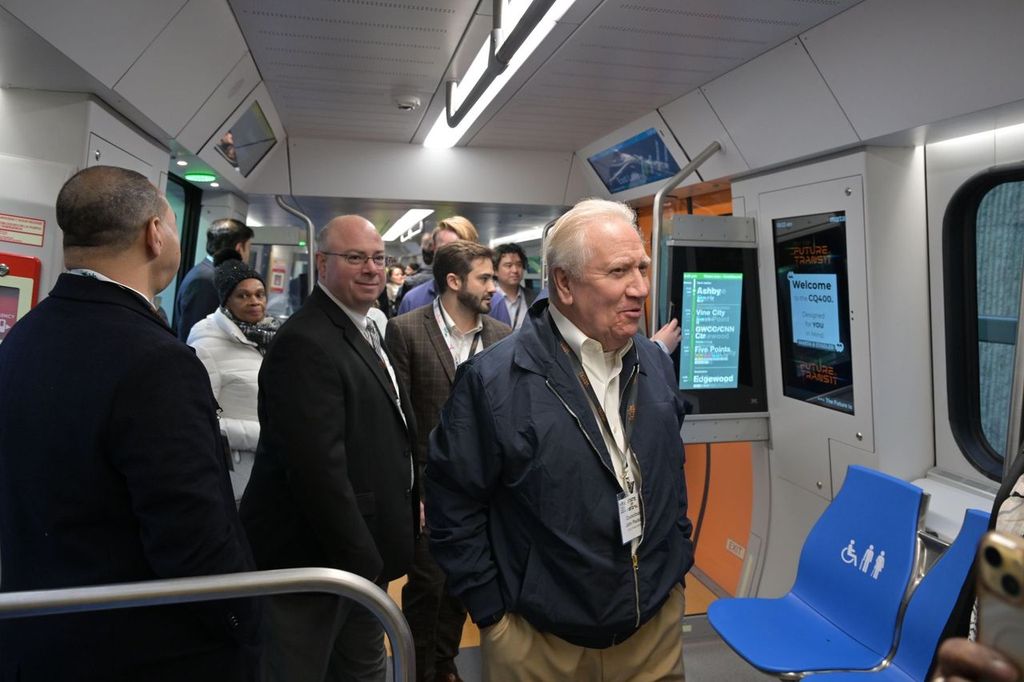
The new railcars were expected to enter service after a planned inaugural ride on June 4, following the same symbolic route taken during MARTA’s first ride in 1979. The cars, built by Stadler, have been promoted as a major upgrade, with open gangways, improved accessibility, brighter lighting, cameras, emergency call buttons, phone charging and space for luggage. MARTA has said the trains will not carry passengers until testing and required safety checks are complete.
That may be the responsible decision. It is certainly better to delay a launch than rush a railcar into service before it is ready. But the timing is difficult. Atlanta is about to host eight FIFA World Cup games at Mercedes-Benz Stadium from June 15 to July 15, and MARTA had hoped the new fleet would help present a stronger image to global visitors.
The delay also comes as MARTA is under renewed scrutiny after a deadly stabbing aboard a train headed toward Oakland City Station. Public safety concerns are not abstract for riders, and they are not abstract for suburban families deciding whether they would ever want deeper MARTA service near their communities.
That is where the North Atlanta angle becomes important.
For decades, many suburban debates about MARTA have been reduced to a simple yes-or-no question: should MARTA come north? But that framing is too shallow. The better question is whether the region has a transit model that fits the suburbs at all.
Johns Creek, Alpharetta, Milton, South Forsyth, Suwanee and Duluth do not function like central Atlanta. People here often travel between office parks, schools, medical centers, shopping districts, neighborhoods, parks and youth sports venues. The daily pattern is not always a straight commute into downtown. A heavy rail extension may sound impressive on a planning map, but it does not automatically solve the way suburban residents actually move.
That does not mean North Atlanta should reject transit. It means residents have every right to be cautious about what kind of transit is offered, who pays for it, how safe it is, and whether it improves daily life without creating new problems.
A practical suburban transit future might look less like a full MARTA rail expansion and more like targeted, high-quality service: express buses to major job centers, park-and-ride connections, airport links, circulator routes near Avalon, North Point, Johns Creek Town Center, Halcyon, downtown Duluth and Suwanee Town Center, and future autonomous or on-demand shuttles where density supports them. Those ideas can be discussed on their own merits.
But any proposal connected to MARTA now faces a confidence test. If the agency cannot roll out new trains on schedule before a global event, and if riders are questioning safety on the existing system, suburban leaders will be under pressure to ask harder questions before endorsing deeper integration.
North Atlanta residents are not wrong to want transportation options. Traffic on GA-400, McGinnis Ferry Road, Medlock Bridge Road, Peachtree Parkway and the broader North Fulton-South Forsyth corridor is not going away. Growth has made mobility one of the region’s defining issues. But residents are also not wrong to expect a system that feels clean, safe, dependable and locally useful.
That is the key distinction. The suburbs do not need to inherit Atlanta’s transit politics. They need a transportation strategy shaped around suburban reality.
MARTA’s delayed train debut should not end the conversation about transit in North Atlanta. It should make the conversation more serious. Before anyone asks suburban communities to buy into a larger MARTA future, the agency and regional leaders need to show that the system can meet basic expectations: safe stations, safe trains, reliable equipment, clear accountability and service that matches the way people actually live.
For now, the postponed railcar launch sends a simple message to the suburbs: caution is not anti-transit. It may be common sense.
More worth reading from around here.
About the Author


In North Atlanta

Georgia Senate Race Revives North Atlanta’s Ticket-Splitting Question

What North Atlanta Should Know Today. Friday, Sept. 11, 2026

North Atlanta Weekend Guide: Festivals, Dogs, Live Music and the First Feel of Fall

Dervish Plans 200-Seat Turkish Restaurant in Johns Creek

Dumpling Master Opens at Peachtree Corners Town Center

ANDRITZ Is Hiring Engineers and Project Leaders in Alpharetta
IN NORTH ATLANTA