Electric Dirt Bikes Are Giving Cities a New Enforcement Problem
Electric dirt bikes are growing in popularity in North Atlanta but are challenging local safety and enforcement rules. These fast, quiet vehicles often cross regulatory lines between bicycles and motorcycles, raising concerns for residents and officials managing roads and trails.
Get major local stories and development updates.
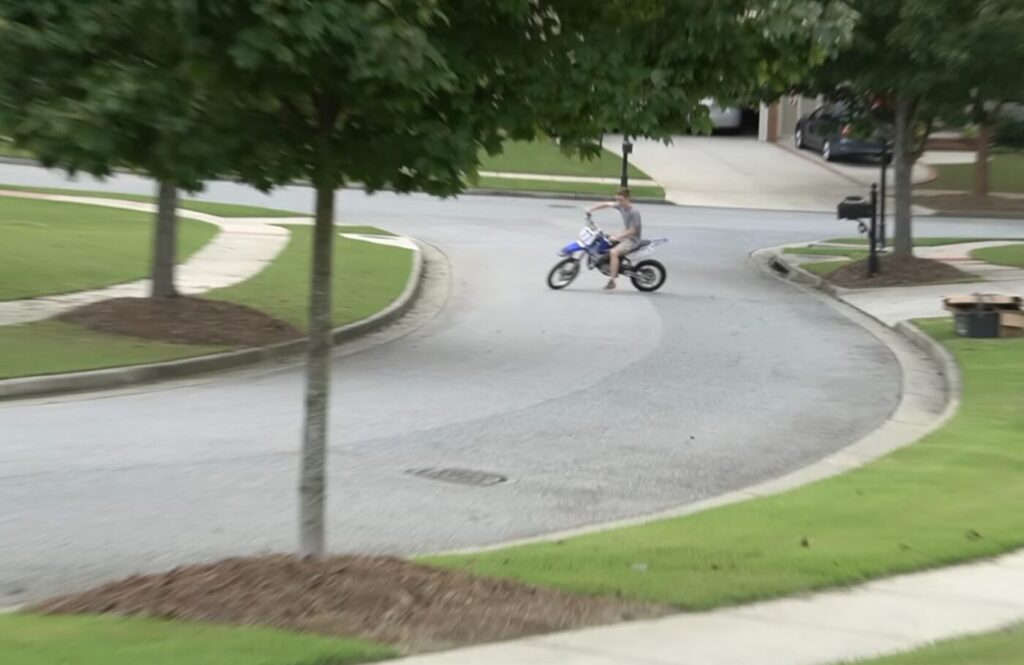
The new rebel motorcycle does not always look like a Harley. In many neighborhoods now, it looks smaller, quieter and more confusing: an electric dirt bike that a teenager can order online, ride out of a garage and take onto a road, sidewalk or trail before anyone agrees what it actually is.
A recent Wall Street Journal article framed the rise of e-motos as one of the new developments in the motorcycle world. The bikes are cheaper than traditional motorcycles, easy to ride and popular with younger riders who may have little interest in gas engines, clutches or dealership culture. Some can top 45 or 50 mph. Many are sold as off-road machines. Few fit comfortably into the rules that most suburban parents associate with bicycles.
That national story already has a local version in North Atlanta.
In Forsyth County, Sheriff Ron Freeman recently warned parents after deputies saw kids riding too fast and breaking the rules on electric bikes and e-motorcycles. Channel 2 Action News reported that Freeman stopped a child on Post Road after the rider passed a car on the right at 45 mph. Deputies, he said, would document violations, contact parents and take stronger action if the behavior continued.
That one road detail matters. Post Road is not some urban stunt corridor. It is ordinary Forsyth County traffic, the kind of road families use for school, errands, subdivisions and youth sports. That is what makes the e-moto issue different here. In North Atlanta, the concern is not only young riders doing wheelies in a downtown street. It is whether fast electric motorcycles are slipping quietly into places designed for bicycles, walkers and neighborhood traffic.
The Line Between an E-Bike and an E-Motorcycle
The confusion begins with language. Parents may hear “e-bike” and picture a pedal-assisted bicycle. Riders may see “electric dirt bike” and treat it as a toy. Police may see a motor vehicle.
Georgia’s own vehicle definitions make the distinction important. To be treated as an electric assisted bicycle, the device must have working pedals and meet limits on motor power and speed. Many of the fast e-motos now drawing attention do not look or operate like that. They often have foot pegs instead of pedals, dirt-bike tires and enough power to move at traffic speeds.
That puts them in a different category from the e-bikes North Atlanta cities have been trying to accommodate. Johns Creek approved new e-bike regulations this year that allow Class I and Class II e-bikes on city sidewalks and trails, except inside city parks. Class III e-bikes are restricted to roads only. In practical terms, the city is trying to say yes to slower electric mobility while keeping faster machines away from pedestrians.
Alpharetta has been working through the same tension for years on the Big Creek Greenway. Electric bikes were allowed on Alpharetta’s section of the Greenway in 2021, but even then, local officials were concerned about crowding, speed and safety on a path used by walkers, runners, cyclists, families and older residents. The Greenway is one of the clearest examples of the local problem: the same pavement now serves recreation, commuting and new forms of motorized movement.
Forsyth County’s park rules also draw a line. Class I and Class II electric bicycles are permitted, while faster or more motorized devices are treated differently. For a parent, that may sound technical. On a trail, it is simple. A bike moving at ordinary bicycle speed belongs in a different conversation than a machine capable of keeping up with cars.
Why North Atlanta Is a Natural Market
E-motos fit the suburbs in ways that make the trend likely to grow. They are quiet enough not to announce themselves from blocks away. They are small enough to store in a garage. They are cheaper than a new motorcycle. They appeal to teenagers who want independence and to parents who may see them as an outdoor alternative to screens.
That is exactly why the issue is harder than a simple ban. North Atlanta families already use e-bikes for recreation, school trips, neighborhood riding and short errands. In places like Johns Creek, Alpharetta, Suwanee and South Forsyth, where many subdivisions sit near schools, parks and greenways, electric mobility can make sense. A slower e-bike can replace a short car trip. It can help a teen get to practice. It can let an adult ride farther than a traditional bicycle.
The problem comes when the machine is no longer really a bicycle. A 20 mph pedal-assisted bike on a greenway is one thing. A 50 mph electric dirt bike on a sidewalk, neighborhood road or crowded trail is another. The rider may be young. The vehicle may be unregistered. The training may be minimal. The road may be full of SUVs.
That combination is what local officials are now being forced to confront.
The Parent Problem
The biggest gap may be at the point of purchase. Many of these machines are bought online, delivered to a driveway and assembled outside the traditional motorcycle world. That means no dealership conversation, no license discussion, no motorcycle safety course and no clear moment when a parent is told: this may not be legal on the street.
North Atlanta parents are used to researching schools, neighborhoods, sports programs and college admissions. They may now have to research motor wattage, top speed, pedals, registration rules and local trail ordinances before buying what looks like a larger version of a child’s bike.
The safest local rule of thumb is also the simplest. If it has pedals, stays within ordinary e-bike speed limits and fits Class I or Class II rules, it is likely part of the e-bike conversation. If it has foot pegs, dirt-bike styling and can run near traffic speed, it should be treated as a motor vehicle question, not a bicycle question.
That distinction may decide where it can be used, whether it needs registration, whether a rider needs a license and whether it belongs anywhere near a greenway.
The Local Fight Ahead
For North Atlanta cities, the e-moto issue is arriving at an awkward time. Communities are trying to reduce short car trips, make trails more useful and give families more transportation options. At the same time, sidewalks and greenways are already crowded, and suburban roads were not designed for inexperienced riders on fast, silent machines.
The issue is not whether North Atlanta should welcome e-bikes. It already has. The issue is whether fast electric dirt bikes should be allowed to blur the line between bicycle and motorcycle until an accident forces a harder answer.
That is the suburban version of the national e-moto story. The bikes may look like freedom to young riders and like fresh opportunity to the motorcycle industry. Around here, they also look like the next argument at City Hall, the next call to a police department and the next family purchase that deserves a closer look before the box arrives at the front door.
If this felt close to home, these stories may be worth your time too.
Follow this story
Keep me updated
North Atlanta Star will email you when an editor approves a follow-up to Electric Dirt Bikes Are Giving Cities a New Enforcement Problem.
Story updates only. No newsletter signup.
About the Author


In North Atlanta
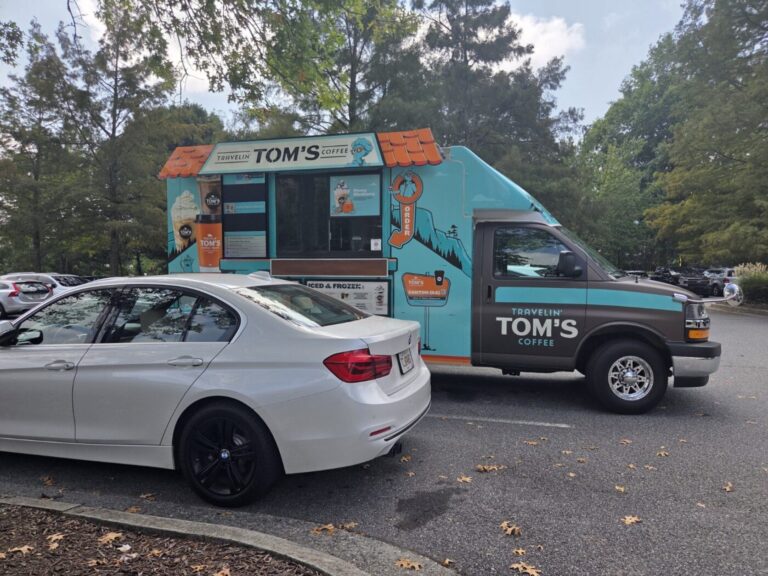
5 Coffee Trucks and Mobile Cafés Worth Finding Around North Atlanta
What North Atlanta Should Know Today. Sunday, Sept. 13, 2026

North Atlanta’s NHL Race Is No Longer Just Alpharetta vs. South Forsyth

At Read It Again, the Bookstore Comeback Is About Community

What North Atlanta Should Know Today. Friday, Sept. 11, 2026

Gwinnett Tech Leaders Say the Four-Year Degree Is No Longer the Automatic First Choice
IN NORTH ATLANTA