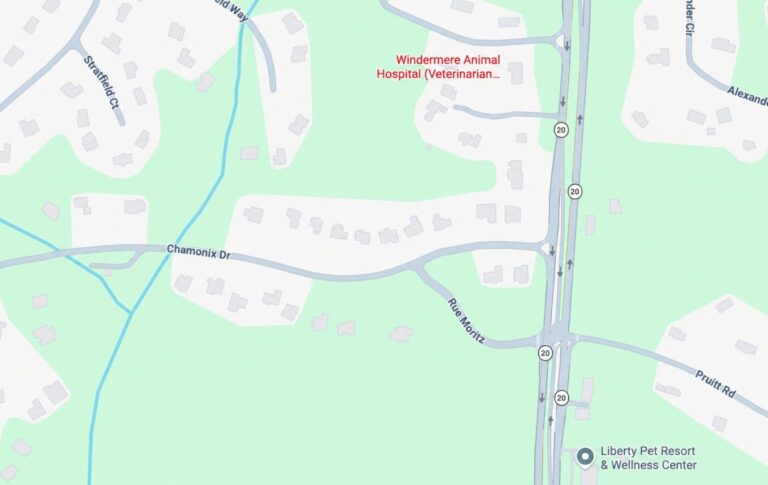
Why Your Neighborhood Stormwater Pond Isn’t Just Scenery
Stormwater ponds in North Atlanta neighborhoods do important work managing rainwater runoff and preventing flooding. Their maintenance depends on ownership and local laws, and regular checks are key to keeping them effective year-round.
Get major local stories and development updates.
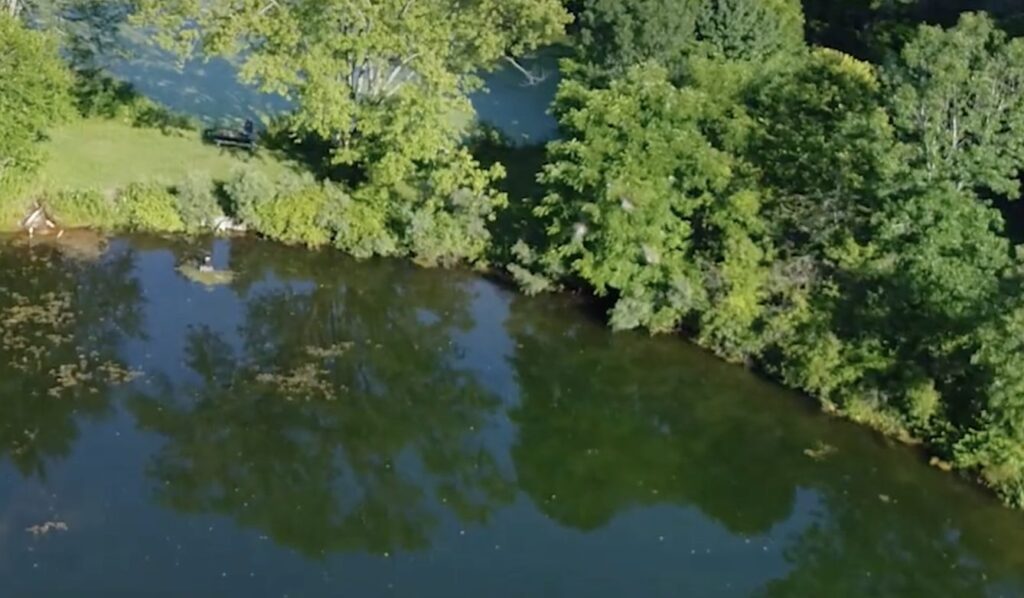
A pond at the edge of a subdivision can look like a landscaping feature. A grassy basin behind a shopping center can look like unused land.
Both may be doing essential work: holding rainwater long enough to keep it from rushing downstream all at once.
Across North Atlanta, these spaces belong to a drainage network that connects roofs, driveways, streets and creeks. Understanding how they work helps explain why an empty basin may be healthy, why a full pond may need attention and why the repair bill does not always belong to the government.
Why development needs somewhere to hold the rain
On undeveloped land, some rainfall soaks into the ground. Rooftops and pavement interrupt that process, sending more water across the surface more quickly. A subdivision’s drainage system must manage not just where that water goes, but how fast it arrives.
Stormwater ponds help slow that movement. They can also capture sediment and reduce pollution before runoff continues downstream. In Gwinnett, the stormwater system is separate from the sanitary sewer system. Water entering a street drain does not take the same treatment-plant journey as water flushed down a toilet.
That distinction makes the condition of a neighborhood’s drains and ponds important well beyond its entrance sign.
An empty pond may be working properly
A dry detention basin temporarily stores runoff, then releases it through a controlled outlet. Its grassy bottom is designed to drain between storms.
A wet detention basin, by contrast, maintains a permanent pool. Seeing water there is normal. The first question is therefore not whether the pond looks full or empty, but what kind of facility it is.
For dry basins, Gwinnett’s maintenance guidance flags water remaining more than 48 hours after the last rain as a possible problem. It recommends inspections at least quarterly and after storms producing more than an inch of rain.
Warning signs include blocked openings, accumulated sediment, erosion and cracked structures. A basin can appear neatly mowed while its outlet is failing.
Who maintains it?
Public drainage and private drainage often meet in the same neighborhood.
Gwinnett maintains public stormwater infrastructure, but many ponds, pipes and drainage channels remain the property owner’s responsibility. A government inspection does not mean the government owns the facility or will pay for its repairs.
For a neighborhood association, the useful starting point is the property paperwork: who owns the pond parcel, what maintenance agreements apply and whether the association’s budget includes that work. Residents should ask the HOA or property manager for the latest inspection and any outstanding repair recommendations.
Municipal boundaries also affect whom to contact. Duluth, Sugar Hill and Peachtree Corners operate their own stormwater programs; Gwinnett’s county utility serves unincorporated areas and Lilburn. The county’s stormwater FAQ explains that division. Receiving county drinking water does not, by itself, establish who handles a drainage problem.
Sediment takes away space the next storm needs
Ponds collect material as well as water. Over time, sediment occupies space that previously held runoff.
Roswell Area Park offers a visible local example. Its pond receives runoff from a 52-acre drainage area. Accumulated sediment reduced its storage capacity, while deteriorated pipes and a leaking embankment created additional problems. The pond rehabilitation project included dredging and redesigned stormwater structures, not simply improvements to the view.
Private neighborhood ponds need attention to the same kinds of components, although their repair needs and costs vary. For wet detention basins, Gwinnett recommends regular checks of inlets, outlets, the dam and sediment accumulation. Suspected seepage warrants professional evaluation.
Fall maintenance starts before the pond
As leaf season approaches, residents can help without entering a basin or touching its structures.
Leaves, branches and grass clippings can obstruct drains and pipes. Keep yard waste out of the street and drainage system, and make sure landscaping crews do the same. Gwinnett’s waterway protection guidance recommends containing that material on the property or using approved disposal bags.
Structural repairs are different from yard cleanup. Do not enter outlet structures or attempt maintenance during wet weather; confined-space work requires specially trained professionals.
For homeowners, the most useful question at the next association meeting may be a simple one: When was our stormwater pond last inspected, and what needs fixing?
The pond’s appearance is only part of the answer. Its real test comes when the rain arrives.
About the Author


In North Atlanta

Roswell Area Park Pond Reopens After $3.1 Million Restoration

5 Coffee Trucks and Mobile Cafés Worth Finding Around North Atlanta

At Edison Prep, Brian Eufinger Says Test Prep Starts With the Student, Not the Score

Gwinnett Police Hiring Event Offers $55,923 Starting Pay and Paid Training
North Atlanta Added 11,000 Residents, but the Growth Is Concentrated in Three Cities
North Atlanta’s Job Market Splits as Health Care Grows and Office Work Shrinks
IN NORTH ATLANTA