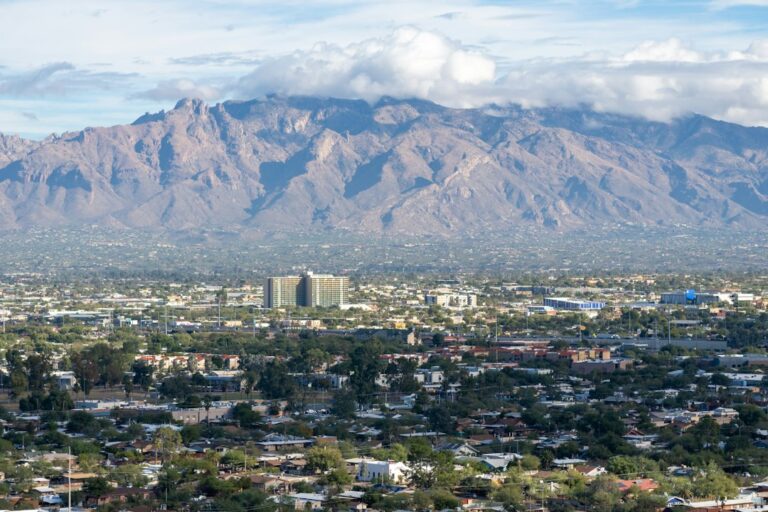
Southwest Florida’s Boom Is Cooling. Housing Is Still Expensive
New FGCU regional economic data show steadier tourism, slow housing sales and sharply fewer listings across Southwest Florida.

Get the week’s jobs, development, housing and growth stories from across the Sun Belt in one email.
Southwest Florida’s economy is settling into a slower rhythm after years when new residents, rising home prices and booming tourism were the defining features of the region.
That does not mean the cost of living has come back down. New economic indicators show little growth in home sales, a sharp decline in active housing listings and very different prices among neighboring coastal markets. Tourism revenue, meanwhile, has remained comparatively resilient even as airport passenger traffic flattened.
The picture emerging from Florida Gulf Coast University’s November 2026 regional economic report is not a collapse. It is the more complicated transition to a slower-growing economy that remains costly for many residents.
The housing market isn’t moving very fast
Existing single-family sales across Lee, Collier and Charlotte counties rose only 0.4% in September from a year earlier, while active residential listings were down 15.4%.
Home prices reveal why the region cannot be described as one market. The median existing single-family home in the Naples-Immokalee-Marco Island area cost $785,000 in September, compared with $375,500 in the Cape Coral-Fort Myers area and $344,000 in the Punta Gorda market.
The year-over-year increases were relatively modest, ranging from 0.1% in the Cape Coral-Fort Myers area to 4.2% in Punta Gorda. Slower price increases, however, are different from the substantial price reductions needed to make many properties affordable to local wage earners.
Florida Gulf Coast University’s housing sales data also show sales down from August, a sign that activity can remain subdued even when headline annual comparisons stay slightly positive.
Visitors still bring money, but fewer new passengers
Passenger traffic at the region’s airports has been broadly flat, with September airport activity down 1% from the same month in 2025. Yet tourist-tax revenue rose 6.7% between August 2025 and August 2026.
Those figures measure different things. Tourist taxes reflect spending on taxable lodging, which depends on room prices, the length of stays and the number of visitors. Passenger totals reflect airport activity, including travelers who may be local residents or people visiting for reasons unrelated to leisure.
The gap helps explain why a coastal destination can generate more visitor revenue without experiencing the kind of fast-growing passenger traffic associated with a tourism boom.
Jobs and construction offer mixed signals
The regional unemployment rate reached about 4.7% in September, compared with 4.4% statewide. The coastal counties nonetheless added approximately 9,300 jobs over the year, with growth concentrated in areas including leisure and hospitality, health care and professional services.
Construction is not at a standstill. Single-family permits rose 0.8% from September 2025 to September 2026, while the third-quarter total improved from the preceding quarter. These figures suggest continued development, but not a return to the breakneck momentum experienced in earlier years.
The FGCU regional economic dashboard tracks housing, employment, tourism, permits and other indicators as they change. The figures offer a reminder that local economic conditions can be pulled in several directions at once.
When growth slows without improving affordability
A region can be popular, attract visitor spending and maintain construction activity while still becoming difficult for workers to afford. Housing costs accumulated during the boom years do not quickly disappear when sales volume cools.
For Southwest Florida, the next phase depends on whether paychecks grow faster than essential expenses, whether housing availability begins to recover and whether tourism and local employment can support households without requiring constant population growth.
The latest numbers offer neither an alarm nor an all-clear. They point to a maturing Sun Belt economy whose expansion has slowed, while some of the costs created during its rapid growth remain firmly in place.
Community Voice
A snapshot of reader views, not a scientific survey.
Explore Community Voice →About the Desk

Across the Sun Belt

Sun Belt Home Prices Are Flattening. Buyers Still Can’t Afford Them

10 of 11 States Above the National Poverty Rate Are in the South
Florida Home Insurance Rates Are Finally Falling for Thousands of Homeowners
Sprouts Is Following Sun Belt Growth Into the Next Ring of Suburbs
Texas Cities See New Leverage on Housing, Transit and Local Control