Florida’s Manatee Refuge Turns 40. Its Biggest Challenge Lies Ahead
Tampa Electric's Manatee Viewing Center celebrates 40 seasons, but Florida's manatees face a difficult future as industrial warm-water refuges change.
Get the week’s jobs, development, housing and growth stories from across the Sun Belt in one email.
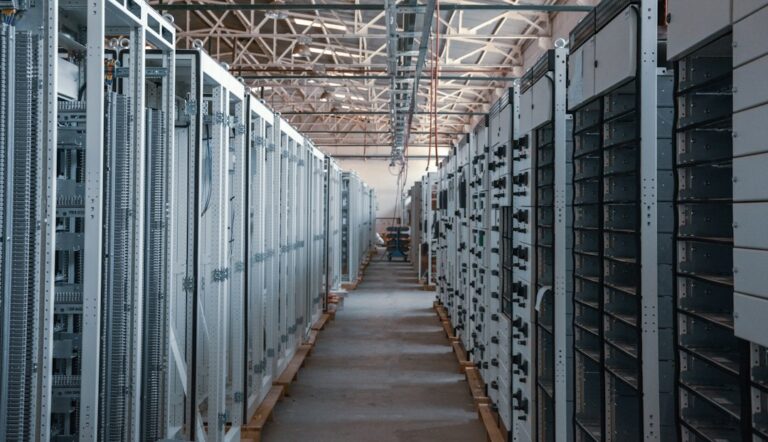
On a cold Florida morning, one of Tampa Bay’s most extraordinary wildlife gatherings can take place beside a power station. Manatees slip into a warm-water canal in Apollo Beach, sometimes by the hundreds, seeking shelter from temperatures that can threaten their survival.
Tampa Electric’s Manatee Viewing Center has opened its 40th season, welcoming visitors free of charge to watch the animals from boardwalks and explore a conservation campus. Last season, a record 2,100 manatees gathered in the canal on a single very cold day. But the anniversary raises a question that is considerably harder than planning a family outing: what will happen to Florida’s manatees when some of the power plants that help them survive winter eventually stop producing warm water?
Why manatees gather at an electric plant
Manatees began using the warm-water discharge at Tampa Electric’s Big Bend Power Station in the early 1970s. Water from Tampa Bay is used to cool the plant, then returns to the bay warmer than before. When surrounding waters fall to around 68 degrees Fahrenheit or below, the canal becomes a refuge for animals vulnerable to cold stress.
The animals have kept returning. Tampa Electric has documented about 190 individuals using the canal for more than 20 years, and one returning manatee has been tracked for more than four decades. The warm-water area is protected as a state and federal manatee sanctuary.
The company’s 40th-anniversary announcement says the center has welcomed more than 8.7 million visitors since opening, with nearly 400,000 arriving during a typical season.
A refuge with an uncertain long-term future
Warm water is not a luxury for manatees. Florida’s Fish and Wildlife Conservation Commission estimates that about 60% of the state’s manatee population depends on industrial warm-water sources during cold weather. Prolonged exposure to colder water can disrupt digestion, lower body temperature and prove fatal.
Historically, manatees relied on natural springs and other reliably warm areas. As electricity plants developed along the coast, their heated outflows created additional winter habitat. Generations of animals learned to return to those artificial refuges, making the sites important to the survival of many of today’s manatees.
But power plants age, change operations and eventually retire. Their loss of thermal discharge could deprive the animals of places they have used for decades. Conservation efforts therefore face a long transition: protecting existing refuges while developing sustainable alternatives, including restoring access to natural warm-water sites where possible.
What’s new for visitors this season
The center’s cownose rays now live year-round in their touch-tank habitat. There is also a new freshwater-turtle exhibit, public access to a Florida wildlife agency fish hatchery, an observation tower and walking trails. The surrounding conservation and technology campus covers about 500 acres.
Admission and parking remain free. The Manatee Viewing Center, at 6990 Dickman Road in Apollo Beach, is scheduled to open from 10 a.m. to 5 p.m. daily through April 15, except Thanksgiving, Christmas and Easter. It closes early on Christmas Eve. The number of manatees varies with weather and water temperature, so a visit does not guarantee a large gathering.
Boaters also have a role in protecting them. In its November manatee-awareness guidance, the state wildlife agency reminded people to slow down and watch for animals moving toward warm-water refuges as winter approaches.
For four decades, the Apollo Beach center has made a remarkable Florida wildlife story accessible to visitors. Its next chapter will depend partly on something less visible from the boardwalk: whether manatees can keep finding safe, dependable winter warmth as the state’s energy system changes.
Community Voice
A snapshot of reader views, not a scientific survey.
Explore Community Voice →About the Desk

Across the Sun Belt
Southwest Florida’s Boom Is Cooling. Housing Is Still Expensive
A $950 Million Solar Factory Plan Could Turn a Texas Campus Into a Domestic Supply Hub
Chiricahua Becomes a National Park, Without Dedicated New Funding

Trader Joe’s Plans Five New Stores in Texas, Florida and Arizona
Florida Faces Long Recovery After Hurricane Isaias as Thousands Remain Without Power and Emergency Aid Opens