 Exclusive sponsor
This North Atlanta City Stands Out for LGBTQ Inclusivity
Major local stories and useful updates, once a week.
North Atlanta’s LGBTQ life rarely looks like a single “scene.” It is more often a network: a support meeting in a library room, a Pride walk down a historic main street, a counseling practice that clearly states affirming care, a youth club listed on a school website, or a faith community that chooses visible welcome.
In suburbs like Alpharetta, Roswell, Duluth, Suwanee, Milton, Cumming, and Johns Creek, daily life runs through schools, parks, town centers, and family schedules more than nightlife districts. When inclusivity is present, it shows up in practical ways — what protections exist at the county level, what events appear on official calendars, which institutions use inclusive language, and where residents can gather without second-guessing whether they belong.
What follows is a grounded look at where LGBTQ residents in North Fulton, South Forsyth, and West Gwinnett tend to find community, what local institutions signal publicly, and which cities currently feel most visibly supportive.
Municipal Signals of Inclusion
In suburban North Atlanta, municipal support tends to show up in three forms: county-level nondiscrimination protections, public recognition such as Pride proclamations, and Pride-branded programming included in mainstream city event calendars.
In Gwinnett County, a nondiscrimination ordinance adopted by the county commission in 2024 extended protections to LGBTQ residents in certain contexts within unincorporated areas. While that “unincorporated only” detail matters for incorporated cities like Duluth, Suwanee, and Peachtree Corners, the ordinance still signals a broader institutional posture within the county.
Fulton County amended its human relations code in 2022 to include sexual orientation, gender identity, and gender expression in public accommodations and housing provisions for unincorporated areas. The county’s employment policies also explicitly name sexual orientation and gender identity/expression among protected categories. That language is especially relevant for public-sector employment and county-affiliated workplaces.
Public recognition is quieter but visible. Fulton County has placed Pride-related proclamations on official meeting agendas in recent years, and city messaging across North Fulton frequently references inclusion as a core civic value.
Among city governments, Duluth stands out for putting Pride-branded programming directly into its official events calendar. Its “Rock The Block: Pride Celebration” appears alongside other city-hosted events, placing Pride squarely within mainstream civic life.
Roswell’s municipal tone is less event-branded but still structured around inclusion. The city lists “Inclusion” among its core values, and local nonprofit activity reinforces that civic framework.
In Johns Creek and Alpharetta, city government language tends to follow standard equal-opportunity formulations. LGBTQ-specific signals are more likely to be found in community organizations, support groups, and institutional programming than in overt municipal branding.
Community Life & Events
In North Atlanta’s suburbs, inclusivity becomes tangible when residents can show up — in daylight, in public spaces, in ways that feel normal rather than exceptional.
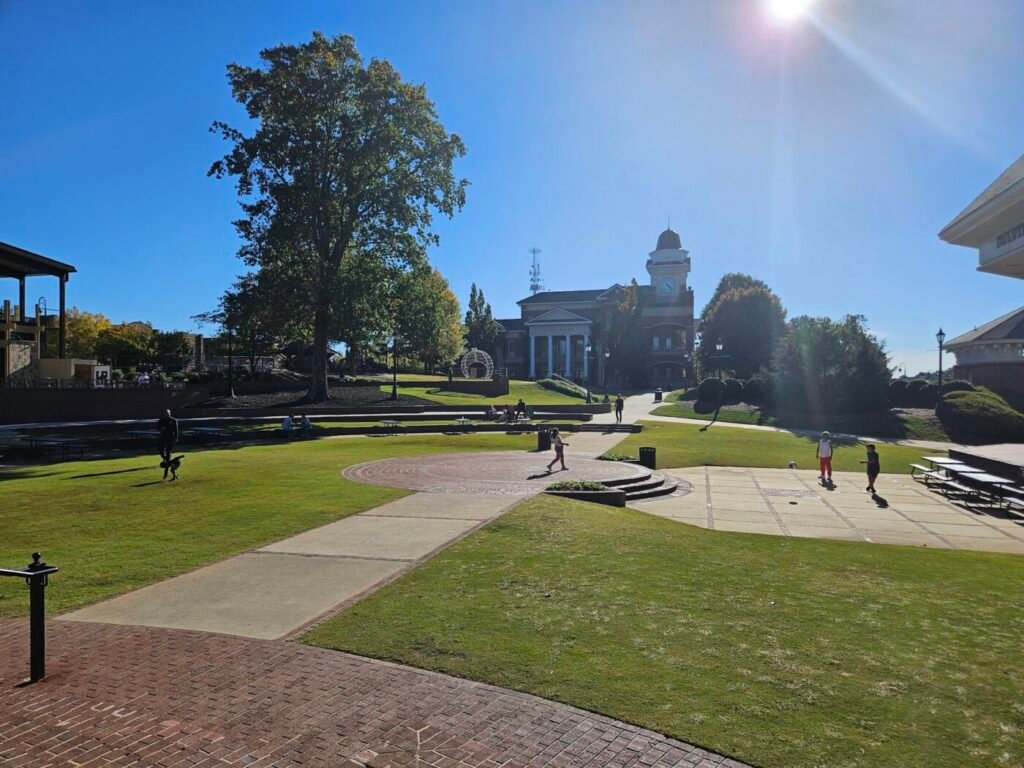
Roswell has seen some of the most visible grassroots activity in the area. Pride walks through downtown Canton Street have created public moments of visibility that feel distinctly suburban — families on sidewalks, local businesses open, and participants moving through familiar streets. Community-organized events such as Pride-themed social gatherings and prom-style celebrations offer adults a dedicated space to connect without leaving North Fulton.
In Gwinnett County, Pride visibility often centers on county-supported events in public parks. Festivals with music, vendors, and family-friendly programming have drawn residents from Duluth, Suwanee, and Peachtree Corners. When Pride appears as a county-backed public event, it signals normalization rather than niche status.
Duluth’s inclusion of Pride under its signature “Rock The Block” programming reinforces that same message: Pride is treated as part of city life.
Libraries also play a quiet but important role. In North Fulton, Pride-themed programming and curated reading lists create low-drama entry points for teens and parents. For many families, that library room is the first space where questions can be asked without tension.
LGBTQ-Friendly Businesses & Spaces
In North Atlanta, “LGBTQ-friendly” rarely means a district lined with rainbow storefronts. More often, it means reliable spaces that are structurally welcoming — support groups with regular meeting schedules, faith communities that clearly identify as affirming, and professional services that explicitly state inclusive care.
One of the most important family-oriented anchors in the region is PFLAG Johns Creek. For parents of LGBTQ teens — and for adults navigating their own coming-out journeys — a local PFLAG chapter often represents the difference between isolation and community. Nearby chapters in Sandy Springs also serve North Fulton residents, hosting monthly support meetings for teens, adults, and families.
Faith communities form another layer of infrastructure. The Episcopal Diocese of Atlanta maintains a list of congregations that identify as welcoming and affirming to LGBTQ members. Within North Fulton and South Forsyth, that includes congregations in Roswell, Suwanee, Milton, and Cumming. For residents who want both suburban life and an explicitly affirming faith home, those signals matter.
In Alpharetta, family support has also appeared within larger institutions. North Point Community Church hosts “Parent Connect” gatherings for parents of LGBTQ children. In a suburban context where church life remains central for many families, that kind of programming has influence.
Professional care providers have also become more explicit. Counseling practices in Alpharetta and surrounding areas now advertise LGBTQ-affirmative therapy services, listing both in-person and virtual availability. That visibility reduces guesswork for residents seeking support.
Read Also:
LGBTQ-Friendly Therapists in North Atlanta: What Families Should Know
Schools, Families & Public Climate
For families choosing where to live in North Fulton, West Gwinnett, or South Forsyth, school climate often carries as much weight as city event calendars.
Fulton County Schools publishes a Student Bill of Rights that includes fair treatment regardless of sexual orientation and gender identity. Gwinnett County Public Schools includes similar language in its student conduct code, prohibiting discrimination based on sexual orientation and gender identity expression. Those statements provide a district-level framework that families can reference when issues arise.
Forsyth County Schools’ nondiscrimination language is more traditionally framed around federal categories. At the same time, individual schools in South Forsyth list student clubs such as Pride Clubs, Rainbow Alliance groups, and Gay-Straight Alliances. The presence of these clubs on official extracurricular pages signals named support within school buildings.
Public controversies over book removals and school policies in recent years have placed Forsyth County in broader statewide conversations. Yet the continued visibility of student-led support groups indicates that inclusion is being shaped at multiple levels — policy debates at the top, peer support at the ground level.
Where Is North Atlanta Most LGBTQ-Friendly?
In North Atlanta’s suburban landscape, “most LGBTQ-friendly” depends on what someone is looking for.
Duluth currently shows the strongest city-level Pride visibility within the core suburbs, placing Pride celebrations directly on its official calendar.
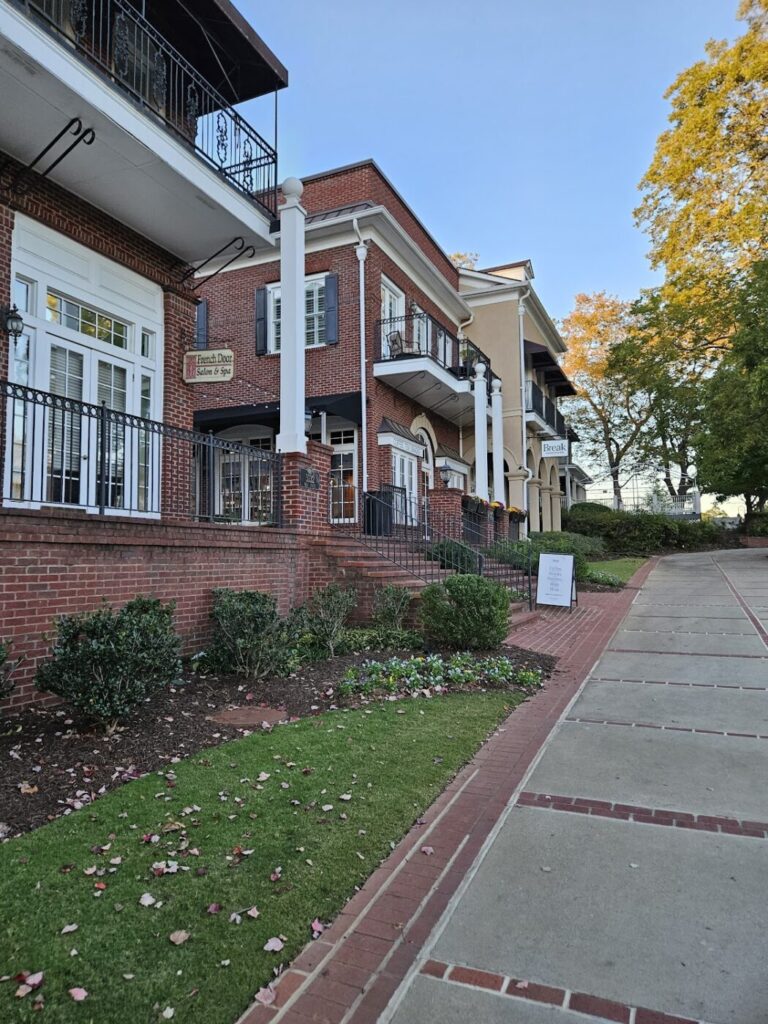
Roswell stands out for social momentum and community-driven events. Its downtown setting, Pride walks, and recurring gatherings give it an active, visible energy.
Johns Creek and Alpharetta often function as family-support hubs. With local PFLAG presence, affirming counseling services, and parent-focused ministries, they offer infrastructure that may matter more than event branding.
Suwanee and Peachtree Peachtree Corners benefit from Gwinnett County’s broader ecosystem of Pride programming and nondiscrimination policy signals.
Milton feels quieter in public Pride visibility but includes affirming faith infrastructure that offers stability for residents seeking a clearly named welcome.
Cumming and the South Forsyth corridor present a mixed picture: visible student clubs, affirming congregations, and ongoing public debate shaping the local climate.
For some residents, visibility matters most. For others, the priority is knowing their child’s school lists a Pride club, or that a counseling practice clearly states affirming care. In suburban North Atlanta, inclusivity is rarely loud — but it is increasingly present.
The Direction North Atlanta Is Moving
Across North Fulton, South Forsyth, and West Gwinnett, inclusivity has moved through incremental normalization. County-level policy language, Pride events in public parks, school district nondiscrimination statements, and community-organized gatherings have gradually placed LGBTQ life inside the mainstream of suburban life.
Federal protections in employment and housing form a baseline expectation for professional and residential safety. Local counties and cities build on that baseline at varying speeds and with different levels of visibility.
The overall direction is not defined by a single headline. It is defined by Pride events appearing on city calendars, student clubs listed openly on school websites, and parents finding support groups close to home.
In North Atlanta’s suburbs, inclusivity is less about spectacle and more about integration. And integration — steady, visible, and practical — is where growth is most clearly happening.
Share Your North Atlanta Story
If you live in Johns Creek, Alpharetta, Roswell, Milton, Duluth, Suwanee, or South Forsyth and would like to share your experience — whether about community life, schools, faith, family, or belonging — North Atlanta Star welcomes thoughtful local perspectives.
Read Also:
LGBTQ-Friendly Therapists in North Atlanta: What Families Should Know
Community Voice
A snapshot of reader views, not a scientific survey.
Explore Community Voice →About the Author


In North Atlanta

Summer Camps 2026: A Complete Parent Guide Across Johns Creek, Alpharetta, Milton, Cumming, Duluth, and Suwanee
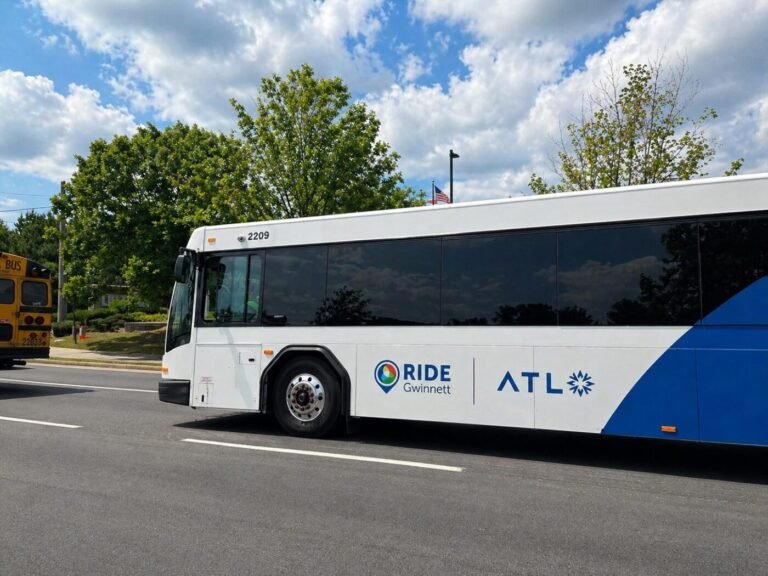
Gwinnett Schools Bring Bus Driver Recruiting to Suwanee and Peachtree Corners

Johns Creek, Roswell and Milton Restaurants Make OpenTable’s Diners’ Choice List
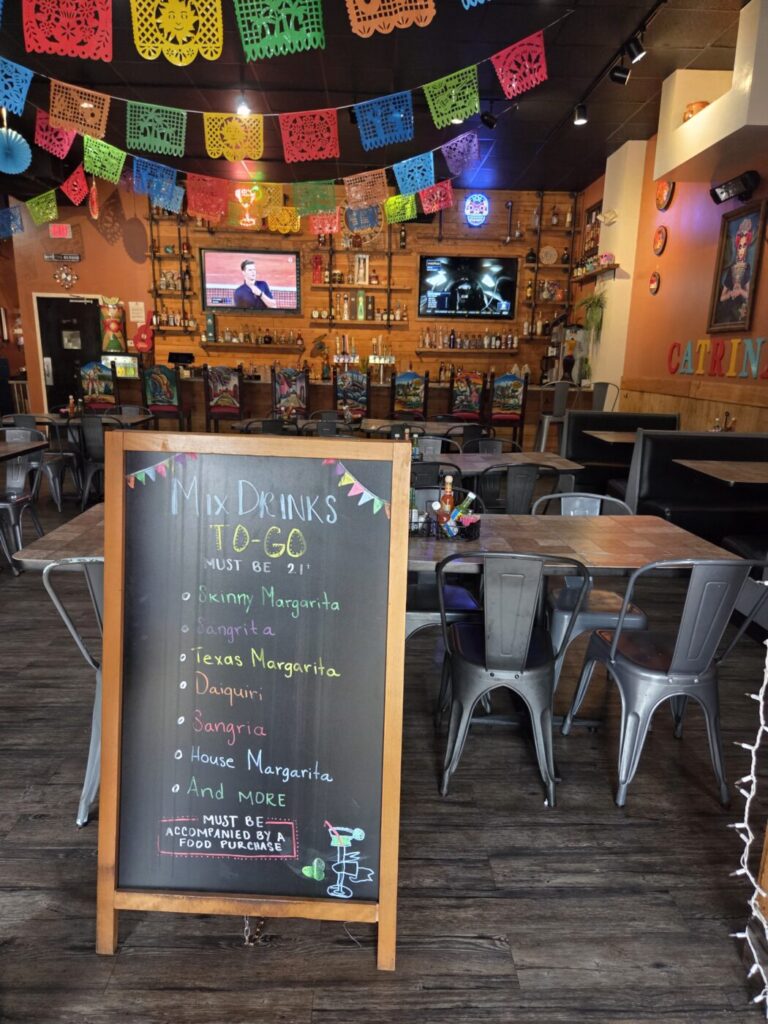
8 of the Best Mexican Restaurants in North Atlanta

Custom Closet Companies Serving Alpharetta, Cumming and Suwanee
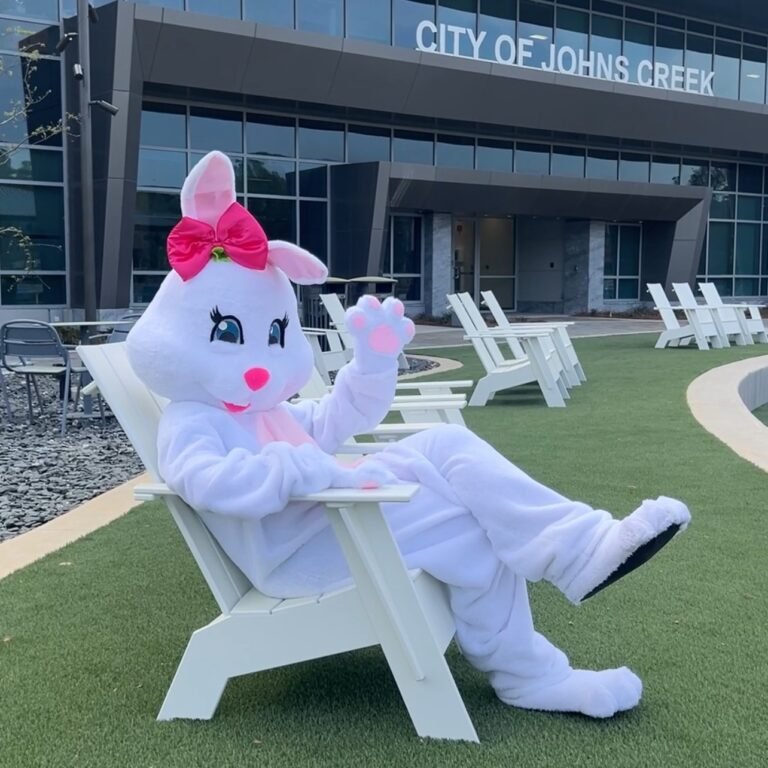
Weekend Events (April 3–5, 2026). From the Hop-A-Long Egg Hunt and Tribute Concerts to Spring Markets and Theatrical Whodunits
IN NORTH ATLANTA