When Elite Education Turns Into a Power Struggle: What a Silicon Valley School Saga Could Mean for North Atlanta
A Silicon Valley private school’s rapid growth and conflicts reveal challenges in education governance. North Atlanta faces similar issues as families shape local schooling.
Get major local stories and development updates.
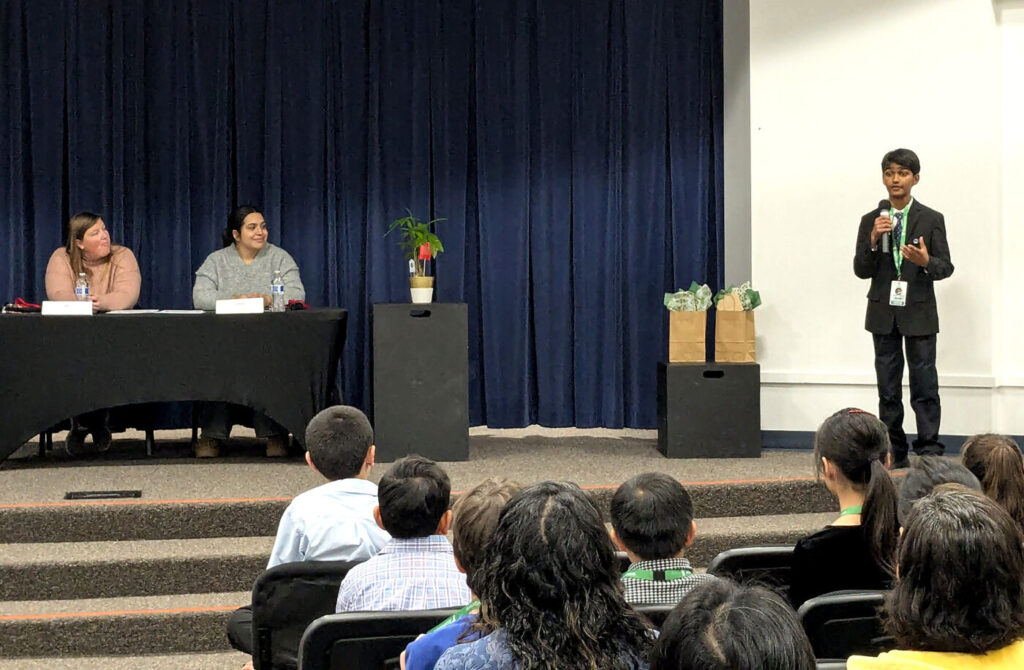
In Cupertino, California, a small private school built for gifted children was supposed to represent the future of education. Instead, it became a case study in how quickly ambition, money and control can reshape even the most idealistic institutions.
The school, Tessellations, was founded by wealthy Silicon Valley parents who wanted something different for their children—more flexibility, more creativity, less pressure. For a moment, it worked. Enrollment surged. Interest grew. The school gained a reputation as a destination for families seeking an alternative to traditional academic tracks.
But behind the scenes, tensions were building. According to a detailed report in The Wall Street Journal, the school became entangled in lawsuits, internal disputes, neighborhood conflicts and a growing divide between educators and influential parents. What began as a collaborative vision eventually fractured under competing expectations and competing authority.
A School Built Like a Startup
The defining feature of the Tessellations story is not just conflict—it’s speed.
The school expanded rapidly, growing from a few dozen students to hundreds in just a few years. That pace mirrored the startup culture many of its founders came from, where rapid scaling is often seen as success. But education operates differently. Schools depend on stability, trust and long-term relationships, not just growth metrics.
Teachers reportedly struggled to keep up. Leadership decisions became contentious. Parents who contributed significant funding expected influence in return. Even basic educational questions—like grade placement or curriculum—became points of negotiation rather than professional judgment.
At one point, layoffs, leadership disputes and a boardroom conflict escalated into a full internal split. Some families left altogether, forming a separate home-school collective.
The result was not just disruption. It was fragmentation.
The Pressure Around Gifted Education
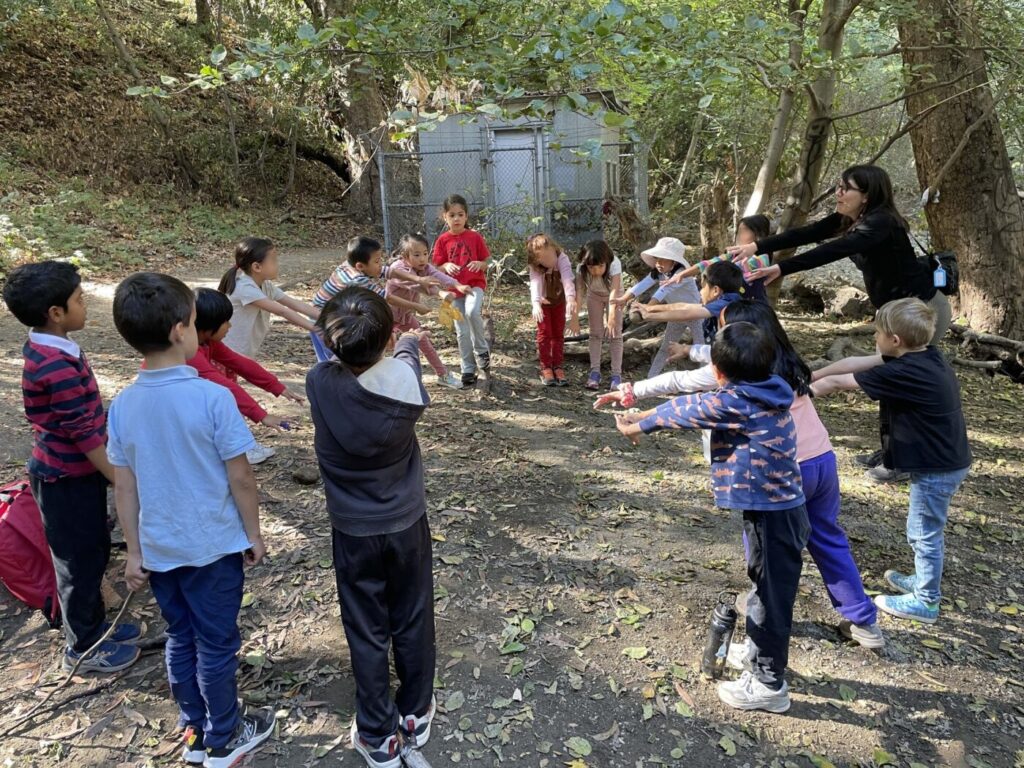
Part of what makes this story resonate is the intensity surrounding gifted education itself.
In highly competitive regions, admission to specialized programs can begin as early as preschool, with testing, interviews and long waiting lists. Families invest not only financially but emotionally. Expectations rise accordingly.
That pressure can push schools in two directions at once. On one hand, there is a desire to nurture creativity and individuality. On the other, there is an undercurrent of competition—between students, between families and sometimes between visions of what success looks like.
In the Silicon Valley case, those tensions became structural. The school shifted over time from a more holistic model to more traditional metrics like IQ testing, as leadership changed and parent expectations evolved.
Could Something Like This Happen in North Atlanta?
At first glance, Cupertino and North Atlanta seem worlds apart. But look closer, and the parallels begin to emerge.
Communities like Johns Creek, Alpharetta, Milton and South Forsyth have become some of the most education-focused areas in the region. Strong public schools, a growing network of private institutions and a steady influx of highly educated families have created a similar environment of high expectations.
Along the GA-400 corridor, it’s already common to see parents exploring alternatives—micro-schools, hybrid homeschooling models, enrichment academies and specialized STEM or arts programs.
Acton Academy North Atlanta operates a learner-driven model with mixed-age studios and flexible pacing. The Cottage School in nearby Roswell serves students with learning differences in small, structured settings. Sora Schools is used by some local families as a hybrid option combining remote instruction with project-based learning.
Faith-based and community-led hybrids are also part of the landscape. Classical Conversations has multiple communities across Johns Creek and South Forsyth, typically meeting weekly with parent-led instruction at home. The University Model School approach—two to three days on campus, the rest at home—has influenced smaller local programs and emerging pods in Alpharetta and Cumming.
That raises a natural question: could a Tessellations-style school emerge locally?
The answer is yes—but with important differences.
North Atlanta tends to move more gradually. School communities here are often shaped by longer-standing local relationships rather than rapid influxes of venture-backed ambition. Governance structures, especially in established private schools, are typically more conservative and less experimental.
If a similar model were to appear in North Atlanta, the biggest risk wouldn’t be demand or even expansion. It would be governance.
Who makes decisions when parents are also donors? How much influence should families have over curriculum? What happens when educational philosophy conflicts with parental expectations?
What This Story Really Signals
The deeper takeaway is not about one school in California. It’s about a shift in how families think about education.
Parents are no longer just selecting schools. Increasingly, they are shaping them, funding them and in some cases, building them from scratch. That shift brings energy and innovation—but also complexity.
The question is not whether new models will emerge. It’s how they will be built—and who will ultimately guide them.
If this felt close to home, these stories may be worth your time too.
About the Author


In North Atlanta

North Atlanta’s New School Phone Rules: What Parents Need to Know This Fall

Is the SAT Still Worth Taking? Georgia’s Admissions Rules Have Changed

At Edison Prep, Brian Eufinger Says Test Prep Starts With the Student, Not the Score

Gwinnett Tech Leaders Say the Four-Year Degree Is No Longer the Automatic First Choice

When Is Fall Break in North Atlanta Schools? The Three Districts Chose Different Weeks
Is Soccer Taking Over North Atlanta? The Numbers Say Something Is Changing
IN NORTH ATLANTA