What to Plant in April: A Backyard Guide for North Atlanta
Get major local stories and development updates.
A few warm afternoons are often enough to change how a backyard feels. The light stretches a little longer into the evening, the soil softens, and the idea of planting no longer feels like planning—it feels like something you can begin today.
Late March into early April is one of the most important windows in North Atlanta gardens. It sits right between the last real chill and the steady warmth of spring, which means two things are happening at once: cool-season plants are still thriving, and warm-season crops are just starting to make sense.
Understanding that overlap is what makes this moment so useful.
The Last Chance for Cool-Season Planting
Even as temperatures begin to rise, the soil is still cool enough to support vegetables that prefer milder conditions. These are often the easiest plants to grow, especially in raised beds or simple backyard plots.
Leafy greens are the most reliable place to start. Lettuce, spinach, and arugula all grow quickly and don’t demand much space. In many North Atlanta backyards, they can be planted directly into the soil right now and harvested within a few weeks. They also tolerate partial shade, which makes them useful if your yard doesn’t get full sun all day.
Root vegetables are another good fit for this window. Carrots, radishes, and beets develop underground and benefit from the still-cool soil. Radishes, in particular, are almost immediate—they can be ready in as little as three to four weeks, making them one of the most satisfying early plantings.
Herbs like parsley and cilantro also belong in this category. They prefer cooler temperatures and tend to bolt quickly once the heat arrives, so planting them now gives you a longer, more productive season.
What defines this group is not just timing, but pace. These are plants that grow quickly, respond well to simple care, and reward attention without requiring much experience.
Transitioning Into Warm-Season Crops
At the same time, the garden is beginning to open up to summer crops. In North Atlanta, the average last frost usually falls sometime between late March and early April, depending on the year. That means it’s almost time—but not quite—for the plants that define summer gardens.
Tomatoes are usually the first thing people think of, and for good reason. They thrive in the heat that will arrive in May and June. Right now, they can be planted outdoors if you’re comfortable taking a small risk, or you can wait another week or two for more stable nighttime temperatures.
Peppers, eggplant, and cucumbers follow a similar pattern. These are warm-weather plants that don’t tolerate cold soil well, so patience matters. If the nights still dip into the low 40s, it’s worth holding off or using simple protection like row covers.
Beans and squash can also be planted soon, especially as soil temperatures rise. Unlike tomatoes, they are usually direct-sown into the garden rather than transplanted, which makes them simpler to manage once conditions are right.
This transition period—when you are finishing one season and preparing for another—is where many gardens either become productive or fall behind. The key is not to rush everything at once, but to layer plantings over time.
Flowers That Set the Tone for the Season
Spring planting isn’t only about vegetables. This is also when many North Atlanta yards begin to shift visually, as color returns after the winter months.
Annual flowers like marigolds, petunias, and zinnias can be planted now and will carry through much of the summer. Marigolds, in particular, are often used alongside vegetables because they help deter certain pests and bring structure to garden beds.
Perennials are another option, especially if you’re thinking long-term. Plants like coneflowers, black-eyed Susans, and salvia are well adapted to Georgia’s climate and will return year after year once established.
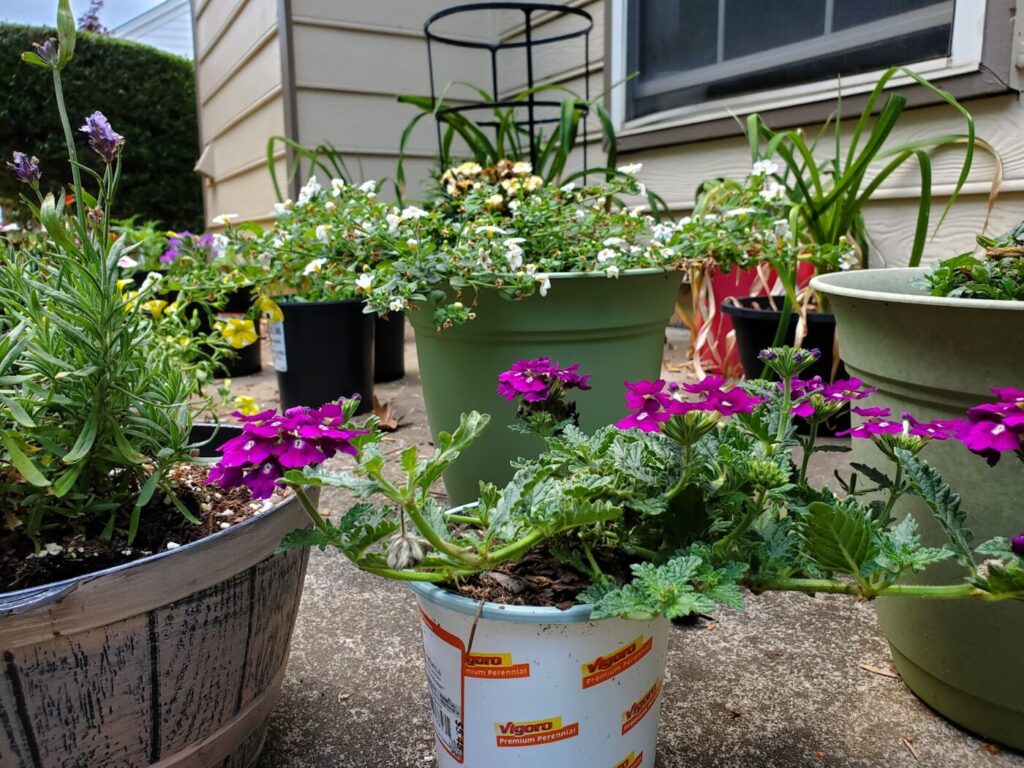
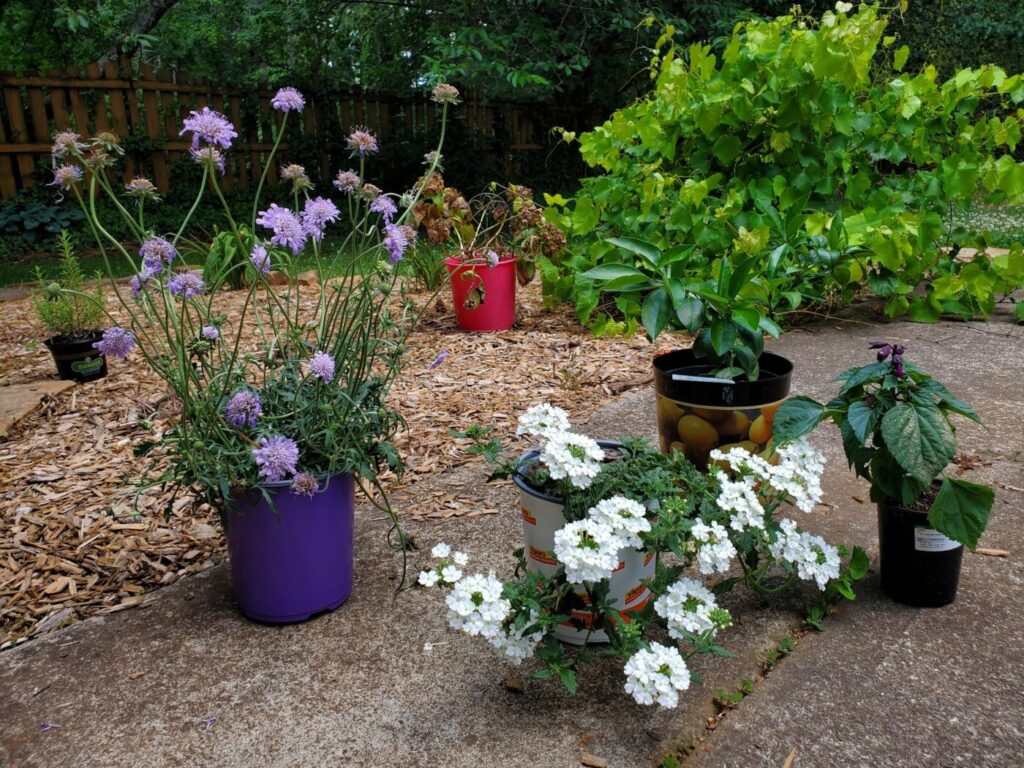
If your backyard includes containers or a patio, this is also the right time to refresh them. Even a few pots of herbs or flowers can change how the space feels day to day.
Thinking About Sun, Soil, and Space
Before planting anything, it helps to pause and look at how your backyard actually works.
Most vegetables need at least six hours of direct sunlight. In many North Atlanta neighborhoods, tree cover can create partial shade, especially in the afternoon. That doesn’t mean you can’t garden—it just means choosing the right plants matters more.
Leafy greens and herbs tolerate partial shade well. Tomatoes and peppers do not. Matching plants to light conditions is often more important than any other factor.
Soil quality also plays a major role. Many suburban yards in this area have dense clay soil, which can hold water but drain poorly. Mixing in compost or using raised beds can make a noticeable difference in how plants grow.
Spacing is another quiet but important factor. It’s easy to plant too much too close together in early spring, when everything still looks small. By May, that same bed can become crowded quickly. Giving plants room early often leads to healthier growth later.
Where to Buy Plants Locally
Finding the right place to buy plants can shape the entire experience. In North Atlanta, there’s a mix of independent nurseries and larger garden centers, each with a slightly different feel.
The Growers Outlet (Loganville)

This is one of the more expansive plant sources within driving distance. It operates more like a working nursery than a retail display, which means prices are often lower and selection can be broader. It’s especially strong for vegetable seedlings and seasonal flowers, though the layout can feel less curated than smaller shops.
Pike Nurseries (Multiple Locations)

With locations in Alpharetta and across North Atlanta, Pike is often the most accessible option. The presentation is clean, the staff tends to be knowledgeable, and the selection is reliable. Prices are typically higher than wholesale-style nurseries, but the experience is easier, especially for beginners.
Randy’s Perennials & Water Gardens (Lawrenceville)

A more specialized nursery with a strong focus on perennials and unique plants. This is the kind of place where you find something you didn’t plan to buy. It’s especially good if you’re looking to add structure and long-term planting to your yard rather than just seasonal vegetables.
Home Depot & Lowe’s Garden Centers

While less personal, these stores are convenient and often well-stocked during peak season. For common plants—tomatoes, herbs, flowers—they’re a practical option, especially if you’re already nearby. Quality can vary slightly by location, so it’s worth checking plants carefully before buying.
A Slower Approach Works Better
One of the easiest mistakes in early spring is trying to do everything at once. The garden center is full, the weather is improving, and it feels like the moment to plant everything.
But North Atlanta’s spring is still transitional. A cooler night or sudden temperature drop can set plants back if they’re pushed too early.
A better approach is to plant in stages. Start with greens and herbs. Add a few tomatoes or peppers as the nights warm. Fill in with beans, squash, and flowers as April settles in.
This pacing not only protects your plants—it makes the process more enjoyable. Each week, something new goes into the ground, and the garden develops gradually rather than all at once.
The Backyard as a Daily Space
What often surprises people is how quickly a planted backyard becomes part of daily life.
A few rows of lettuce turn into something you check each morning. A tomato plant becomes something you notice growing week by week. Even a small herb pot near the kitchen door changes how meals come together.
In that sense, planting now isn’t just about what will grow later in the season. It’s about shifting how the backyard is used—making it something you return to, not just something you look at.
Read Also:
About the Author

In North Atlanta
Fall Is the Right Time to Repair Many North Atlanta Lawns

Dervish Plans 200-Seat Turkish Restaurant in Johns Creek
ANDRITZ Is Hiring Engineers and Project Leaders in Alpharetta
Old Milton Parkway Widening Will Reshape Avalon Corridor Through 2029
Simple Man Distillery Hiring Ahead of Cumming City Center Opening
Suwanee’s Winton Machine Heads to Washington With $400,000 on the Line
IN NORTH ATLANTA