What Is Actually Grown Closest to North Atlanta?
Get major local stories and development updates.
For residents of Johns Creek, Alpharetta, Milton, Roswell, Duluth, Suwanee, and South Forsyth, the idea of “local produce” often feels simple. In reality, it breaks into three layers: what is grown within a short drive of home, what comes from the North Georgia foothills and mountains, and what is grown elsewhere in Georgia but marketed statewide.
North Atlanta sits at the edge of two agricultural zones: the Piedmont and the beginning of the mountain corridor. That positioning shapes what grows well here — and what does not.
The True Local Ring (0–30 Miles)
Within about a 10–30 mile radius of Johns Creek and Alpharetta, agriculture exists, but it is smaller scale. Think U-pick fields, CSAs, hydroponic greens, honey, eggs, and seasonal vegetables rather than large commercial orchards.
Strawberries
Two of the closest strawberry operations include:
- Warbington Farms (South Forsyth)
- Compton Bell Farms (western Gwinnett)
Peak season typically runs mid-April through May, sometimes into early June depending on weather. For many North Atlanta families, strawberries are the first true sign that local produce season has begun.
Distance from Johns Creek/Alpharetta: approximately 15–30 miles.
Blueberries and Blackberries
- Blueberry Garden’s offers U-pick blueberries, typically mid-June through July.
- Warbington Farms also grows blackberries, usually peaking in June.
Distance: roughly 15–30 miles.
These berries are among the most reliably “grown near you” fruits available to North Fulton and South Forsyth residents.
Leafy Greens, Herbs, and CSA Vegetables
Field-grown vegetables close to home tend to follow Georgia’s frost calendar. Cool-season crops (lettuce, spinach, kale, broccoli) appear in spring and fall. Tomatoes, cucumbers, peppers, squash, and okra arrive once frost risk passes in mid-April.
Examples include:
- Moss Hill Farm (CSA vegetables)
- Cane Creek Farm (organic CSA model)
- Circle A Farms (hydroponic greens)
- Fat Land Farm (eggs, honey, seasonal produce)
Distance: 10–30 miles.
Hydroponic operations are particularly important in suburban counties, where large-scale vegetable acreage is limited.
The Regional Ring (30–75 Miles)
Beyond the immediate metro fringe, agricultural scale increases. The foothills north of GA-400 and the mountain corridor supply much of what appears at North Atlanta farmers markets.
Pumpkins and Fall Crops
- Burt’s Pumpkin Farm
Peak: September–October
Distance: roughly 40–45 miles.
Fall produce in North Atlanta is often sourced from Dawson County and nearby foothill communities.
Peaches
Most commercial peach production in Georgia is centered farther south, but a major foothills source for North Atlanta shoppers is:
- Jaemor Farms & Market
Peak: June–August
Distance: roughly 50–70 miles.
“Georgia peaches” sold locally may not be grown near Johns Creek — even if they are grown within the state.
Ellijay Apples: The Mountain Anchor
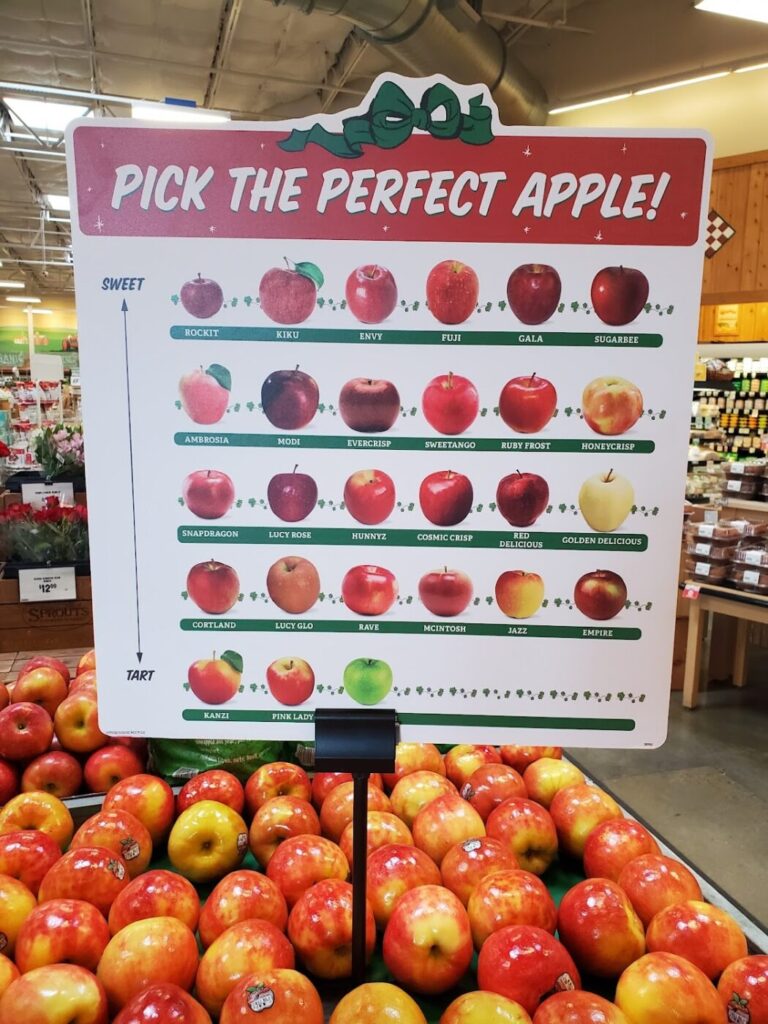
When North Atlanta residents say they are buying “local apples,” they usually mean apples from the Ellijay area.
- B.J. Reece Orchards
- Orchards across Gilmer County and Fannin County
Peak: September through October
Distance: approximately 70–95 miles.
More than 85 percent of Georgia’s apples are grown in these mountain counties. Elevation provides cooler nights and higher winter chill hours, which apples require to thrive. That climate difference explains why apples succeed there but are rarely commercial crops in North Fulton itself.
Produce Reality Check: What Is Not Grown Here
Understanding local agriculture also means recognizing limits.
- Citrus: Regular winter freezes make outdoor citrus production unreliable in North Atlanta.
- Vidalia onions: Grown in a protected 20-county region in South Georgia — over 200 miles away.
- Pecans: Primarily produced in Southwest Georgia.
- Winter tomatoes and berries: Typically shipped from Florida or warmer regions.
Produce Table: Closest Sources to North Atlanta
| Produce Type | Closest Growing Area | Peak Season | Approx. Distance |
|---|---|---|---|
| Strawberries | Cumming / Buford | April–May | 15–30 miles |
| Blueberries | Cumming | June–July | 15–30 miles |
| Leafy Greens | Milton / Cumming / Roswell | Spring & Fall | 10–30 miles |
| Peaches | Hall / Banks area | June–August | 50–70 miles |
| Apples | Ellijay (Gilmer County) | Sept–Oct | 70–95 miles |
| Pumpkins | Dawson County | Sept–Oct | 40–45 miles |
When to Shop for Peak Variety
The most diverse local produce window in North Atlanta typically runs late May through early October.
- April–May: strawberries and early greens
- June–July: blueberries, blackberries, summer vegetables
- August: peak tomatoes, corn, peppers
- September–October: apples, pumpkins, late squash
Farmers markets in Alpharetta, Roswell, Cumming, Suwanee, and Duluth reflect this rhythm. Winter markets are active, but fresh field produce is naturally limited.
The Bottom Line for North Atlanta
The closest truly local produce to Johns Creek, Alpharetta, Milton, Roswell, Duluth, Suwanee, and South Forsyth is:
- Spring berries
- Small-farm vegetables
- Greens and herbs
- Eggs and honey
Iconic fall apples are regional — not suburban — and peaches often come from farther south than many shoppers assume.
Understanding that distinction allows residents to shop more intentionally, support nearby growers, and align expectations with the realities of North Georgia soil and climate.
About the Author


In North Atlanta
Simple Man Distillery Hiring Ahead of Cumming City Center Opening

Tavern Off the Green Opens at Cumming City Center With Cajun Menu and Late-Night Hours

At Read It Again, the Bookstore Comeback Is About Community

YAVA Kitchen and Brewhouse Sets Oct. 5 Return in Cumming
She Started Nourish Initiatives at 16. Now Her Kits Are Reaching Cumming Families.

Kidcreate Studio Opens in South Forsyth With Art, Science and Sensory Programs
IN NORTH ATLANTA