 Exclusive sponsor
Georgia’s Gas Tax Suspension Keeps Returning. Coincidence — or Election-Year Economics?
Georgia has extended its temporary gas tax suspension amid fuel price volatility tied to global issues. This relief helps suburban drivers but raises questions about transportation funding.
Major local stories and useful updates, once a week.
Georgia’s gas tax suspension has now entered a second phase in less than two months, and the timing is becoming difficult to ignore.
The first major decision came on March 20, when Gov. Brian Kemp signed House Bill 1199, temporarily suspending Georgia’s motor fuel excise tax for 60 days amid rapidly rising fuel prices tied to instability in the Middle East and the conflict involving Iran.
That original suspension was scheduled to expire on May 19.
Then, just days before Memorial Day travel season — and notably, just as political pressure around inflation and consumer costs intensified again — Kemp extended the suspension for another two weeks through June 2 using emergency executive authority.
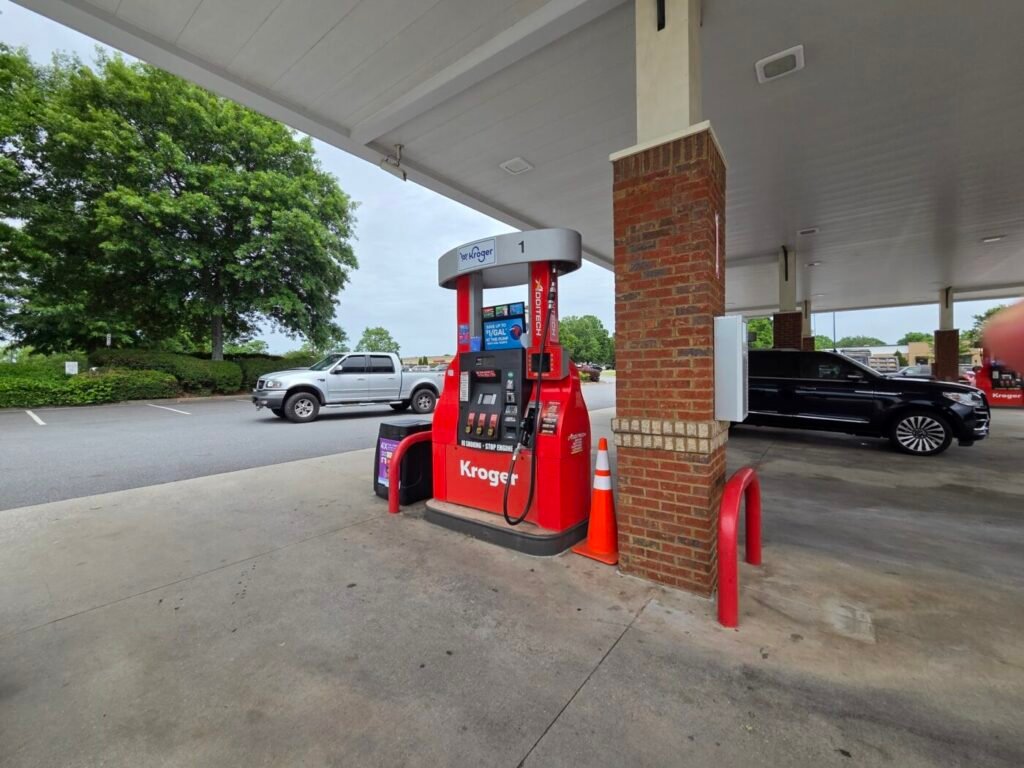
For drivers across suburbs like Johns Creek, Alpharetta, Cumming and Suwanee — where commuting remains deeply tied to daily life — the policy is immediately tangible. Georgia’s state gas tax equals roughly 33.3 cents per gallon on gasoline and 37.3 cents on diesel.
That means a household with two SUVs filling up weekly can save noticeable money over a month, especially at a moment when suburban budgets are already under pressure from insurance, groceries and housing costs.
But politically, the story is larger than fuel.
Georgia’s leadership has increasingly leaned into direct-pocketbook relief in recent years: special tax rebates, accelerated income tax cuts, and repeated gas tax suspensions. Kemp’s office has framed these moves as returning taxpayer money to residents during periods of economic instability.
Still, the calendar matters.
The original suspension was set to expire exactly on Georgia’s May 19 primary election day, something several political observers and local outlets pointed out while speculation grew over whether Kemp would extend it.
The extension ultimately arrived just before one of the busiest travel weekends of the year.
That does not necessarily mean the move was purely political. Fuel prices genuinely surged again this spring amid fears surrounding Middle East oil supply disruptions and instability around the Strait of Hormuz. Brent crude futures climbed sharply, and Georgia gas prices moved back above $4 per gallon in many areas.
Yet the broader political reality is difficult to separate from the economics.
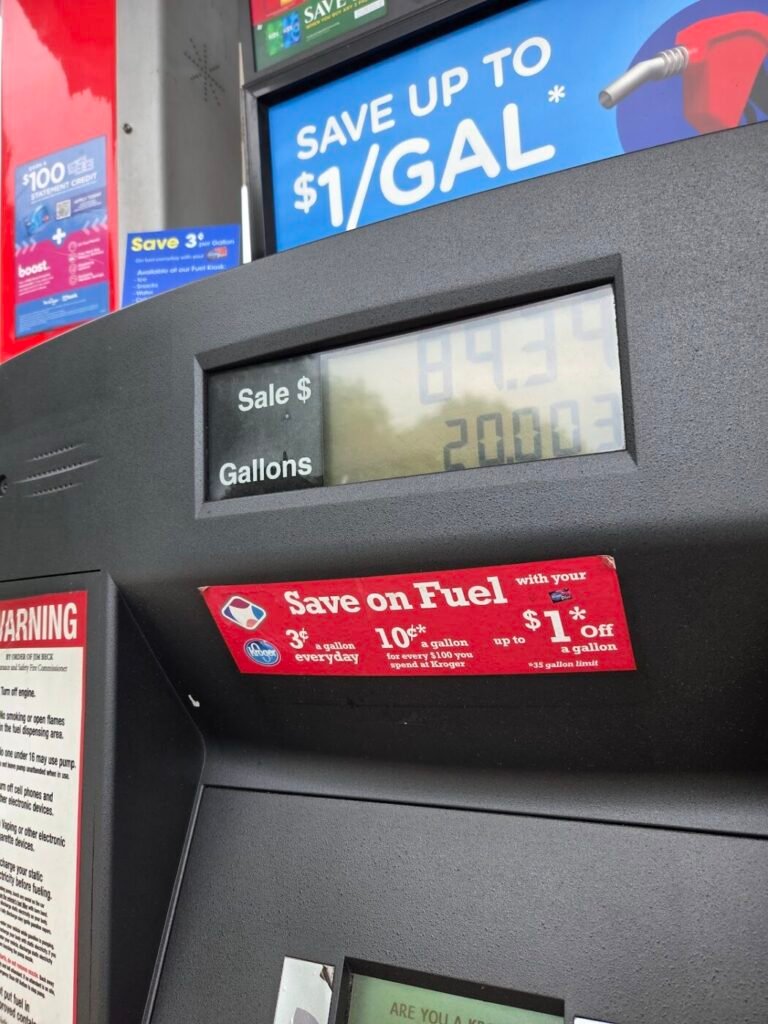
Georgia Republicans have increasingly positioned themselves around visible consumer relief measures that voters can immediately feel at gas stations, grocery stores and tax season refunds. Unlike long-term infrastructure programs or abstract economic messaging, a gas tax suspension produces something unusually powerful in politics: a giant roadside price sign displaying the effect in real time.
Drivers literally see the number.
And in fast-growing suburban counties — especially places like Forsyth, North Fulton and Gwinnett — where commuting culture still dominates daily life, gas prices remain politically emotional in a way many policy issues are not.
There is also another layer beneath the politics: Georgia can afford these moves right now because of years of large state surpluses and strong tax collections. But repeated suspensions raise longer-term questions about transportation funding. Gas taxes traditionally support road maintenance and infrastructure spending, and critics argue repeated pauses may eventually create pressure elsewhere in the budget.
For now, though, Georgia appears to be embracing a different calculation.
In an era of voter frustration over inflation and household costs, the state is increasingly willing to intervene aggressively — and visibly — when fuel prices spike. Whether that reflects economic pragmatism, election-year strategy, or both at the same time may ultimately depend on who is asked.
What is clearer is this: few policies create faster political goodwill in car-dependent suburbs than making the next fill-up cheaper.
If you’ve been following growth and change around here, these stories are worth a look too.
Community Voice
A snapshot of reader views, not a scientific survey.
Explore Community Voice →About the Author


In North Atlanta

Gwinnett’s New Blight Tax Could Make Neglected Properties Much More Expensive to Hold
What North Atlanta Should Know Today
North Atlanta Courthouse Wedding Price Check: A Legal Marriage Can Start at $16
Siemens’ Alpharetta Rail Operation Is Hiring From $20 an Hour to $95,000 a Year
Across Georgia, Voters Say Rising Costs Are Reshaping Daily Life — and Their Politics
What North Atlanta Should Know Today: 10 Stories for Saturday, July 25
IN NORTH ATLANTA