 Exclusive sponsor
Georgia Gas Prices Have Already Crossed $4.20. North Atlanta Drivers Are Starting to Feel the Shift
Gas prices in North Atlanta and suburban Georgia have recently climbed past the 4.20 per gallon mark. This increase impacts local families and businesses facing higher transportation costs and inflation pressures.
Major local stories and useful updates, once a week.
The psychological barrier many Georgia drivers hoped to avoid has effectively arrived.
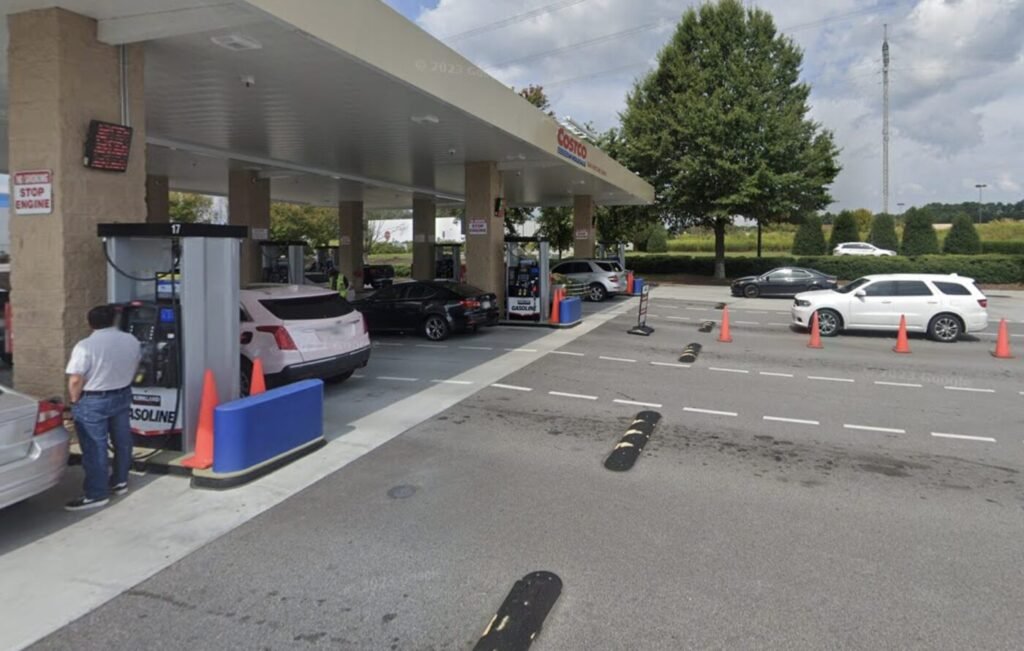
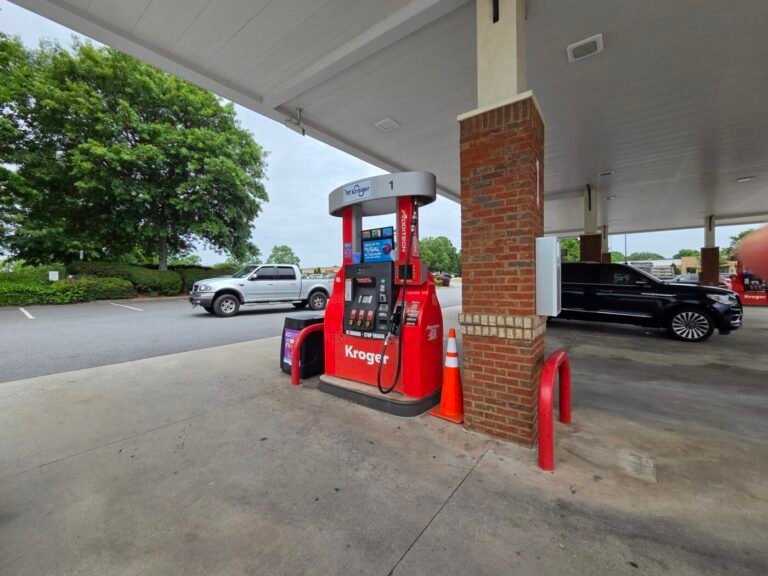
Across much of metro Atlanta and North Georgia, regular gas prices are now commonly sitting at or above the $4.20 range, particularly along heavily traveled suburban corridors in Alpharetta, Johns Creek, Roswell, Milton, Duluth, and South Forsyth.
That shift feels especially abrupt because only a few months ago many local drivers were still filling up below $3 per gallon. Georgia technically continues to maintain some of the lowest statewide fuel prices in the country, largely because of the temporary suspension of the state gas tax through House Bill 1199. The measure removed roughly 33 cents per gallon from pump prices and helped Georgia avoid the much steeper spikes now seen in states like California and Washington.
Even so, prices have continued climbing steadily.
The broader pressure comes from the global energy shock triggered by the 2026 Persian Gulf conflict and continuing instability around the Strait of Hormuz, one of the world’s most critical oil shipping routes. The energy assessment found national gasoline prices rising from roughly $3 earlier this year to more than $4.50 nationally by May.
For suburban North Atlanta, the impact reaches far beyond occasional trips to the gas station.
Families across South Forsyth, Suwanee, Milton, and the GA-400 corridor often depend on multiple vehicles while covering far greater daily driving distances than residents in denser urban areas. A normal week may include commuting between counties, driving children to travel sports tournaments, navigating large shopping corridors, or moving constantly between schools, offices, healthcare facilities, and after-school activities.
That suburban geography makes rising fuel prices especially visible in household budgets.
The effects are now spreading quietly across the local economy as businesses absorb higher transportation costs. Landscaping crews, HVAC companies, cleaning services, delivery operators, mobile repair technicians, and contractors all depend heavily on driving throughout North Fulton and South Forsyth. Many are beginning to adjust pricing structures, travel fees, or service surcharges as fuel expenses rise.
Food costs are also beginning to reflect the transportation pressure. The assessment notes that rising fuel and shipping costs are contributing to broader inflation in agricultural distribution and grocery pricing nationwide.
Georgia’s relatively favorable position also remains more fragile than it may appear.
Much of the state’s gasoline supply depends on the Colonial Pipeline system connecting Gulf Coast refineries to metro Atlanta and the Southeast. Earlier this spring, pipeline damage in Paulding County temporarily interrupted a major gasoline line, underscoring how dependent Georgia remains on uninterrupted fuel infrastructure during periods of global volatility.
Why Some Southern States Are Still Cheaper
Georgia is not the only state still hovering near or below the $4 threshold.
States like Arkansas, Mississippi, and Oklahoma continue posting some of the country’s lowest average gas prices as well. Their advantage comes largely from geography and infrastructure.
All four states benefit from close proximity to Gulf Coast refining systems, which reduces transportation costs compared with states farther west or northeast. Lower fuel taxes also help keep prices comparatively lower across much of the South and Plains.
Several higher-cost states additionally require specialized environmental gasoline blends that are more expensive to refine and distribute. Much of the Southeast uses less costly fuel formulations, giving the region somewhat more flexibility during supply disruptions.
Oklahoma also maintains direct ties to domestic oil production and refining infrastructure, helping insulate it somewhat from transportation bottlenecks affecting other parts of the country.
Still, even the cheaper Southern states are experiencing significant increases compared with earlier this year. The difference is that the Southeast entered the crisis from a much lower starting point.
For many residents across North Fulton and South Forsyth, the debate is no longer whether Georgia still has cheaper gas than California or New York.
The reality is that maintaining everyday suburban life across North Atlanta has become noticeably more expensive in a very short period of time.
And unless global oil markets stabilize significantly in the coming months, analysts warn that today’s $4.20 prices may eventually look relatively moderate compared with what drivers could face later this summer.
If this felt close to home, these stories may be worth your time too.
Community Voice
A snapshot of reader views, not a scientific survey.
Explore Community Voice →About the Author


In North Atlanta

After Isaias, North Atlanta’s Focus Shifts From Warnings to Repairs

Georgia’s Gas Tax Break Could Save About $5 on a 15-Gallon Fill-Up
Georgia’s Gas Tax Suspension Keeps Returning. Coincidence — or Election-Year Economics?

North Atlanta’s Bachelor’s-Degree Gap Reaches 52 Points Across 18 Cities

More North Atlanta Residents Are Working, Yet Unemployment Rose

Sugar Hill Has North Atlanta’s Longest Average Commute
IN NORTH ATLANTA