North Atlanta Runs on Skilled Hands. Are There Enough?
North Atlanta's demand for skilled tradespeople like electricians and plumbers is rising. The shortage affects repairs and services, with immigrant workers filling key roles in construction and maintenance. Local efforts aim to build career pathways to support the growing region.
Get major local stories and development updates.
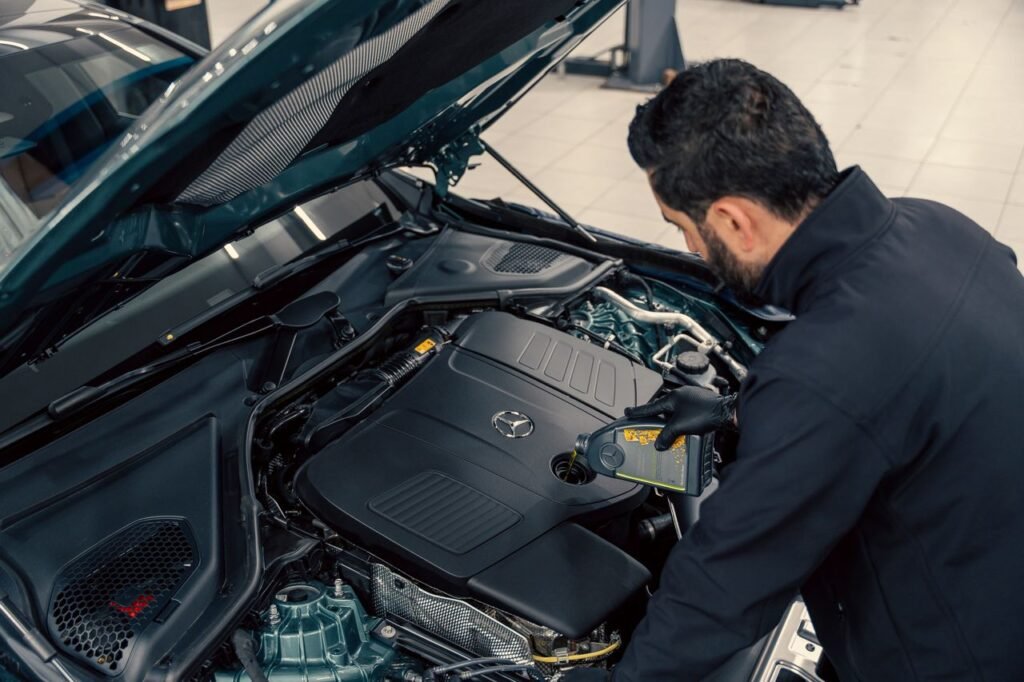
The national push to train more mechanics, electricians and other skilled workers has a clear local meaning in North Atlanta. This is a region of large homes, long commutes, aging HVAC systems, constant remodeling and car-dependent family life. When there are not enough electricians, plumbers, HVAC technicians and auto mechanics, the shortage shows up quickly in the form of longer waits, higher repair bills and fewer available appointment windows.
The numbers already point in that direction. Federal labor data counted 12,160 electricians, 13,620 automotive service technicians, 6,610 HVAC mechanics and installers, and 4,320 plumbers, pipefitters and steamfitters in the Atlanta-Sandy Springs-Roswell metro area in May 2023. The plumber figure stands out because Atlanta’s concentration of plumbers was only about half the national concentration for that occupation.
For Johns Creek, Alpharetta, Cumming, Roswell, Suwanee and Duluth, this is not an abstract workforce story. It is a household story. A broken air-conditioning system in July, a delayed electrical panel upgrade, a backed-up plumbing line or a car that cannot be serviced for several days can quickly become a family problem. These suburbs have grown around reliable private services. That model depends on people who know how to repair, install and maintain the systems underneath suburban comfort.
There is also an immigration angle that should not be ignored. Metro Atlanta’s workforce is heavily shaped by foreign-born workers, and construction is one of the clearest examples. In 2024, immigrants made up one in five employed workers in the Atlanta metro area. Foreign-born workers were also much more likely than native-born workers to be employed in construction. Statewide, immigrant workers account for more than a quarter of Georgia’s construction workforce.
That does not mean every trade shortage is an immigration story. Electricians, plumbers, HVAC technicians and dealership mechanics all require training, licensing, experience and employer pipelines. But it does mean the local workforce discussion is incomplete without immigration. Georgia’s ability to repair homes, build subdivisions, remodel kitchens and keep mechanical systems running already depends, in part, on immigrant labor.
North Atlanta makes that connection even clearer. Johns Creek, Alpharetta, Suwanee, Gwinnett and South Forsyth are not only places where immigrants live. They are places where immigrant families own homes, run businesses, hire contractors, send children through local schools and help shape the region’s labor market. Any serious local answer to the trades shortage has to include high school career pathways, technical colleges, apprenticeships, employer training and a practical understanding of how immigrant workers already fit into the economy.
North Atlanta does not only need more tech workers, office workers and corporate talent. It needs people who can wire a basement, repair a heat pump, service a hybrid SUV, install a water heater and keep a growing suburban region functioning. The question is whether local schools, technical colleges, employers and workforce agencies can build that pipeline quickly enough.
More worth reading from around here.
About the Author


In North Atlanta
North Atlanta’s Job Market Splits as Health Care Grows and Office Work Shrinks
What North Atlanta Should Know Today. Friday, Sept. 11, 2026
North Atlanta Courthouse Wedding Price Check: A Legal Marriage Can Start at $16

North Atlanta unemployment fell in July — but employment slipped in several communities
Why Sardines Are Disappearing From Some North Atlanta Shelves
What North Atlanta Should Know Today
IN NORTH ATLANTA