Marietta Is Building Its Next Chapter—Here’s What’s Opening, Expanding, and Taking Shape
Get major local stories and development updates.
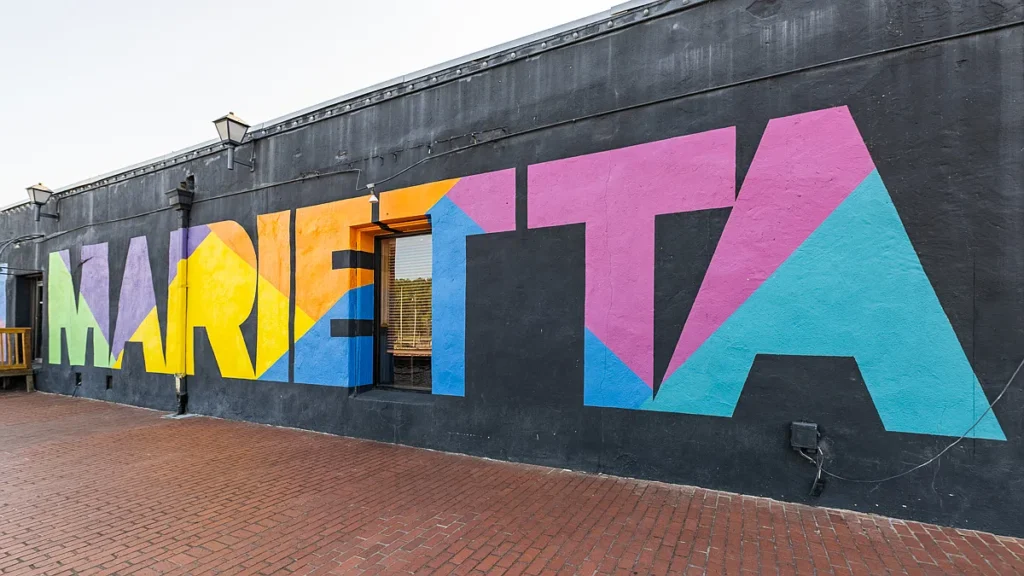
Marietta is seeing a steady stream of new openings, development proposals, and infrastructure projects across the city. Restaurants and retail concepts are expanding around the Square, while housing plans, corridor redevelopment, and transportation upgrades are moving forward at the same time.
A New Wave of Food and Drink Is Redefining the Square
Among the notable additions is Asher & Rose Modern Grocers, a hybrid grocery and café concept at Park Square that leans into a European-style format—part specialty market, part casual lunch stop. It’s the kind of place designed as much for browsing and takeaway as for sitting down, and it reflects a broader trend of chef-led retail moving outside the urban core.
Nearby, Deep Roots Wine Market + Tasting Room has added another layer, opening by March 2026 on Church Street. With tastings, retail bottles, and event-style programming, it signals a shift toward experience-driven concepts—places that anchor an evening rather than just serve a meal.
The momentum extends beyond independent concepts. Jeni’s Church Street, which opened in June 2025, stands out as a marker that nationally recognized brands now see Marietta as viable for premium retail.
Even smaller changes contribute to the pattern. Tuesday Coffee + Shoppe is expanding into adjacent space, adding seating and food options—a typical signal that a café has moved from novelty to neighborhood staple.
At Marietta Square Market, tenant turnover continues with new stalls like Roxy’s Burgers & More and Fried Rice Master, reinforcing the role of food halls as steady engines of foot traffic rather than one-time attractions.
Franklin Gateway Is Emerging as a Second Storyline
While the Square draws attention, a different kind of change is unfolding along Franklin Gateway—a corridor long seen as underutilized.
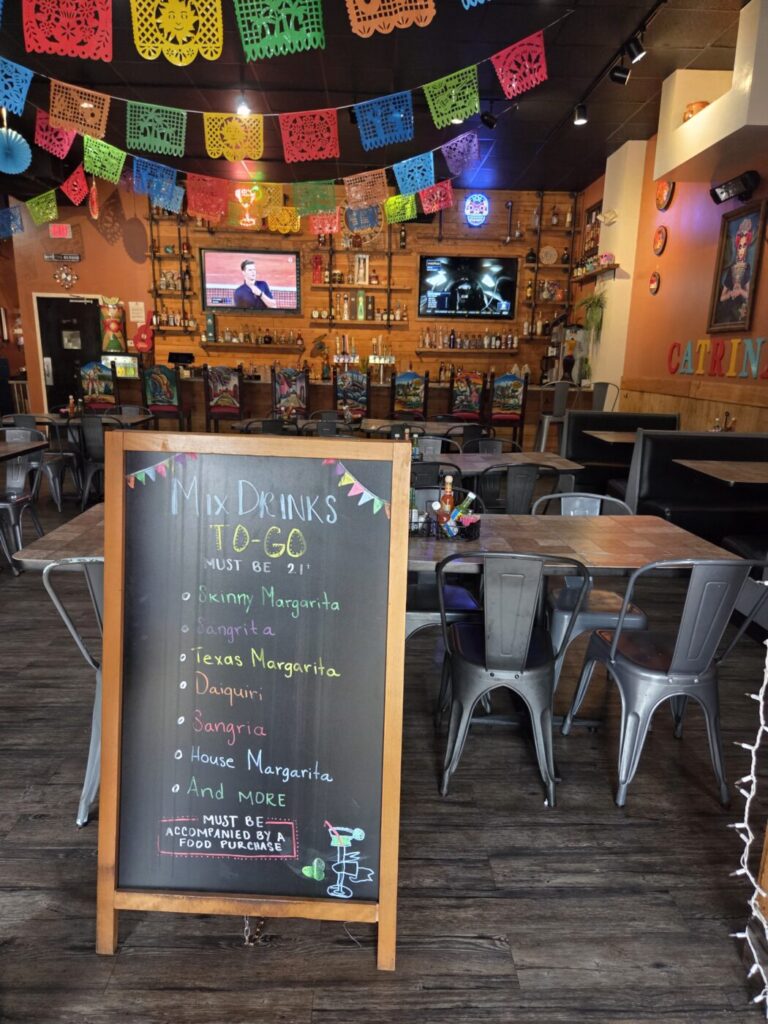
New openings like Casa Grande Bar & Grill, which opened in February 2026, show steady commercial infill.
But the bigger story sits in the pipeline. A proposed 34-acre professional women’s soccer training headquarters—linked to AMB Sports and Entertainment—is moving through rezoning, with hearings scheduled for April 2026.
If approved, the project could reshape the corridor entirely, introducing youth sports travel, media attention, and weekend traffic patterns that extend far beyond Marietta itself. It would also align with a broader metro trend: large-scale sports infrastructure moving outside the urban core.
Retail and Housing Are Expanding in Parallel
Beyond dining and entertainment, Marietta’s development pipeline is building density.
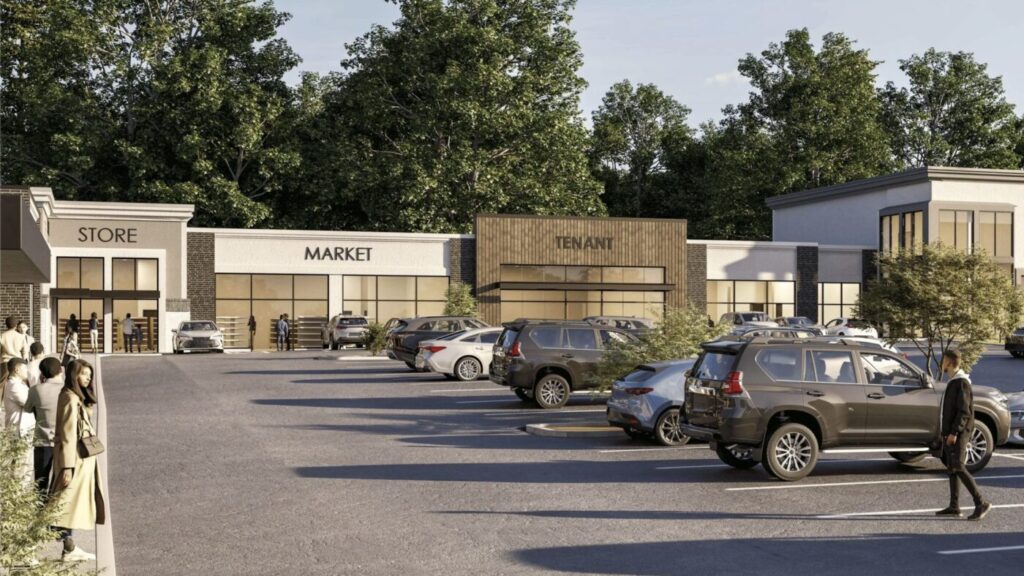
One of the most visible projects is The Walk at Piedmont, a roughly 60,000-square-foot mixed-use commercial center currently under construction near Piedmont Road. The scale places it closer to the neighborhood retail centers seen across North Fulton—small enough to feel local, large enough to anchor daily errands.
Residential growth is also accelerating, particularly in segments that don’t always make headlines. Projects like Marietta Reserve (51 units under construction) and larger townhome phases signal a continued push toward mid-density housing.
More notably, a proposal at 890 Canton Road would introduce a 55+ multifamily development with 68 units, reflecting a growing focus on age-restricted housing.
That shift matters regionally. When downsizing options increase in one part of the metro, it changes demand patterns elsewhere—often easing pressure on high-demand areas like Alpharetta and Johns Creek.
Streets, Trails, and Walkability Are Catching Up
Alongside private development, the city continues to invest in infrastructure that changes how people move through Marietta.
Recent completions like the Powder Springs Streetscape—adding sidewalks, medians, and trail connections—are part of a broader push to make corridors more pedestrian-friendly.
Looking ahead, the North Marietta Parkway streetscape project, currently in public input stages, aims to introduce multi-use paths, upgraded sidewalks, and roadway improvements along a key corridor.
These projects may seem incremental, but they tend to have lasting effects. Walkability influences where people park, how long they stay, and which areas feel worth revisiting.
Events and Weekend Gravity Are Growing
The city’s calendar is also playing a role in shaping its identity as a destination. The Georgia Food + Wine Festival returned March 27–29, 2026 at Jim R. Miller Park & Event Center, drawing regional crowds with multi-day programming.
A month later, Taste of Marietta—set for April 26, 2026—continues its long-running tradition as a large-scale, restaurant-driven event.
These events do more than fill a weekend. They reinforce Marietta’s position in the metro as a place worth planning around, not just passing through.
A Subtle Shift With Regional Implications
None of these developments alone would redefine Marietta. But together, they point to a clear direction. The Square is becoming more layered, Franklin Gateway is gaining momentum, and new housing and infrastructure are filling in gaps that once limited growth. At the same time, recognizable brands and experience-driven concepts are moving in—often a late-stage signal in suburban development cycles.
For North Atlanta residents, the takeaway is practical. Marietta is no longer just an occasional outing. It’s becoming a competitor for weekend time, dining choices, and even long-term housing decisions.
And the pace suggests this is only the early phase.
About the Author

In North Atlanta
Simple Man Distillery Hiring Ahead of Cumming City Center Opening

Barnes & Noble Sets Jan. 27 Opening for New Peachtree Corners Store at The Forum

Maepole Is Coming to West Forsyth With a First-of-Its-Kind Drive-Thru
5 Coffee Trucks and Mobile Cafés Worth Finding Around North Atlanta
North Atlanta Added 11,000 Residents, but the Growth Is Concentrated in Three Cities
North Atlanta’s Job Market Splits as Health Care Grows and Office Work Shrinks
IN NORTH ATLANTA