 Exclusive sponsor
North Atlanta Water & Sewer Bills (2026): What Homeowners in Johns Creek, Cumming & Alpharetta Should Expect
Water and sewer bills in North Atlanta suburbs typically range from $90 to $140 monthly depending on location and usage. Key factors include irrigation, leaks, and stormwater fees.
Major local stories and useful updates, once a week.
In North Atlanta’s suburban communities, utility costs rarely exist in isolation. For homeowners evaluating long-term affordability, water and sewer charges are often considered alongside property taxes and electricity, which together shape the real monthly cost of living.
Water and sewer bills can vary greatly depending on where you live—even within North Atlanta’s suburbs. Here’s a breakdown of what homeowners and renters in Cumming, Johns Creek, Alpharetta, Roswell, Suwanee, and Duluth can expect to pay in 2026—and why.
Quick Comparison
| City / Area | Estimated Monthly Total (7,000 gallons) | Primary Utility Provider | Notes |
|---|---|---|---|
| Cumming (Forsyth County) | $95–105 | Forsyth County Water & Sewer | Tiered rates; typical households stay in lower tiers with conservative use. |
| Johns Creek | $110–130 | Fulton County (varies by neighborhood) | Sewer is often the largest component; some areas also pay a separate stormwater fee. |
| Alpharetta | $110–130 | Fulton County (often) / varies by location | Rates depend on provider boundary; check your bill header for the utility name. |
| Roswell | $100–125 | Fulton County (often) / varies by location | Bills commonly rise with irrigation season; watch for tier jumps in summer. |
| Suwanee | $90–120 | Gwinnett County (primarily) | Competitive tiering; totals vary by lot size and outdoor watering. |
| Duluth | $90–120 | Gwinnett County (primarily) | Similar to Suwanee; check for any separate stormwater/environmental line items. |
Cumming (Forsyth County)
Forsyth County manages its own water and sewer system, with one of the most structured and transparent tiered systems in Georgia.
- Base water charge: $15.27 per month (includes the first 1,000 gallons). Seniors (62+) receive a reduced rate.
- Tiered usage charges:
- 1,000–6,000 gallons: $4.31 per 1,000 gallons
- 6,000–12,000 gallons: $5.82 per 1,000 gallons
- Over 12,000 gallons: Charges increase significantly
- Sewer service: $17.42 base + $8.42 per 1,000 gallons
- Estimated total monthly bill (7,000 gallons): Around $99
Water and sewer rates are scheduled to rise gradually each year—about 3.5% for water and 5% for sewer—through at least 2028. Most households remain in the lower tiers, keeping bills manageable if usage is conservative.
Johns Creek, Alpharetta, Roswell, Suwanee, and Duluth
These cities are mostly served by Fulton County or Gwinnett County utilities, depending on exact location.
Fulton-Served Cities (Johns Creek, Alpharetta, Roswell)
- Base water charge: Around $10.35 per month
- Water and sewer usage charges: Typically structured by tier, with costs increasing based on volume
- Sewer bills: Often the most expensive component, typically adding $50–80 per month
- Estimated total bill (7,000 gallons): $100–140 per month
Fulton County approved a series of 5% annual rate increases starting in 2023. These increases are applied both to base charges and usage rates. Expect gradual annual bumps through 2027.
Some cities, such as Johns Creek, also charge a separate stormwater utility fee, typically between $2.90 and $14.50 per month depending on lot size and impervious surface area.
Duluth and Suwanee (Primarily Gwinnett County)
- Gwinnett’s rates are generally competitive, with structured tiers and consistent billing.
- Estimated average household bill (7,000 gallons): Around $90–120 per month, depending on conservation habits and home size.
Why Is My Water Bill So High in North Atlanta?
If your water-and-sewer bill suddenly feels out of step with your household size, you’re not alone. Across North Atlanta’s suburbs—especially in Johns Creek, Alpharetta, Roswell, Suwanee, Duluth, and South Forsyth—there are a few common reasons bills spike, even when your day-to-day routine hasn’t changed much.
Irrigation systems (and “invisible” outdoor use)
Outdoor watering is the fastest way to move from a normal bill to a painful one. Irrigation timers often run longer than homeowners realize, and small settings changes—adding an extra watering day, running multiple zones, or watering during hot weeks—can push usage into higher tiers. Summer lawn care is also when leaks in sprinkler heads or underground lines are most likely to show up, because the system is running more often. If your bill increases mainly in late spring and summer, irrigation is usually the first thing to investigate.
Sewer charges calculated off winter usage
In many areas, sewer charges aren’t purely “what you used this month.” Some utilities use a winter-average method (or a set winter billing period) to estimate “typical indoor use,” then apply that average to sewer charges during the rest of the year. The logic is simple: outdoor watering doesn’t go into the sewer system. The downside is that if you had unusually high indoor water use during the winter baseline period—guests visiting, a toilet leak, home repairs, extra laundry, or even a minor plumbing issue—you can get “locked in” to higher sewer charges for months afterward. If your sewer portion looks high even when you’re conserving, check whether your provider uses a winter-average calculation and what months define that baseline.
Leaks: toilets are the #1 culprit
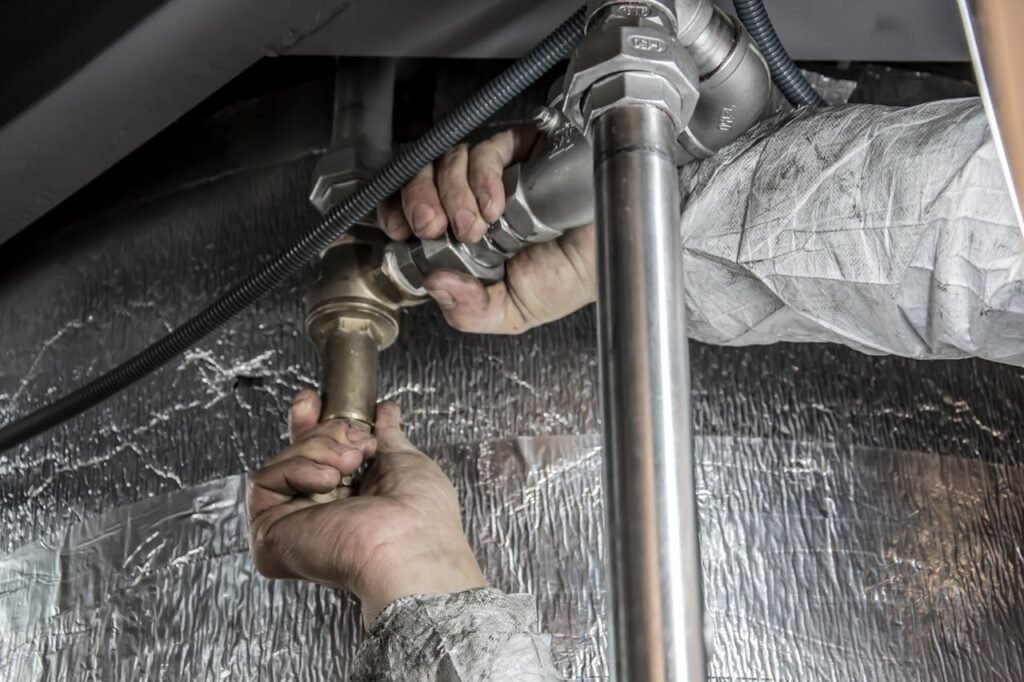
A slow leak can add thousands of gallons without any obvious signs. Toilets are the most common offender because a worn flapper or running fill valve can cycle on and off all day. Many households discover a leak only after a bill spike. If your bill jumped and stayed high even with normal behavior, do a quick check:
- Put a few drops of food coloring in the toilet tank and wait 15–20 minutes. If color appears in the bowl, you have a silent leak.
- Check for dripping outdoor spigots and running irrigation zones.
- Look at your meter (if accessible) with all water off. If it’s moving, you likely have a leak.
Tier jump (the “cliff effect”)
Most local utilities use tiered pricing. That means a small increase in usage can move part of your water into a more expensive tier. The result can feel like a “cliff”: you didn’t double your water use, but your bill climbed sharply because the marginal gallons became more expensive. This often happens with:
- New landscaping and irrigation routines
- Pool fills and top-offs
- Pressure washing
- Hosting guests
- Kids home from school (more showers, laundry, dishes)
Stormwater fees
In some cities, stormwater isn’t bundled into the main water/sewer bill—it’s a separate monthly fee. These charges are often based on lot size or impervious surface area (roof, driveway, hardscaping). Homeowners sometimes interpret it as a “new water charge,” when it’s really a separate municipal fee tied to drainage infrastructure. If your bill includes a stormwater line item—or if you receive a separate stormwater statement—include it in your true “monthly cost” comparison.
Rate increases (and the slow squeeze)
Even if your usage stays steady, you can pay more year over year because of scheduled rate increases, higher base charges, and rising sewer treatment costs. Utilities often raise rates in small annual steps. Those changes are easy to miss until you compare bills from last year to this year. If your bill feels “creeping upward,” check whether your provider announced annual increases and whether they apply to both base charges and usage rates.
What’s a Fair Bill?
Here’s a quick comparison for a typical household using around 7,000 gallons per month:
| City | Typical Monthly Total |
|---|---|
| Cumming (Forsyth) | $95–105 |
| Johns Creek, Alpharetta | $110–130 |
| Roswell | $100–125 |
| Suwanee, Duluth (Gwinnett) | $90–120 |
These figures can be much lower for single residents or smaller homes staying under 5,000 gallons per month—and significantly higher for large households, homes with irrigation systems, or properties with outdated fixtures.
Tips to Keep Your Bill Down
- Fix leaky faucets and toilets—they waste hundreds of gallons a month
- Install low-flow fixtures and check sprinkler settings
- Water lawns early in the morning or late in the evening
- Check your bill regularly—an unexpected spike could signal a hidden leak
- Inquire about senior discounts or income-based assistance programs
Frequently Asked Questions About North Atlanta Water Bills
What is the average water bill in Johns Creek?
Most households using 6,000–8,000 gallons per month pay between $110 and $130 including sewer and stormwater fees.
Why are sewer charges higher than water?
Sewer treatment infrastructure costs significantly more to operate, which is why sewer charges often exceed water usage charges.
How much water does a typical family use per month?
Most suburban households in North Fulton and South Forsyth use 5,000–8,000 gallons per month.
Do seniors get discounts?
Forsyth County offers senior discounts for residents age 62 and older. Fulton and Gwinnett have assistance programs as well.
Local Service Providers Related to Water, Plumbing & Energy Efficiency
Water usage, sewer infrastructure, irrigation systems, and seasonal electricity demand often involve specialized trades. The following categories represent common residential services operating across Johns Creek, Alpharetta, Roswell, Milton, Cumming, Duluth, and Suwanee.
-
Plumbing Services
Leak detection, toilet repairs, pipe inspections, water heater maintenance, and main line replacement. -
Irrigation & Lawn System Contractors
Sprinkler system installation, zone configuration, underground line repair, and timer calibration. -
HVAC Contractors
Air conditioning service, duct inspections, system replacement, and efficiency evaluations. -
Energy Efficiency Specialists
Home energy audits, insulation assessments, air sealing, and smart thermostat installation. -
Landscape & Drainage Professionals
Yard grading, stormwater drainage solutions, erosion control, and runoff management. -
Water Filtration & Treatment Providers
Whole-home filtration systems, water softeners, and residential water quality testing.
Across North Atlanta’s suburban communities, water and sewer bills generally range from $90 to $140 per month for a typical family. Your final cost depends on where you live, how much water you use, and whether your city tacks on stormwater or environmental fees.
Staying mindful of your usage and checking your rates annually can help you stay in the most affordable tier. If your bill feels unusually high, don’t hesitate to contact your utility provider for a breakdown—or even a free usage audit.
Community Voice
A snapshot of reader views, not a scientific survey.
Explore Community Voice →More local service guides
Explore North Atlanta services →About the Author

In North Atlanta

Marksman Hiring Event Offers Security Jobs Paying $17 to $20.50 Across Four Communities
Atlanta gas prices ease, but a fill-up still costs nearly $14 more than last year

Alpharetta Hiring Events Tuesday Offer Telecom Field Work and Retail Sales Jobs

Best Buy Adds Seasonal Jobs Across Alpharetta, Buford and Cumming
Custom Closet Companies Serving Alpharetta, Cumming and Suwanee

8 of the Best Mexican Restaurants in North Atlanta
IN NORTH ATLANTA