 Exclusive sponsor
Amazon Is Changing How It Delivers Packages. Here’s What That Could Mean Locally
Major local stories and useful updates, once a week.
Packages have a way of showing up sooner than you expect. Something you ordered in the morning is at your door by the evening. Another arrives before you even check the tracking. And more often now, it’s not the familiar USPS truck pulling up.
These small shifts, happening across the country, are part of a much larger change in how Amazon is moving goods—and the effects are likely to be felt in North Atlanta’s suburbs over the coming years.
Recent reports indicate two parallel moves: faster delivery windows expanding across hundreds of cities, and a sharp reduction in how many packages Amazon sends through the Postal Service. Together, they point to a deeper transformation in logistics that is already underway.
Fewer Packages Through USPS
For years, the Postal Service has been a key partner in last-mile delivery, especially for residential neighborhoods. Amazon relied heavily on that network to reach homes efficiently. That relationship now appears to be shifting.
Amazon is moving more deliveries into its own network—its own drivers, routes, and infrastructure. Reducing reliance on USPS gives the company more control over timing, cost, and customer experience. It also reflects how much its internal logistics system has grown.
For local residents, this change may not be immediately visible—but over time, it alters who is delivering packages, how often, and how routes are structured.
Faster Delivery, Closer to Home
At the same time, Amazon is expanding ultra-fast delivery options, including one-hour and same-day windows in more markets.
That kind of speed requires something different behind the scenes: inventory positioned closer to where people live.
Instead of shipping everything from large regional warehouses, companies are increasingly relying on smaller, strategically placed facilities that can serve dense suburban populations quickly.
This trend aligns closely with what has been happening across North Fulton and South Forsyth. Suburban areas like Alpharetta, Johns Creek, and South Forsyth sit in a unique position.
They combine high household density, strong purchasing power, proximity to major corridors like GA-400, and available land for logistics and distribution. That combination makes the area attractive for what the industry calls “last-mile infrastructure”—the final step between warehouse and front door.
While large fulfillment centers tend to be placed farther out, smaller delivery hubs and routing facilities are increasingly moving closer to residential areas. Over time, that could mean more logistics activity quietly integrating into suburban commercial zones.
What Residents Might Notice
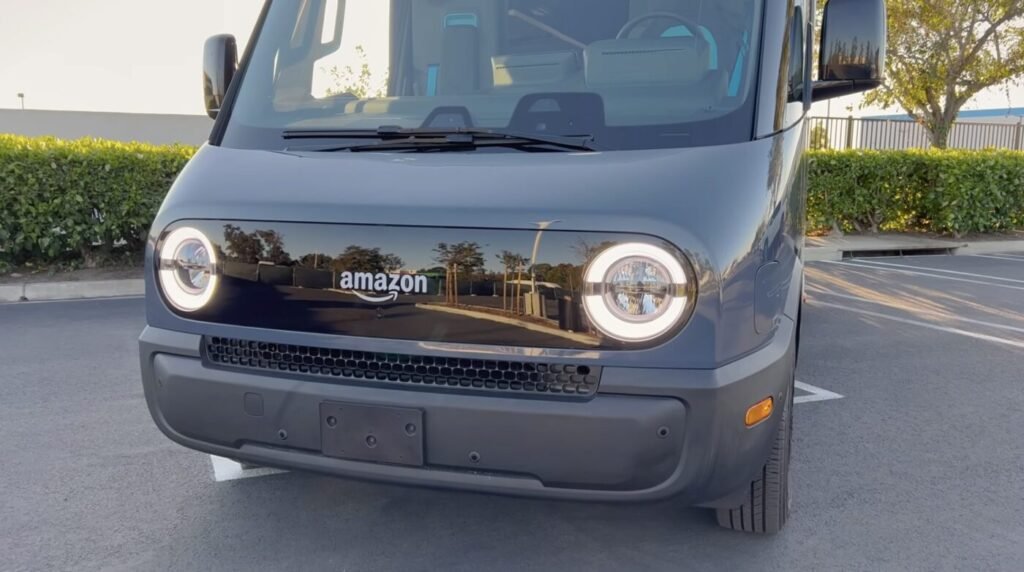
The changes are subtle, but they add up. You may begin to notice more branded delivery vans moving through neighborhoods, packages arriving at different times throughout the day, and tighter, more predictable delivery windows. At the same time, there is less reliance on traditional postal delivery for many e-commerce orders.
Local traffic patterns may shift slightly as well, especially near commercial corridors that host distribution or staging points. These changes are not always obvious on their own, but over time they begin to shape how movement through these areas feels.
There is also a longer-term implication. Just as malls have been redeveloped into mixed-use districts, logistics is evolving alongside them. Faster delivery is creating demand for a different kind of suburban space—smaller, more flexible, and positioned closer to residential communities. In some cases, properties that once held retail or office uses may gradually transition into logistics-supporting roles, even if they do not resemble traditional warehouses.
How Homes Are Adapting to Faster Deliveries
As deliveries become more frequent, many residents are making small, practical adjustments at home—less out of necessity and more out of convenience. Video doorbells, including widely used options like Ring or Blink, offer a simple way to keep track of packages in real time, while secure outdoor delivery boxes help prevent missed or exposed deliveries when no one is home. Some households are also turning to smart locks, allowing temporary access for more controlled drop-offs inside a garage or entryway.
Competition Is Driving the Change
This shift is not happening in isolation. Retail competition—particularly with Walmart and other large players—is pushing companies to move faster, reduce costs, and improve delivery reliability. Speed is no longer a premium feature; it is becoming the baseline expectation.
That pressure is accelerating investment in logistics infrastructure across the country, including in suburban regions like North Atlanta.
What It Means Going Forward
For now, most of these changes remain behind the scenes. Packages still arrive. The experience still feels familiar. But the system underneath is becoming more complex—and more local.
As companies bring inventory closer to customers and take greater control over delivery networks, suburban areas will continue to play a larger role in how e-commerce operates.
For North Atlanta, that likely means more activity tied to logistics, even as the region continues to grow through residential and mixed-use development.
The shift may not be as visible as a new shopping center or major redevelopment project. But over time, it could quietly reshape how goods move through the community—and how quickly they arrive at your door.
Community Voice
A snapshot of reader views, not a scientific survey.
Explore Community Voice →About the Author


In North Atlanta
Sugar Hill’s Next Chapter. Downtown Density, Greenway Connections, and the Highway 20 Transformation
From Jot Em Down to Shakerag: North Atlanta’s Most Curious Street Names

Marksman Hiring Event Offers Security Jobs Paying $17 to $20.50 Across Four Communities

Custom Closet Companies Serving Alpharetta, Cumming and Suwanee

Au and Thorne discuss lawsuit reform, jail spending and political compromise in Johns Creek
8 of the Best Mexican Restaurants in North Atlanta
IN NORTH ATLANTA