 Exclusive sponsor
Across Georgia, Voters Say Rising Costs Are Reshaping Daily Life — and Their Politics
Voters across Georgia are feeling financial pressure from rising costs in groceries, fuel, housing, and healthcare. These strains influence decisions and party loyalties as the state heads toward the 2026 elections.
Major local stories and useful updates, once a week.
From Gwinnett County apartment complexes to retirement communities in northeast Georgia, the rising cost of living is becoming more than a campaign talking point. For many Georgia voters heading into the 2026 elections, it is now the central issue shaping everyday decisions, household budgets, and in some cases, even party loyalty.
A new report by Georgia Recorder found voters across the state describing a growing sense of financial strain tied to higher grocery bills, gas prices, rent, healthcare costs, and housing affordability. The story, reported by Ross Williams, Maya Homan, and Alander Rocha, captured how inflation and fuel costs are filtering into nearly every aspect of life in Georgia.
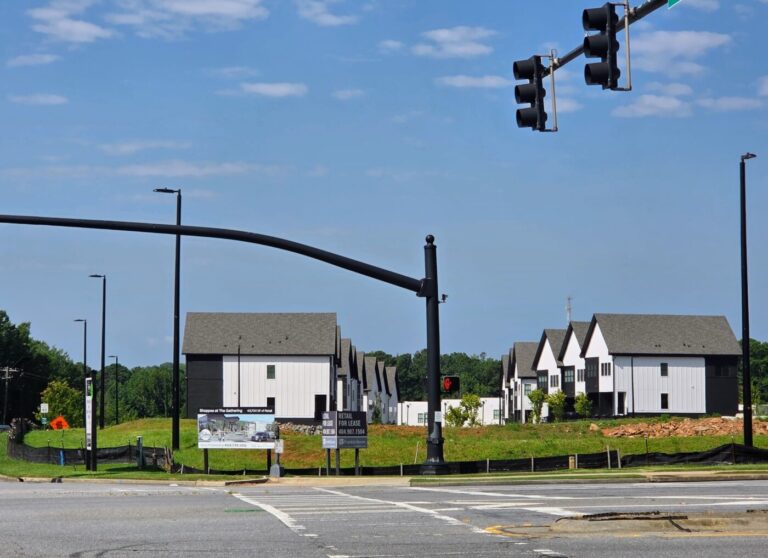
The pressures are also familiar across North Atlanta’s suburbs, where rapid growth in places like Johns Creek, Alpharetta, Cumming, and Suwanee has coincided with steadily rising housing costs and higher day-to-day expenses.
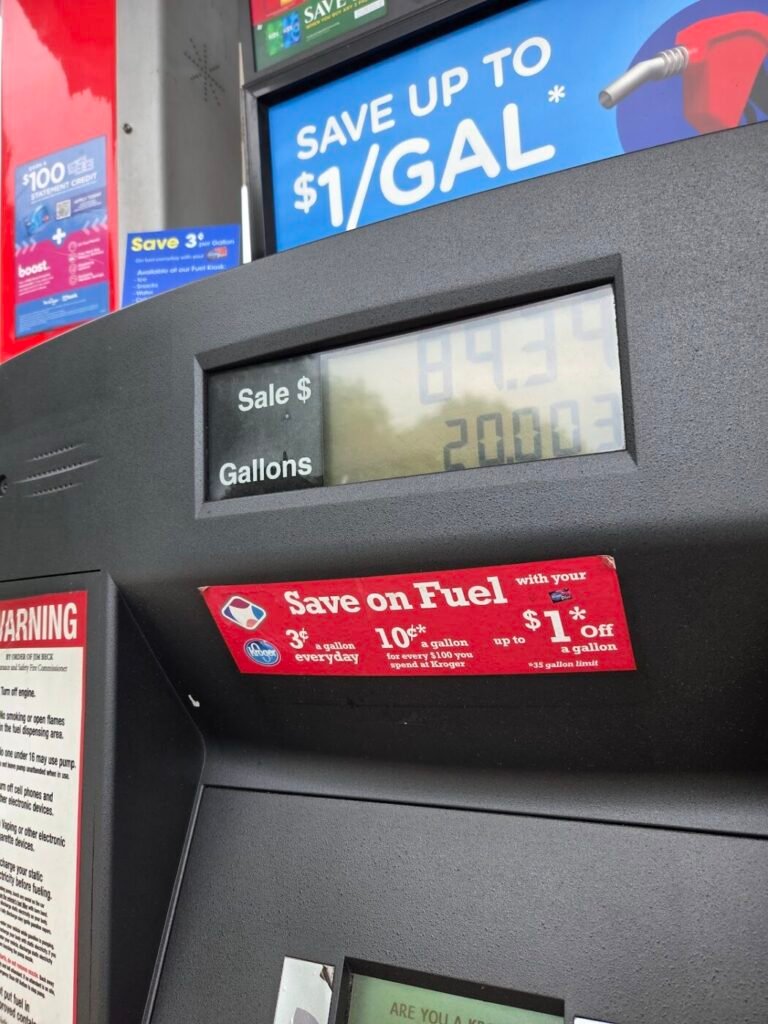
According to the Bureau of Labor Statistics data cited in the Georgia Recorder report, grocery prices rose 2.9% over the past year, while the broader Consumer Price Index has climbed nearly 30% since April 2020. Gas prices have also surged sharply in recent months, with Georgia drivers now paying significantly more at the pump than they did a year ago.
For suburban commuters in metro Atlanta, where long drives remain part of daily life, higher fuel costs often ripple quickly into household budgets. Families who routinely drive GA-400, Peachtree Parkway, or I-85 corridors for work, school, and activities can feel the impact almost immediately.
The Georgia Recorder story highlighted voters making difficult adjustments. Some reported cutting restaurant visits and travel. Others described delaying car purchases, scaling back grocery spending, or choosing cheaper foods over healthier options.
One recent college graduate from Gwinnett County told reporters he would need to bike to work because he could not yet afford a car after housing and food costs drained his savings.
The frustration appears to be crossing political lines.
Some Democratic voters interviewed connected rising prices to tariffs, international instability, and healthcare costs. Some Republican voters acknowledged the financial strain but argued that higher fuel prices may be temporary and tied to geopolitical tensions involving Iran and global oil markets.
The divide reflects a broader political reality developing nationally and in Georgia: affordability has become one of the few issues touching nearly every demographic group regardless of geography or party affiliation.
That conversation is increasingly visible in suburban Atlanta as well, especially in fast-growing communities where median home prices and insurance costs have climbed sharply over the past several years.
Even households with relatively stable incomes are expressing anxiety about future expenses. In the Recorder interviews, a retired Fulton County voter said she worried about the rising cost of home repairs and healthcare despite having savings.
Meanwhile, southwest Georgia advocates interviewed for the story described the burden falling even harder on already economically struggling communities where poverty rates remain high and wages lag behind inflation.
The political implications could be significant as Georgia heads deeper into election season.
Economic concerns have repeatedly ranked among the top issues for Georgia voters in recent polling. While debates over immigration, foreign policy, and cultural issues remain powerful motivators for many voters, affordability increasingly acts as the issue tying everything together at the kitchen-table level.
For many Georgians, the debate is no longer abstract. It is about whether groceries fit into the budget this week, whether commuting remains affordable next month, and whether middle-class stability still feels attainable in one of the nation’s fastest-growing states.
This story was adapted from reporting by Ross Williams, Maya Homan, and Alander Rocha for Georgia Recorder. The original reporting can be read here: Affordability is more than a political buzzword for many Georgia voters
If you’ve been following growth and change around here, these stories are worth a look too.
Community Voice
A snapshot of reader views, not a scientific survey.
Explore Community Voice →About the Author


In North Atlanta

What North Atlanta Should Know Today, Tuesday, Sept. 1, 2026

Rick Jackson’s Winning Map Runs Through North Georgia

Mike Collins Won the GOP Race. Now Comes the North Atlanta Test.

The Tech Diaspora and Suburban Political Realignment

The Quiet Tax War Between Sugar Hill, Suwanee, Buford and Cumming

Atlanta’s World Cup Hotel Boom May Not Arrive the Way Many Expected
IN NORTH ATLANTA