What Is Actually Disappearing From Grocery Shelves Across Georgia?
Georgia grocery shelves show occasional gaps driven by supply pressures in beef and orange juice along with recall-related removals. These shortages vary by store and are not broad statewide shortages.
Get major local stories and development updates.
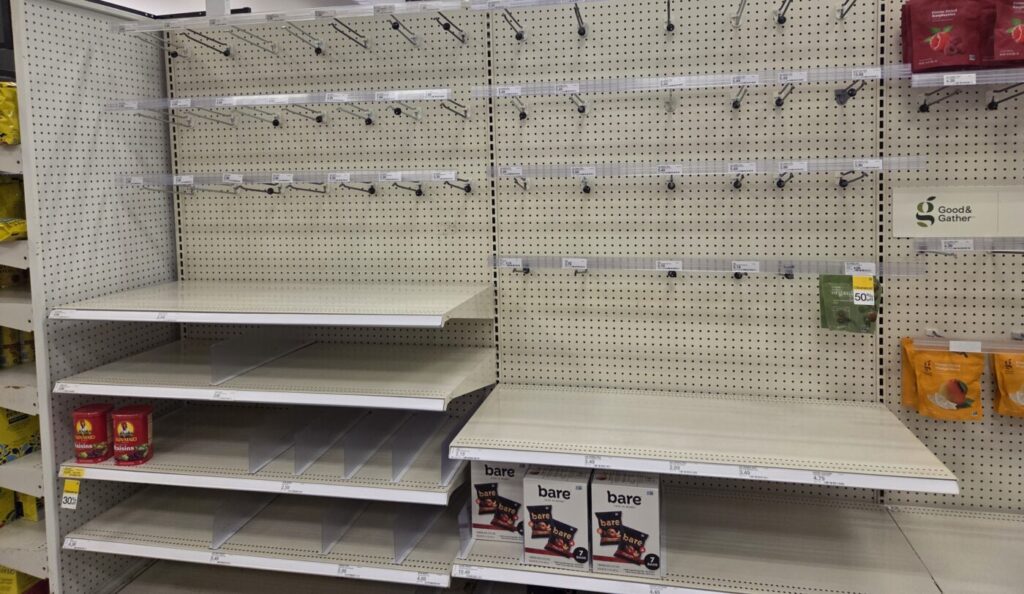
A nearly empty grocery shelf can suggest a shortage, but it does not always mean the product itself is scarce.
No reliable public database ranks the most frequently missing groceries in North Atlanta or Georgia. Availability can differ among stores only a few miles apart, depending on delivery schedules, promotions, recalls and how quickly employees restock the shelves.
Still, several categories are experiencing enough supply pressure to produce higher prices, fewer choices or occasional gaps at supermarkets across Georgia and the broader Sun Belt.
Beef
Beef is under the clearest long-term pressure. The nation entered 2026 with its smallest cattle inventory in roughly 75 years, following drought, high feed costs and years of herd reductions.
That does not mean meat departments are running out of beef. Shoppers are more likely to find fewer promotions, higher prices and limited availability of particular cuts. Ground beef, steaks and leaner cuts may disappear temporarily when stores offer an attractive sale.
Rebuilding the cattle population takes years because ranchers must retain breeding animals instead of sending them to market. That makes beef different from products whose supplies can recover within a growing season.
Orange juice
Orange juice remains vulnerable after years of citrus greening disease and hurricane damage in Florida. The state’s orange production fell to historically low levels during the 2024-25 season, continuing a decline that has forced juice companies to depend more heavily on fruit and concentrate from Brazil and other countries.
Most supermarkets still carry orange juice, but shoppers may encounter fewer varieties, smaller displays or missing frozen concentrate. Georgia is particularly exposed to disruptions because much of the region’s juice supply travels through Florida and other parts of the Southeast.
Specific products removed during recalls
The most sudden empty spaces often result from recalls rather than agricultural shortages.
When a manufacturer withdraws frozen fruit, prepared soup, bakery products or another widely distributed item, retailers may remove every affected package before a replacement shipment is available. The Georgia Department of Agriculture maintains a current list of food recalls affecting the state.
These gaps tend to be narrow. One brand or package size may disappear while comparable products remain available beside it.
Coffee and chocolate products
Coffee and chocolate are generally available, but difficult growing conditions and volatile global commodity markets have increased costs for manufacturers.
The more visible result can be reduced variety rather than completely empty shelves. Retailers may stock fewer premium chocolates, specialty coffee blends or less-popular package sizes when wholesale prices rise sharply. Shoppers may also see promotions become less frequent.
Eggs
Eggs produced some of the most noticeable grocery shortages during earlier outbreaks of highly pathogenic avian influenza. Supplies subsequently improved and prices fell from their peaks, but eggs remain capable of becoming scarce quickly when poultry farms must destroy infected flocks.
A new regional outbreak could leave stores short of particular sizes or brands even when eggs remain available elsewhere. For now, however, there is insufficient evidence to describe Georgia as experiencing another broad egg shortage.
Dried fruit, snacks and store-brand products
Large gaps involving dried fruit, snacks or store-brand groceries are frequently caused by ordinary retail operations. A delayed truck, a clearance sale, packaging changes or a shelf reset can leave an aisle looking unusually bare for a day or two.
The best indication of a genuine shortage is the same product being unavailable at several unrelated retailers for an extended period. One empty display, even a dramatic one, cannot establish a regional trend.
For North Atlanta shoppers, the practical distinction is important. Georgia is not facing a general food shortage. The pressure is concentrated in particular categories, especially beef and citrus products, while recalls and distribution delays create most of the abrupt holes appearing on individual store shelves.
About the Author


In North Atlanta
Why Honeycrisp Is the $5-a-Pound Apple in North Atlanta
Why Shaq Is Towering Over North Atlanta’s Cereal Aisles

From Gwinnett to Miami, Five Creators Turning Online Fame Into Millions

North Atlanta’s Homeownership Divide Spans 31 Percentage Points

ANDRITZ Is Hiring Engineers and Project Leaders in Alpharetta
20-Acre Buford Highway Tract Hits Market at $5.08 Million
IN NORTH ATLANTA