Why Honeycrisp Is the $5-a-Pound Apple in North Atlanta
Honeycrisp apples are pricier because they are difficult to grow and store. Their crisp texture and flavor make them popular among North Atlanta shoppers despite the premium cost.
Get major local stories and development updates.
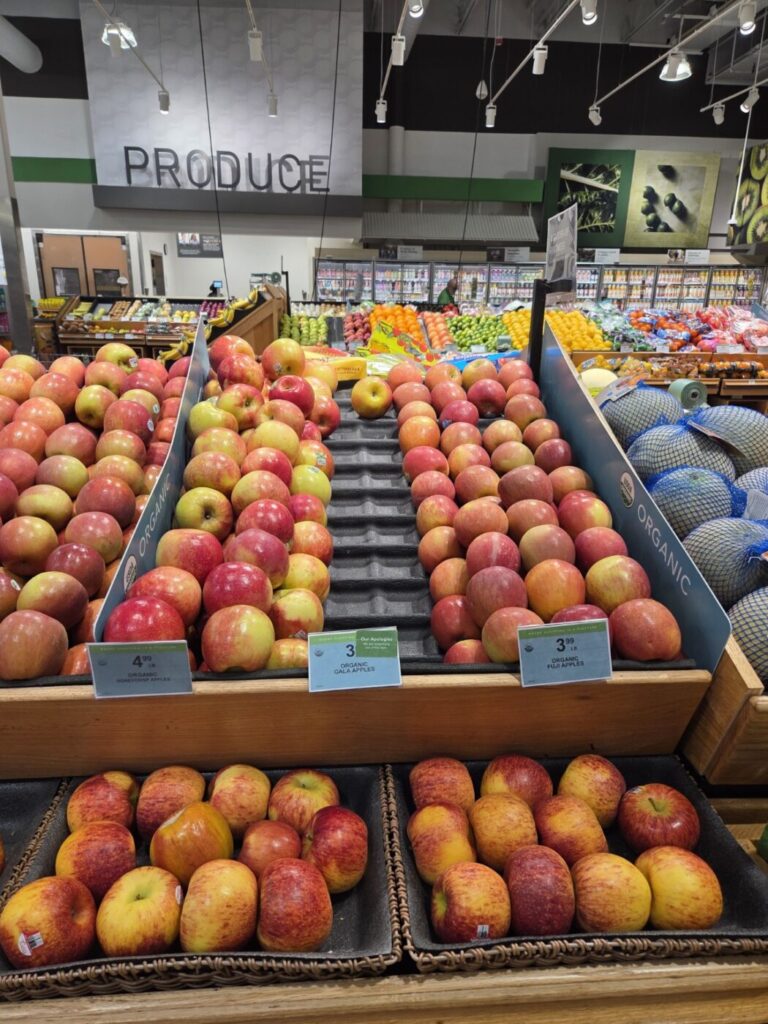
Honeycrisp apples have become one of the produce aisle’s familiar little splurges: crisp, juicy and usually priced above the Fuji, Gala and other apples beside them.
Why Honeycrisp costs more
The premium begins in the orchard. Honeycrisp delivers the snap and rush of juice that made it a national favorite, but it is a demanding apple to bring from a tree to a grocery shelf.
The variety came out of the University of Minnesota’s apple-breeding program and won over shoppers with its balance of sweetness and acidity. Its popularity is part of the price story. The rest is the work—and the risk—of growing it well.
Honeycrisp can develop bitter pit, soft scald and soggy breakdown, problems that can appear in the orchard or later in storage and leave otherwise handsome fruit unsellable. Penn State’s guidance on Honeycrisp storage disorders lays out just how narrow the margin can be.
That risk follows growers through harvest. A Honeycrisp orchard may need to be picked in several passes rather than all at once, with crews returning as fruit reaches the right maturity. Picking too early or too late can affect how well the apples hold up after harvest, as Penn State’s harvest research makes clear.
More passes through an orchard mean more labor. And every apple that develops a storage disorder is fruit that cannot be sold at full price.
Storage brings another layer of expense. Honeycrisp is sensitive to temperature and handling after harvest; conditions that suit other apples can leave Honeycrisp vulnerable to chilling injuries or other defects. Keeping the fruit crisp for months requires careful refrigeration and timing.
Weather matters, too. Cooler nights help the apple build the red color shoppers expect. In warmer growing conditions, producing a consistently attractive Honeycrisp becomes harder, a challenge noted in a recent University of Minnesota Extension update.
The crunch is the point
There is a reason growers and stores keep taking on that trouble. Honeycrisp has a texture few other apples quite match. Its larger cells break cleanly when bitten, releasing juice with the loud, fresh crunch that gave the variety its name and its following.
So the higher price is not simply a grocery-store decision. It reflects an apple with heavy demand, a more complicated harvest and a storage life that requires close attention from orchard to produce department.
For eating out of hand or packing into a lunch, many shoppers decide Honeycrisp is worth it. Fuji, Gala and other varieties can offer a less expensive sweet, crisp alternative. For pies, applesauce or any recipe that calls for several pounds, the choice of variety can make a real difference at checkout.
Honeycrisp remains unusual in one important way: shoppers know it by name, look for it and are willing to pay extra when it is in season.
If you’ve been following growth and change around here, these stories are worth a look too.
About the Author


In North Atlanta
ANDRITZ Is Hiring Engineers and Project Leaders in Alpharetta
20-Acre Buford Highway Tract Hits Market at $5.08 Million
Old Milton Parkway Widening Will Reshape Avalon Corridor Through 2029
5 Coffee Trucks and Mobile Cafés Worth Finding Around North Atlanta
Simple Man Distillery Hiring Ahead of Cumming City Center Opening
What North Atlanta Should Know Today
IN NORTH ATLANTA